Business
FTSE indexes suffer worst weekly decline in a year as Middle East tensions shake markets

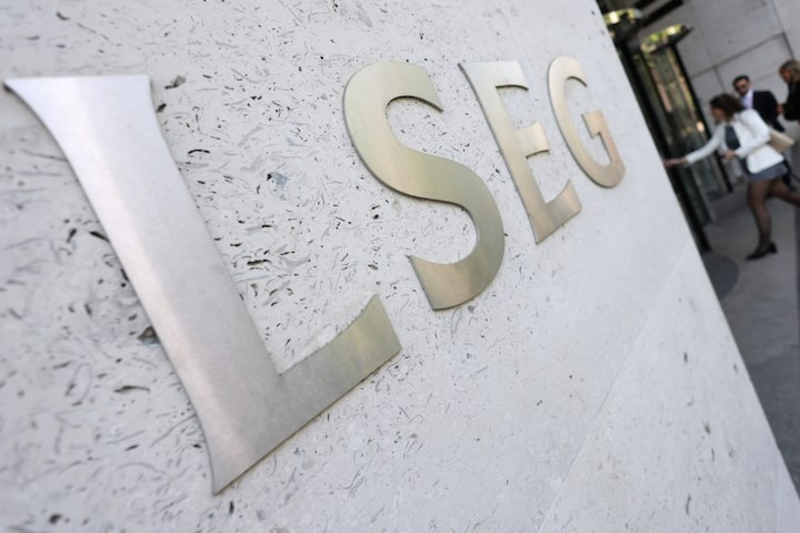
Britain’s major stock market indexes recorded their sharpest weekly losses in nearly a year on Friday as escalating conflict in the Middle East unsettled global investors and revived concerns about rising inflation. The FTSE 100 fell around 1.2 percent during the trading session while the mid cap focused FTSE 250 dropped about 0.8 percent. The downturn marks the worst weekly performance for both indexes since a major market selloff in April 2025. Investors across London’s financial markets reacted cautiously as geopolitical tensions increased pressure on energy prices and raised fears that the fragile global economic recovery could face renewed instability.
A major driver behind the market volatility was the sharp rise in oil prices triggered by the conflict in the Middle East. Brent crude surged above 90 dollars per barrel for the first time in two years after disruptions to shipping routes and energy exports passing through the Strait of Hormuz. The region remains one of the world’s most important energy corridors and any disruption there quickly affects global supply. Oil companies listed on the London Stock Exchange saw their shares move higher despite the broader market decline. Energy giants Shell and BP both recorded gains during the session as investors anticipated stronger revenues from rising crude prices.
The spike in energy prices has significantly altered expectations around monetary policy in the United Kingdom. Earlier in the year many investors expected the Bank of England to begin lowering interest rates as inflation appeared to be easing. However the recent surge in oil prices has complicated that outlook by raising the risk that inflation could accelerate again. Traders in financial markets have sharply reduced their expectations for an imminent rate cut. Money market data now suggests only a small probability that the central bank will reduce interest rates this month. Just weeks ago investors were widely anticipating a rate reduction as part of a gradual shift toward looser monetary policy.
Bond markets have also reflected growing anxiety about the economic impact of the geopolitical crisis. Yields on benchmark British government bonds rose sharply during the week marking the biggest increase in several years. Rising bond yields typically signal that investors expect higher inflation or tighter financial conditions in the future. Analysts say the United Kingdom may be particularly sensitive to energy price shocks because of its dependence on imported energy and the importance of fuel costs to household spending. Higher borrowing costs could also weigh on business investment and consumer confidence across the broader economy.
Additional economic data released during the week further complicated the outlook for financial markets. A report from the United States showed an unexpected drop in employment during February which intensified concerns about the health of the global economy. Because the United States remains the world’s largest economic engine any sign of weakness there tends to ripple through international markets including London. Investors are increasingly cautious about the possibility that slowing economic growth could coincide with rising energy prices creating a difficult environment for policymakers and financial markets.
Despite the broader market weakness some sectors and individual companies managed to perform well. Shares of Flutter Entertainment climbed more than two percent after activist investment firm Parvus Asset Management increased its stake in the company. The development drew attention from investors who often view activist involvement as a signal that strategic changes or corporate restructuring could follow. Meanwhile housing market data released during the week offered a more positive sign for the domestic economy. A report from Halifax showed that British house prices rose by 1.3 percent in February marking the fastest annual increase since late 2025 and exceeding economists’ expectations.
Economists warn that the outlook for financial markets will remain closely tied to geopolitical developments in the coming weeks. Continued tensions in the Middle East could keep oil prices elevated and maintain pressure on inflation expectations across Europe and the United Kingdom. Investors will also be watching closely for signals from the Bank of England about how policymakers intend to balance inflation risks with slowing global growth. For now market sentiment remains cautious as traders adjust to a rapidly shifting economic landscape shaped by conflict energy volatility and uncertain global growth.