News
Why Rachel Reeves Is Aiming for a Low Key Budget Update Next Week

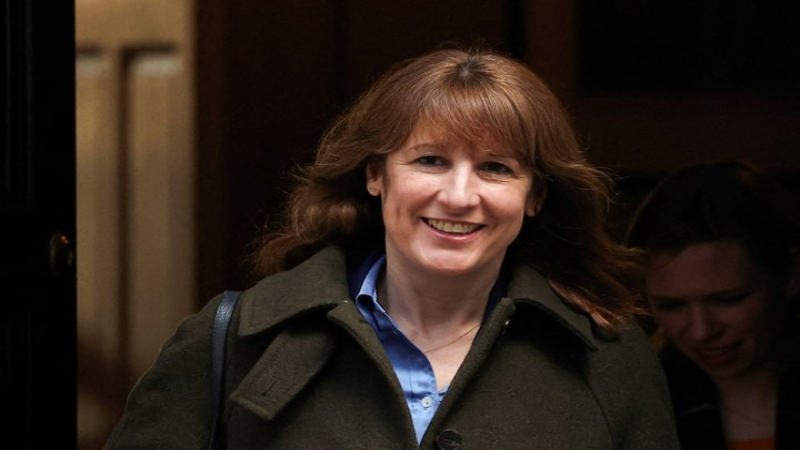
Chancellor Rachel Reeves is preparing to deliver her spring budget update on March 3, but unlike previous fiscal announcements, this time the message from the Treasury is clear. The government wants it to be calm, technical and free from dramatic surprises.
The update will focus on the latest economic projections from the Office for Budget Responsibility, whose forecasts underpin government tax and spending plans. The OBR is expected to revise its short term outlook for economic growth and inflation, as well as publish updated figures on public borrowing. However, it will not deliver a formal judgment on how much fiscal headroom Reeves has left within her self imposed rules.
In November, the OBR estimated that Reeves had nearly 22 billion pounds in headroom to meet her fiscal targets. While that margin was larger than previously thought, it remains slim by historical standards. Economists suggest that weaker growth, higher spending pressures or external shocks could quickly erode that cushion, potentially forcing difficult choices later.
Reeves has repeatedly said she wants to limit major tax and spending changes to one full budget each year, typically in the autumn. The aim is to provide stability and reduce speculation that can unsettle businesses and households. In the past year, intense debate about potential tax rises ahead of fiscal events has been blamed by some analysts for dampening consumer confidence and slowing investment.
By keeping this week’s statement focused on forecasts rather than policy shifts, the Chancellor hopes to reinforce an image of predictability. Treasury officials believe that a routine and measured update could help encourage firms to commit to long term projects and persuade households to spend rather than hold on to savings accumulated during recent years of economic uncertainty.
The political backdrop, however, adds complexity. Prime Minister Keir Starmer faces mounting pressure following low poll ratings and internal party tensions. Upcoming by elections and local contests will test Labour’s standing. Any sign of fiscal instability could intensify scrutiny of the government’s economic management.
Looking ahead, larger decisions may await in the autumn budget. Questions remain about funding higher defence spending, particularly if Britain moves toward allocating 3 percent of national output to the military. Additional pressures include reforms to special educational needs provision and the economic impact of falling net migration, which could affect growth projections.
For now, Reeves appears determined to project steadiness. By avoiding bold announcements and sticking closely to updated forecasts, the government hopes to calm markets and shift attention from short term political turbulence to longer term economic recovery.