Politics
UK Government Wins Right to Appeal High Court Ruling on Palestine Action Ban

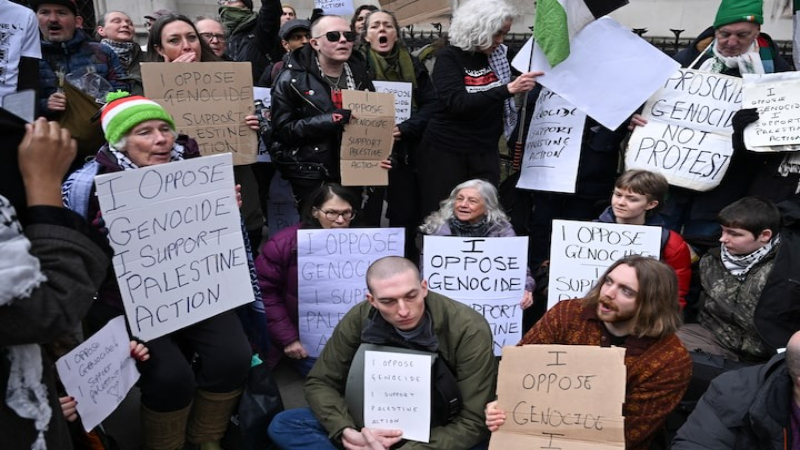
The British government has been granted permission to appeal a High Court decision that found its ban on the campaign group Palestine Action to be unlawful. The ruling allows the Home Office to challenge the earlier judgment while keeping the proscription in force until the appeal is heard.
Palestine Action was designated as a terrorist organisation in July after a series of direct action protests targeting Israel linked defence companies operating in Britain. The group has staged demonstrations that included blocking factory entrances and spraying red paint on buildings. The decision to ban the organisation followed a high profile incident in June at Royal Air Force Brize Norton, where activists broke into the base and damaged two aircraft. Prime Minister Keir Starmer described that action as disgraceful at the time.
Lawyers representing Huda Ammori, a co founder of Palestine Action, argued in court that the government’s move was an authoritarian restriction on the right to protest. They said the proscription amounted to a disproportionate interference with freedom of expression and assembly. Earlier this month, the High Court agreed, ruling that the ban was unlawful and did not strike the correct balance between national security concerns and civil liberties.
The latest development means the Home Office can now take the case to a higher court. Judges confirmed that the ban would remain in place pending the outcome of the appeal, maintaining the legal status of the organisation as proscribed for now. The Home Office welcomed the decision to grant permission to appeal, stating that it will always take the strongest possible action to protect national security and ensure public safety.
The initial High Court ruling had significant implications. It cast doubt over the prosecution of hundreds of individuals charged for displaying signs or expressing support for Palestine Action following its proscription. In response, the Metropolitan Police indicated it would focus on gathering evidence while awaiting further legal clarity rather than making immediate arrests linked to the group.
The case sits at the centre of a broader debate about how governments respond to disruptive protest movements and where the line should be drawn between activism and criminality. Supporters of the ban argue that attacks on defence infrastructure pose serious security risks and cannot be treated as ordinary protest. Critics maintain that expanding terrorism legislation to cover political campaign groups risks undermining democratic rights.
As the appeal process moves forward, the courts will be asked to reassess the legal tests applied in proscription decisions and whether the designation of Palestine Action met statutory requirements. The outcome is likely to have lasting consequences for protest law, counter terrorism powers and the scope of executive authority in the United Kingdom.