
Latest News
Fake Doctors Go Viral and Hospitals Step In

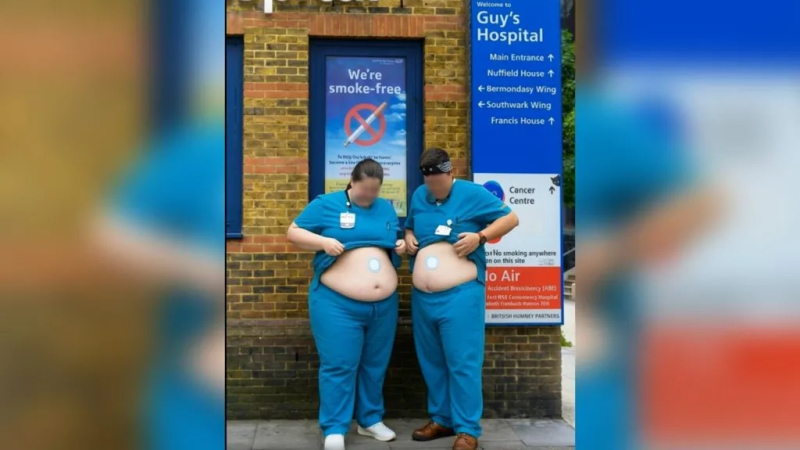
Scrolling through social media has become a strange mix of wellness advice, miracle fixes and increasingly polished medical endorsements, but a south London hospital says some of what users are seeing is not just misleading but completely fake. An alert was issued after videos began circulating online that appeared to show doctors linked to Guy’s and St Thomas’ NHS Foundation Trust promoting weight loss patches. The clips, shared widely on platforms such as Facebook and TikTok, showed people dressed as clinicians applying patches and claiming dramatic results over time. According to the trust, none of the individuals featured work at the hospital, and there is strong suspicion that the videos were generated using artificial intelligence, raising new concerns about how easily medical authority can be imitated online.
The videos followed a familiar format seen across social platforms, blending clean visuals, confident delivery and the implied credibility of hospital branding. Viewers were led to believe that NHS doctors were personally using and endorsing the products, a claim the trust has firmly denied. Hospital officials said the likenesses shown may not even belong to real clinicians and could be digitally created or lifted from other online sources. Faces were blurred in released images to avoid the risk of misidentifying genuine healthcare workers. While the promise of effortless weight loss is nothing new, the use of AI generated medical figures pushes the tactic into more troubling territory, especially at a time when public trust in health advice is already under pressure.
The hospital said it was particularly concerned about the potential impact on vulnerable people who may rely on social media for health guidance. With AI tools now capable of producing convincing video content at scale, distinguishing between legitimate advice and fabricated endorsements has become harder for the average user. Attempts to contact the company behind the products and a doctor named in connection with them have so far gone unanswered, adding to the uncertainty around who is responsible. The situation highlights how quickly false medical claims can spread before institutions have time to respond, often leaving damage control as the only option.
This episode reflects a broader shift in the online attention economy, where credibility is increasingly manufactured rather than earned. As AI generated content becomes cheaper and faster to produce, hospitals and regulators face the challenge of protecting public trust without chasing every viral clip. For users, the warning is simple but increasingly relevant: seeing a doctor on screen no longer guarantees that a doctor was ever involved. In a digital space where images can be generated as easily as text, skepticism may be the most important health habit of all.



