News
What Trump’s Foreign Policy Raises for the 2026 World Cup

As the United States prepares to co-host the 2026 World Cup alongside Canada and Mexico, questions about American foreign policy are spilling over into the world of sport, prompting debate about how global politics intersects with major sporting events. A group of cross-party lawmakers in another country has even called on soccer’s governing body to consider expelling the United States from the tournament unless it shows “clear compliance with international law and respect for the sovereignty of other nations,” after a controversial US military operation in Venezuela earlier this month.
At the heart of these concerns is the notion that a host nation’s political behaviour can influence the environment surrounding a “global” event that is meant to welcome fans and teams from all over the world. Critics worry that actions by the US government, ranging from aggressive foreign-policy moves to restrictive immigration measures, could shape how players, supporters and sponsors perceive the tournament and whether they feel welcome or safe to participate.
One practical issue already being discussed is travel and entry requirements for fans. US visa and immigration policies, including past travel bans targeting citizens from a number of countries, have raised concerns about how easy it will be for supporters and media personnel from around the world to attend matches in the United States. These policies are evolving and could affect who is able to travel in for the games.
Beyond the logistics of travel, some political leaders and activist groups have argued that staging the World Cup in a country whose leadership is perceived as flouting international norms could undermine the spirit of the event. Major sporting competitions like the World Cup are often held up as opportunities for nations to showcase hospitality and unity, and complaints about human rights or foreign policy behaviour can fuel calls for sports bodies such as FIFA to take positions or issue statements in response.
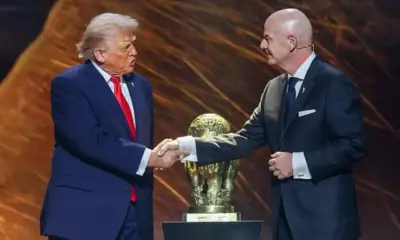
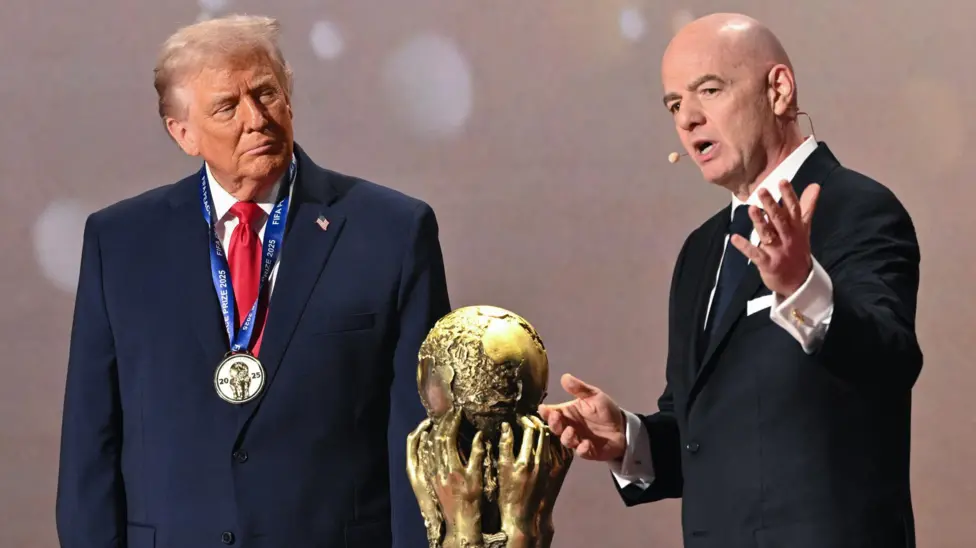
Even before the tournament begins, there have been examples of tension between political rhetoric and football governance. US political figures have been quoted making public statements about shifting matches or questioning the suitability of host cities, prompting FIFA officials to emphasise that decisions about locations and scheduling rest with the organisation, not any individual government.
How the World Cup ultimately unfolds will be shaped by a mix of sport, logistics and global perceptions. Organisers face the challenge of managing an event involving millions of travellers and fans while also being sensitive to political currents that may affect participation or public opinion. For many observers, this moment underscores how closely entangled politics and sport have become on events of global scale.