News
UK Confronts Iran Over Crackdown as London Signals Tougher Sanctions

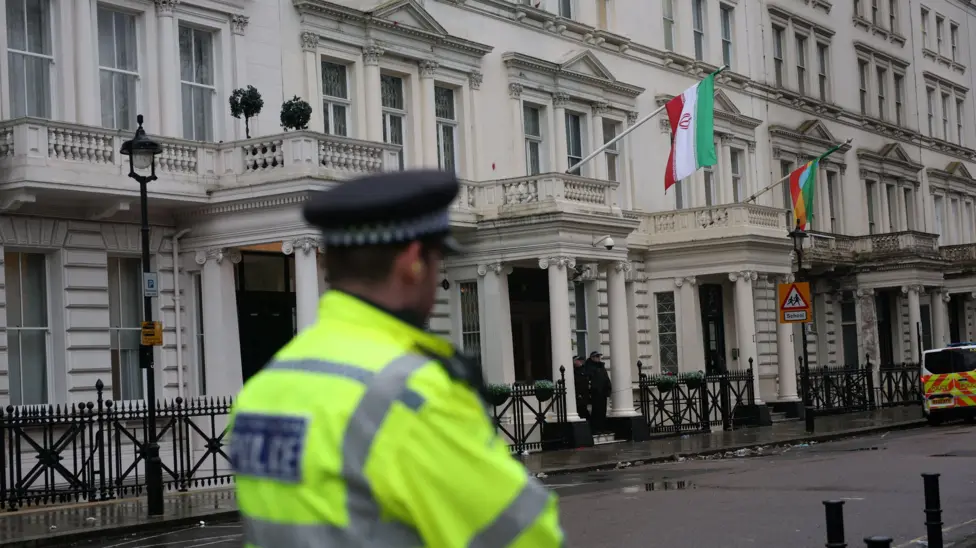
The UK government has summoned Iran’s ambassador to London following what it described as brutal killings and widespread repression during a crackdown on anti-government protests across Iran. British officials say thousands of people are feared dead or detained, as concern grows that the true scale of the violence may be far greater than figures released so far.
UK Foreign Secretary Yvette Cooper told Parliament that Britain viewed the situation in Iran with total abhorrence, condemning the killings, violence, and repression carried out against protesters. Speaking in the House of Commons on Tuesday, she warned that the reported death toll was likely to rise as more information emerges from inside the country, where communications have been severely restricted.
Cooper confirmed that Iran’s ambassador to the UK, Seyed Ali Mousavi, was summoned to the Foreign Office earlier in the day. The meeting, which officials said lasted just nine minutes, was used to formally convey the UK’s condemnation and demand accountability for the actions of Iranian authorities. The unusually brief duration of the meeting was seen by diplomats as a deliberate signal of London’s anger.
The protests in Iran have been driven by a mix of economic hardship, political repression, and long-standing public frustration. Demonstrations have spread across multiple cities, with security forces responding using lethal force, mass arrests, and sweeping restrictions on internet access. Human rights groups say the scale of the crackdown is among the most severe seen in recent years.
In response, Cooper said the UK would move to implement full and further sanctions against Iran. These measures are expected to target key sectors including finance, energy, transport, software, and other industries linked to the state’s ability to sustain repression. However, the Foreign Office has not yet set out specific details on what form the new sanctions will take or when they will be formally introduced.
British officials indicated that the sanctions would build on existing measures rather than replace them, aiming to increase economic and political pressure on Tehran. Cooper stressed that the UK would not act alone, saying the government would work closely with the European Union and other international partners to explore additional steps in response to developments on the ground.
The decision to escalate pressure comes amid growing international concern over Iran’s handling of the protests. Western governments have accused Tehran of attempting to hide the true extent of casualties by limiting media access and cutting communications. Iranian authorities, meanwhile, have blamed foreign interference for the unrest and defended their actions as necessary to maintain order.
The UK has a long history of strained relations with Iran, marked by disputes over nuclear negotiations, regional security, and human rights. Analysts say the latest crisis risks pushing ties to a new low, particularly if sanctions are expanded and coordinated across Europe.
Critics of sanctions argue that broad economic measures often hit ordinary citizens hardest, while supporters say targeted restrictions remain one of the few tools available to respond to severe human rights abuses short of military action. Cooper sought to address this tension by emphasizing that the UK’s focus would be on sectors and entities linked directly to repression.
As protests continue and reports of deaths and detentions mount, pressure is growing on Western governments to translate condemnation into concrete action. For London, the summoning of Iran’s ambassador and the promise of tougher sanctions mark a clear shift toward a more confrontational stance, as it seeks to signal solidarity with protesters and push for accountability on the international stage.