News
Trump to Meet Venezuelan Opposition Leader as Caracas Frees More Prisoners

The White House has announced that Venezuelan opposition figure María Corina Machado will meet with US President Donald Trump this week, even as the government in Caracas continues to release more political prisoners amid growing international pressure. The development comes during a period of major political upheaval in Venezuela and renewed diplomatic engagement between Washington and leaders in the South American country.
US officials said Machado, a Nobel Peace Prize laureate and long-time critic of the former Maduro government, will visit the White House on Thursday for discussions with Trump and senior US diplomats. The meeting underscores Washington’s continued involvement in Venezuela’s political transition and its efforts to influence the pace of reform and prisoner releases.
The announcement follows reports from Venezuelan authorities that 116 prisoners have been freed in recent days. The releases, which the government says include people jailed under the previous administration, have been presented as part of a willingness to cooperate with the United States and ease tensions. However, rights groups and local advocacy organisations say the number of people actually freed and confirmed remains significantly lower than official figures, with many families still awaiting news of loved ones detained under unclear circumstances.
Venezuela has been in political flux since a US-led operation on January 3 resulted in the capture of former President Nicolás Maduro. In the aftermath, interim leader Delcy Rodríguez assumed control of the government, a choice that surprised many observers who had expected broader backing for the opposition. Rodríguez has been navigating pressure from Washington to release political prisoners and open the door for broader democratic reforms.
Machado, a veteran opposition leader who won the Nobel Peace Prize in 2025, has been a polarising figure. She was barred from running in the disputed 2024 presidential election but remains influential among many Venezuelans who oppose the old guard and seek genuine democratic transition. Her upcoming meeting with Trump is being watched closely by political analysts as a signal of how US policy toward Venezuela is evolving and whether Washington will press for concrete reforms beyond symbolic gestures.
Analysts say that the prisoner releases and the high-profile meeting could be part of a broader strategy by all sides to stabilise Venezuela’s political landscape and unlock economic opportunities, especially in the oil sector. Venezuela holds some of the world’s largest oil reserves, and control over energy resources has been central to recent diplomatic and strategic calculations in Washington. However, deep divisions remain within Venezuela’s political class and civil society, and critics argue that partial releases do not address structural issues such as judicial transparency, political rights, and the status of prisoners still held without clear charges.
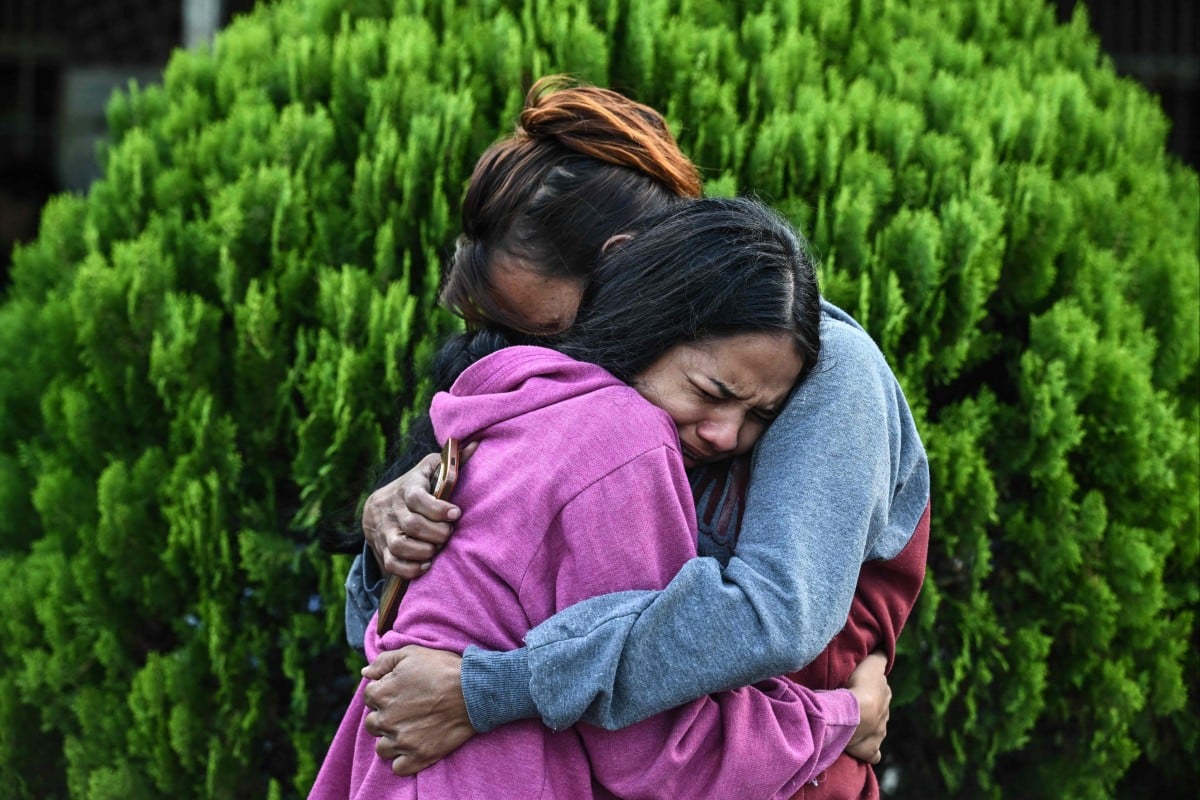
For families of detainees, the slow pace of releases has been agonising. Many have gathered outside prisons, camping in hopes of seeing loved ones freed. Human rights organisations and international observers continue to call for the unconditional release of all political prisoners and the establishment of credible legal guarantees for their safety.
As Machado prepares to travel to Washington, expectations are mixed. Some see the meeting as an important milestone in pushing for democratic reforms and accountability. Others caution that political symbolism must be matched with substantive action to build trust among Venezuelans who have lived through years of political instability, economic hardship, and repression.