News
Honduras Electoral Body Rejects Recount Order and Upholds Asfura’s Election Win

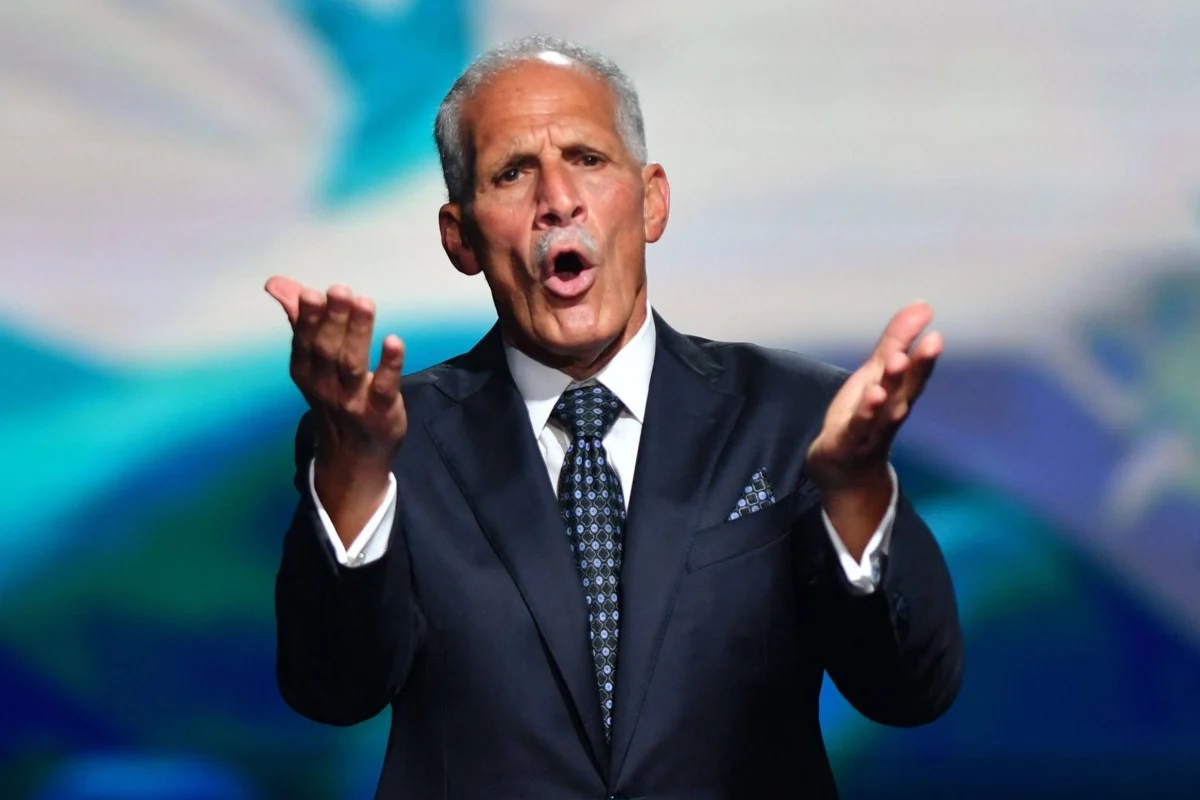
Honduras’s electoral authorities have rejected an order from the outgoing president to recount November’s presidential election, calling the decree illegal and unconstitutional. The decision confirms conservative businessman Nasry Asfura as the country’s president-elect, despite continued protests from the departing administration and lingering claims of irregularities in the vote.
The National Electoral Council said on Monday that it lacked the legal basis to carry out a full recount after results had already been certified. Officials stressed that the electoral process followed constitutional procedures and that reopening the count under executive pressure would undermine the independence of the country’s democratic institutions. With this ruling, the council reaffirmed Asfura’s victory, which was formally declared on December 24.
Asfura, who received backing from former US president Donald Trump, emerged as the winner after a closely fought contest marked by delays in reporting results and accusations of fraud from rival camps. The prolonged counting process fueled public tension and uncertainty, with opposition supporters staging demonstrations and demanding greater transparency.
The outgoing president had issued a decree calling for a recount, arguing that allegations of voting irregularities justified a fresh review of ballots. Electoral officials, however, rejected that argument, saying disputes should be handled through established legal challenges rather than executive orders. They emphasized that only the courts, not the presidency, have the authority to overturn certified results.
Honduras has a history of politically charged elections, and trust in institutions remains fragile. Observers say the latest dispute reflects deeper polarization in the country, where elections are often followed by accusations of manipulation regardless of the outcome. While international observers monitored the November vote, their assessments have been mixed, acknowledging logistical problems but stopping short of declaring the election invalid.
Asfura is a well-known figure in Honduran politics, having previously served as mayor of the capital Tegucigalpa. He campaigned on promises of economic stability, private-sector growth, and tougher measures against crime, an issue that remains central for many Hondurans. His association with Trump-era politics in the United States has drawn both support and criticism, particularly among voters concerned about foreign influence.
The electoral council’s decision is likely to heighten tensions in the short term, as supporters of the outgoing president accuse authorities of siding with the opposition. At the same time, business groups and regional partners have urged all sides to respect the ruling and avoid further instability. Honduras faces persistent challenges, including poverty, gang violence, and migration pressures, issues that could worsen if the political crisis drags on.
Legal experts note that while recounts can be an important tool in disputed elections, they must be conducted within constitutional limits. In this case, they argue, the executive branch overstepped by attempting to impose a recount after the official certification process had concluded. Upholding the rule of law, they say, is essential to preserving democratic norms, even when outcomes are contested.
With the recount order dismissed, attention now turns to the transition of power. Asfura is expected to take office amid a divided political landscape and heightened public scrutiny. Whether his administration can move beyond the controversy and restore confidence in governance will shape Honduras’s political trajectory in the months ahead.