News
Germany’s Merz Suggests Iran’s Leadership Could Be Near Collapse Amid Protests

German Chancellor Friedrich Merz has said Iran’s current leadership may be approaching its final phase, as widespread protests continue to challenge the authority of the Islamic Republic. His remarks add to growing international scrutiny of Tehran’s response to unrest driven by economic hardship, political repression, and public frustration with the ruling system.
Speaking on Tuesday during an official visit to Bengaluru in India, Merz argued that regimes dependent solely on force to maintain control are inherently unstable. He said that when a government relies on violence as its primary tool of survival, it signals a loss of legitimacy that is difficult to reverse. According to Merz, Iran may now be entering the final days or weeks of its current political order.
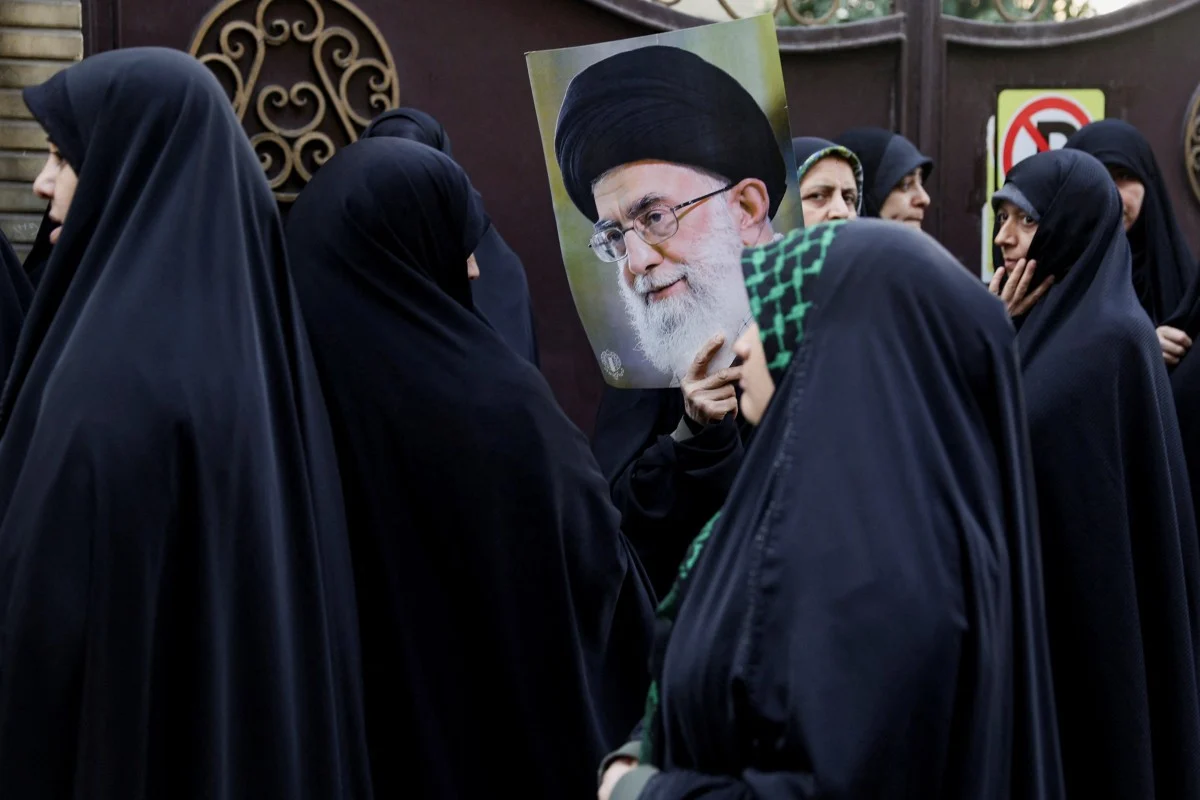
Iran has been rocked by recurring waves of protests, with demonstrators expressing anger over inflation, unemployment, corruption, and limits on political and social freedoms. Security forces have responded with force, leading to reports of hundreds, possibly thousands, of deaths and mass arrests. While the Iranian government insists it has restored order, the persistence of unrest suggests deep-rooted discontent that has yet to be resolved.
Merz’s comments reflect a broader debate among Western leaders about how to interpret the scale and durability of Iran’s protests. Some analysts believe the current movement represents the most serious challenge to the regime in decades, while others caution that Iran’s leadership has weathered similar crises before. Still, the tone of Merz’s remarks was notably blunt, indicating a belief that the situation may have reached a tipping point.
Germany has long supported diplomatic engagement with Iran, particularly through nuclear negotiations and economic dialogue. However, Berlin has also been vocal in criticizing Tehran’s human rights record. Merz’s statement suggests a harder political assessment, even if Germany remains cautious about openly calling for regime change. German officials continue to stress that Iran’s future must be decided by its own people.
The comments come as Iran faces growing international isolation. Sanctions remain in place, the economy is under severe strain, and relations with Western countries are tense. At the same time, Iran has sought to deepen ties with non-Western partners, including Russia and China, in an effort to offset pressure from Europe and the United States.
Observers note that predicting the collapse of entrenched regimes is fraught with uncertainty. Iran’s leadership still controls powerful security institutions and has shown a willingness to use them decisively. However, prolonged unrest carries risks of internal fractures, elite defections, or economic breakdown, all of which could weaken the state’s grip over time.
Merz’s remarks were made on the sidelines of his Asia visit, which has focused on strengthening ties with India and discussing global security challenges. His choice to comment publicly on Iran during the trip highlights how developments in the Middle East are increasingly seen as part of a wider global stability picture.
For protesters inside Iran, international statements offer moral support but limited practical relief. Many activists argue that sustained pressure, rather than isolated remarks, is needed to influence Tehran’s behavior. Whether Iran’s leadership is truly nearing its end remains uncertain, but Merz’s comments underscore a growing belief among some Western leaders that the country is entering a critical and potentially transformative period.