News
Greenland Rejects US Takeover Talk and Calls for Nato-Led Defence of the Arctic

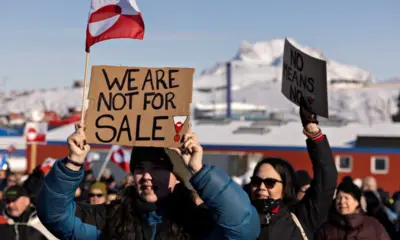
Greenland’s government has firmly rejected any suggestion that the island could come under United States control, saying its security should instead be guaranteed through Nato cooperation. The statement comes amid renewed remarks from US President Donald Trump about taking over the Arctic territory, comments that have unsettled officials in Greenland and Denmark and drawn attention to rising geopolitical tensions in the region.
Speaking on Monday, Greenlandic leaders said they would step up efforts to ensure the island’s defence is handled within the framework of NATO. They stressed that Greenland’s security concerns are best addressed through multilateral cooperation with allies, rather than unilateral action by any single country. The government reiterated that Greenland is not for sale and that decisions about its future rest with its people.
Greenland is an autonomous territory within the Kingdom of Denmark, which remains responsible for defence and foreign policy. While the island governs most of its internal affairs, Copenhagen continues to represent it internationally. Danish officials have consistently backed Greenland’s position, rejecting Trump’s repeated assertions that the United States could acquire the territory through purchase or other means.
Trump’s comments have revived memories of similar remarks during his previous presidency, when he first floated the idea of buying Greenland. At the time, the proposal was dismissed by Danish and Greenlandic leaders as absurd. His recent suggestion that the United States would take Greenland “one way or the other” has prompted sharper responses, with officials warning that such language undermines trust among allies.
Greenland’s strategic importance has increased significantly in recent years. Located between North America and Europe, the island occupies a key position in the Arctic, a region gaining prominence due to climate change, new shipping routes, and competition over natural resources. Greenland is believed to hold substantial deposits of rare earth minerals, which are critical for advanced technologies and defence industries.
The United States already maintains a military presence on the island through Pituffik Space Base, formerly known as Thule Air Base. Greenlandic officials acknowledge the importance of cooperation with Washington on security matters, but they draw a clear line between partnership and sovereignty. They argue that existing defence arrangements within Nato already provide a framework for US involvement without infringing on Greenland’s autonomy.
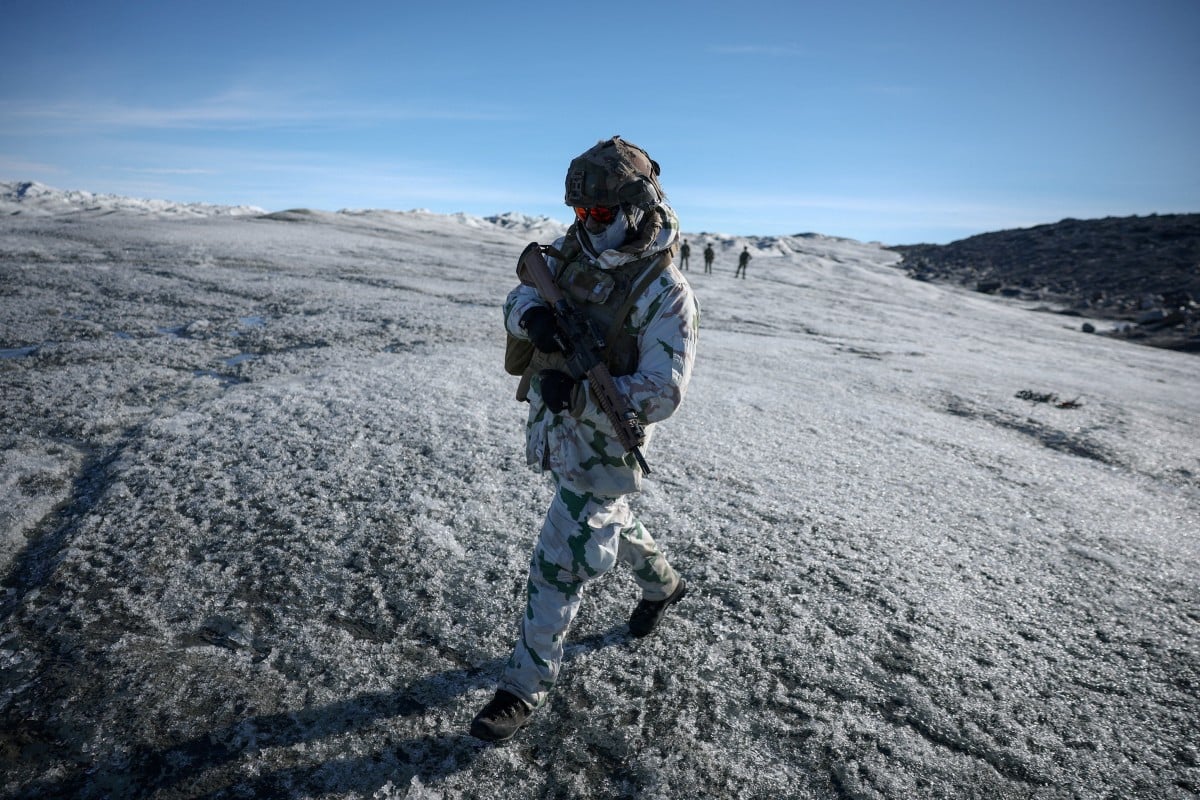
Calls for Nato-led defence also reflect broader concerns about stability in the Arctic. As melting ice opens new maritime routes, both Russia and China have expanded their presence and interests in the region. Greenlandic leaders say a collective Nato approach helps deter aggression while preventing the Arctic from becoming an arena for unilateral power grabs.
Public opinion in Greenland strongly favors self-determination. While some political groups support eventual independence from Denmark, there is little support for becoming part of another country. Many residents emphasize the need to protect Greenland’s culture, environment, and control over resource development, especially as external interest intensifies.
By reaffirming its commitment to Nato and rejecting takeover rhetoric, Greenland’s government is sending a clear message. It wants security built on alliances and international law, not pressure from powerful states. As Arctic competition grows, Greenland’s leaders are seeking to assert their voice and ensure the island’s future is shaped through cooperation rather than coercion