Tech
What a New Law and a Regulatory Investigation Could Mean for Grok AI Deepfakes

Artificial intelligence has reached a point where seeing is no longer believing. That reality has been brought sharply into focus by growing controversy surrounding Grok, an AI image generation tool owned by Elon Musk. The tool’s ability to generate highly realistic images has sparked outrage after it was used to create sexualised and non consensual images of real people, including women and, in some cases, children. As the UK prepares to enforce tougher laws on intimate image abuse, and regulators step in, Grok has become a test case for how societies respond when AI crosses a line.
When deepfakes become personal harm
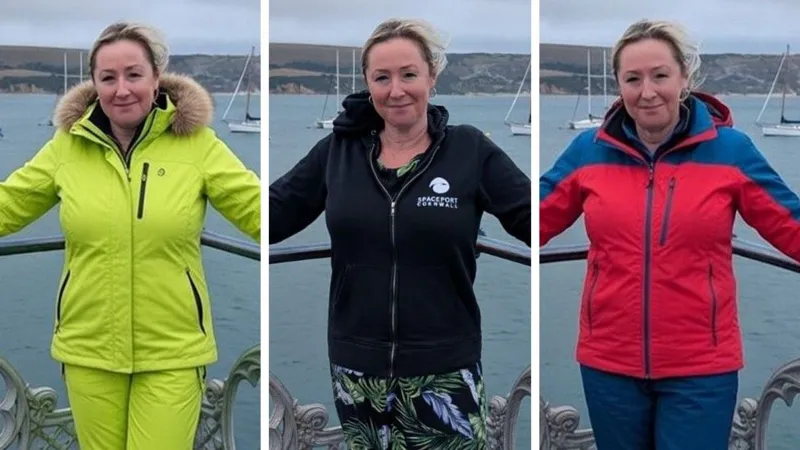
The most unsettling aspect of the Grok controversy is not the technology itself, but how easily it can distort reality. Images generated by the tool can convincingly depict people wearing clothing they never owned, in places they have never been, or in states of undress they never consented to. Once such images exist, disproving them becomes extremely difficult.
For victims, the burden of proof often falls unfairly on them. In a digital environment flooded with manipulated content, asserting that an image is fake may not be enough. The harm lies not just in public exposure, but in the loss of control over one’s own identity.
Grok and the erosion of consent
Grok has faced criticism for what many describe as “undressing rather than redressing” women. Users have been able to prompt the tool to generate images of real individuals in bikinis or explicit poses and then share them publicly on the social media platform X. The issue is not limited to adults. Evidence suggesting the generation of sexualised images of children has intensified calls for immediate intervention.
Consent, a fundamental principle in both law and ethics, becomes blurred when AI can fabricate images without any interaction from the subject. Critics argue that tools like Grok shift the balance of power decisively away from individuals and toward anonymous users who face little accountability.
The UK’s legal response takes shape
In response to widespread condemnation, the UK government is moving to bring new legislation into force that will make the creation of non consensual intimate images illegal, regardless of whether the images are real or AI generated. This represents a significant shift in how the law approaches digital harm, focusing on impact rather than technical origin.
At the same time, Ofcom has launched an urgent investigation into whether Grok has breached British online safety laws. The regulator’s involvement signals that responsibility may extend beyond individual users to the platforms and companies that supply such tools.
What Ofcom’s investigation could mean
Ofcom’s investigation is likely to examine whether Grok had adequate safeguards in place to prevent misuse and whether it responded appropriately once harmful content emerged. If breaches are found, consequences could range from fines to restrictions on how the tool operates in the UK.
More broadly, the case could set a precedent. If regulators determine that AI developers and platforms are accountable for foreseeable misuse of their systems, the entire generative AI sector may be forced to rethink design choices, moderation standards and default capabilities.
Free speech versus protection from abuse
Supporters of Grok and similar tools often frame regulation as a threat to free expression. However, critics counter that freedom of speech does not extend to creating non consensual sexual imagery. The debate highlights a growing tension between innovation driven by minimal constraints and the need to protect individuals from harm amplified by technology.
Governments are increasingly unwilling to accept arguments that platforms are neutral intermediaries. As AI tools become more powerful, the expectation that developers anticipate misuse is becoming a regulatory norm rather than an exception.
A turning point for AI governance
The Grok controversy arrives at a moment when lawmakers, regulators and the public are reassessing the social costs of rapid AI deployment. The combination of new UK laws and Ofcom’s investigation suggests a shift from reactive outrage to structured enforcement.
Whether Grok adapts its technology or faces tighter restrictions, the message is clear. AI systems that can fabricate intimate realities without consent are no longer operating in a legal grey area. The outcome of this case is likely to shape not only Grok’s future, but also how generative AI is governed across democratic societies.