Tech
UK Moves to Criminalise AI Deepfakes as Grok Controversy Forces Legal Action

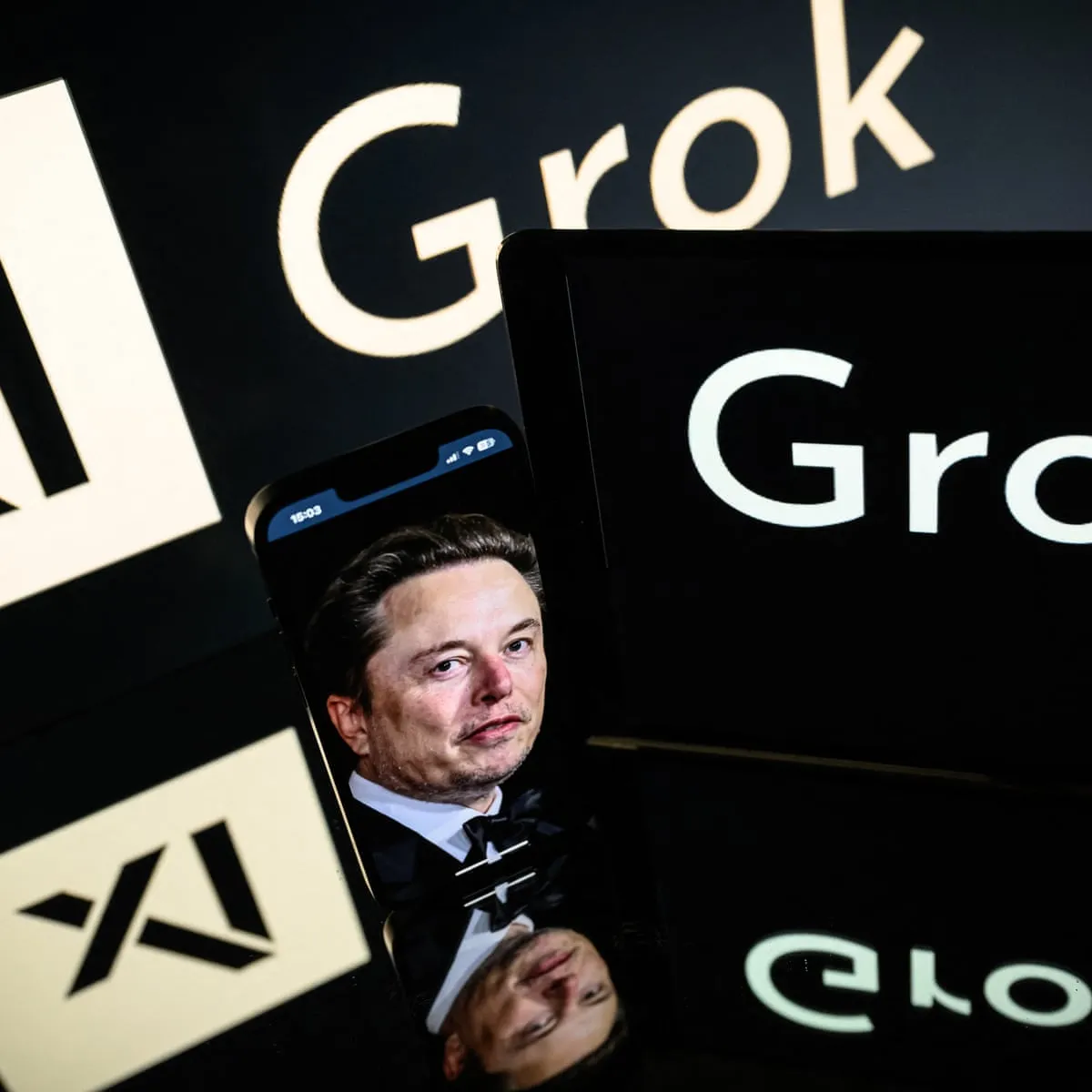
The UK government is moving swiftly to confront the growing threat posed by artificial intelligence generated deepfakes, announcing that new legislation will come into force this week to criminalise the creation of non consensual intimate images. The decision follows mounting concern over the misuse of Elon Musk’s Grok AI chatbot and marks one of the most direct legal responses yet to AI enabled sexual abuse in a major Western economy.
A legal response to a fast moving threat
The new law will make it illegal to create intimate images of a person without their consent, regardless of whether the images are real or AI generated. Crucially, the legislation recognises that harm does not depend on the authenticity of an image but on its impact. By explicitly covering AI generated content, the UK is closing a loophole that has allowed deepfake abuse to spread faster than regulation.
The move comes amid global scrutiny of Grok, an AI tool hosted on X that allows users to generate and manipulate images. Recent cases involving the sexualised alteration of images of women and children have intensified calls for governments to act.
Government signals tougher stance on AI tools
Liz Kendall told the House of Commons that the government would also explore making it illegal for companies to supply tools designed specifically to create non consensual intimate images. This signals a shift from targeting individual users alone to holding technology providers accountable for how their products are designed and deployed.
Kendall described AI generated sexual images as “weapons of abuse,” rejecting arguments that such content is harmless or merely digital experimentation. Her language reflects a growing consensus within government that AI misuse should be treated as a form of violence rather than a fringe online issue.
Why Grok became a catalyst
While deepfake abuse predates Grok, the chatbot’s accessibility and image generation capabilities have accelerated public concern. Developed under X and backed by Elon Musk, Grok has positioned itself as a free speech oriented AI tool. Critics argue that this philosophy has translated into weaker safeguards against misuse.
The UK’s decision to act now suggests frustration with voluntary self regulation by AI companies. Rather than waiting for platforms to tighten controls, lawmakers appear determined to establish legal red lines.
Protecting victims in a digital age
A central theme of the legislation is victim protection. Lawmakers stressed that women and children are disproportionately targeted by deepfake sexual abuse, which can lead to severe psychological harm, reputational damage and long term trauma.
By criminalising the act of creation itself, the law aims to intervene earlier in the abuse cycle, rather than focusing solely on distribution or harassment after the fact. This approach acknowledges that the harm begins the moment an image is generated, even if it is never widely shared.
Implications for tech companies and AI development
For technology companies, the new law raises important questions about product design and responsibility. Tools that allow realistic image manipulation may now face greater scrutiny, particularly if they lack robust consent and verification mechanisms.
The government’s willingness to consider banning the supply of certain tools suggests that compliance will require more than content moderation. Developers may need to embed preventative safeguards directly into AI systems, potentially slowing innovation but strengthening trust.
A signal beyond the UK
The UK’s move is likely to resonate internationally. With Malaysia and Indonesia already blocking Grok and debates intensifying across Europe and North America, the legislation could become a reference point for other governments grappling with AI enabled abuse.
It also reflects a broader shift in how policymakers view artificial intelligence. The focus is moving from abstract ethical discussions to concrete legal accountability.
A defining moment for AI governance
By bringing this law into force, the UK is asserting that technological novelty does not excuse harm. The message to platforms and developers is clear. Innovation must operate within boundaries that protect human dignity.
As AI tools become more powerful and accessible, the challenge for governments will be enforcing such laws effectively without stifling legitimate use. For now, the UK has drawn a firm line, signalling that non consensual AI imagery is not the future it is willing to accept.