News
Hungary Grants Asylum to Polish Ex Justice Minister Facing Embezzlement Charges

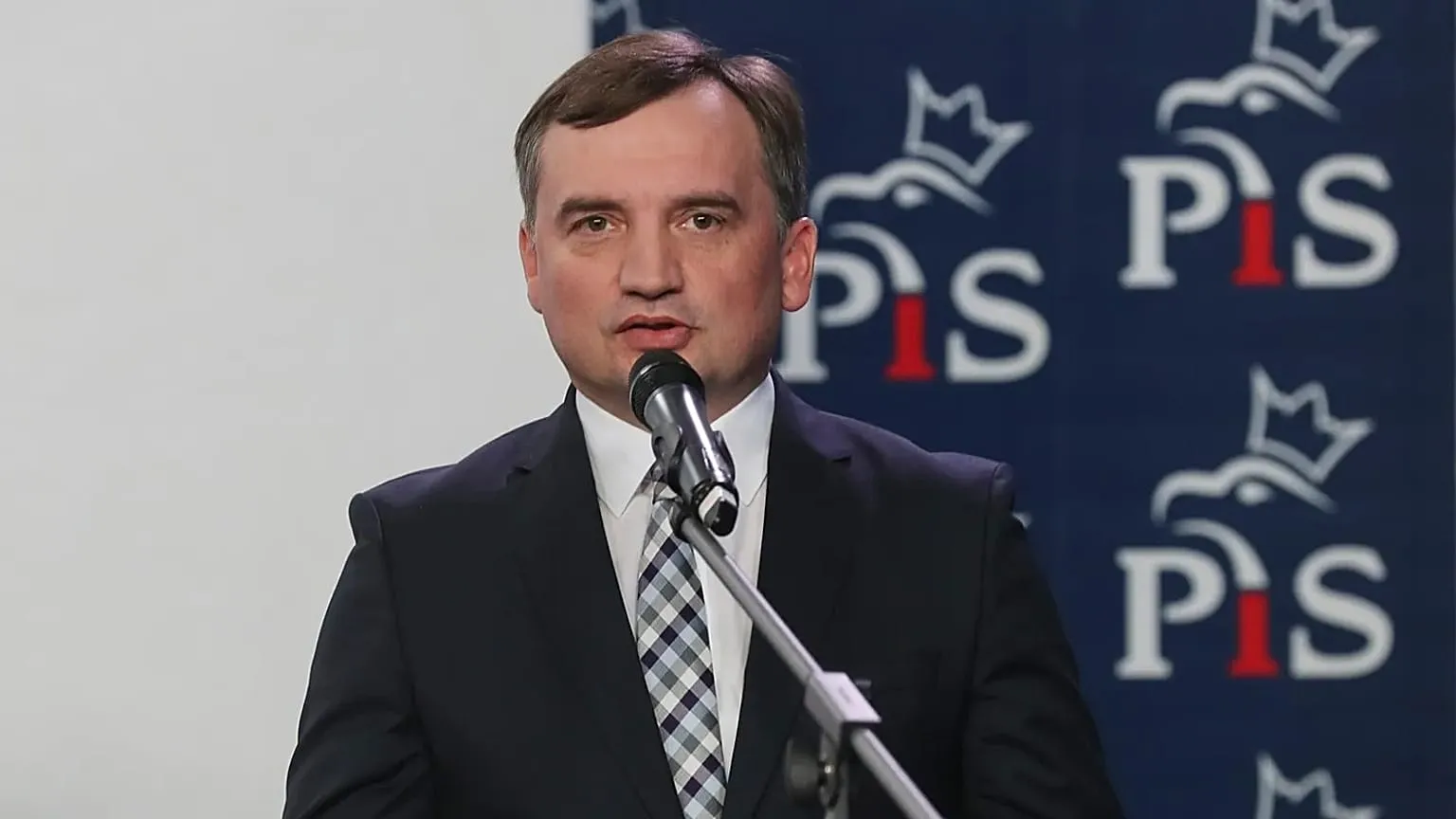
Hungary has granted political asylum to Poland’s former justice minister Zbigniew Ziobro, a move that has stirred controversy across the European Union and deepened political tensions between Budapest and Warsaw. Ziobro is facing multiple criminal charges in Poland, including allegations of large scale embezzlement linked to his time in office.
Polish prosecutors have accused Ziobro of 26 counts related to the misuse of public funds from a justice ministry programme intended to support crime victims and rehabilitate offenders. According to investigators, money from the fund was instead used to authorise the purchase of advanced surveillance software. The spyware was allegedly deployed to monitor and hack the phones of political opponents, journalists and critics of the former government.
Ziobro has strongly denied all accusations and maintains that the charges are politically motivated. He claims the investigation is part of a broader campaign of persecution by Poland’s current leadership following a shift in political power. His legal team argues that the case lacks impartiality and that he would not receive a fair trial if he returned to Poland.
Hungarian authorities confirmed that Ziobro had been granted asylum after reviewing his request under national law. While officials did not release detailed reasoning, they indicated that the decision was based on concerns over political targeting and judicial independence. The move aligns with Hungary’s frequent criticism of legal and political developments in other EU member states, particularly those led by rival political camps.
Granting asylum to a citizen of a fellow EU country is highly unusual and runs counter to the spirit of European Union standards, which are built on mutual trust in each member state’s legal system. EU rules generally assume that courts across the bloc meet basic principles of fairness and independence, making asylum claims between member states extremely rare.
Poland’s government reacted sharply to the decision, insisting that Ziobro is not a political refugee but a suspect in a criminal case involving serious misuse of public funds. Polish officials said the charges are supported by financial records and testimony, and rejected any suggestion that the judiciary is being used as a political weapon.
Legal experts say the case could have wider implications for the EU. If member states begin offering asylum to political figures facing prosecution elsewhere in the bloc, it could undermine judicial cooperation mechanisms such as extradition and cross border investigations. The situation also raises questions about how political disputes within the EU are spilling into legal and diplomatic arenas.
Ziobro was a powerful figure in Polish politics for years, particularly during the rule of the conservative Law and Justice party. As justice minister, he played a central role in controversial judicial reforms that critics said weakened court independence. Those reforms were a major source of friction between Poland and the European Commission and led to legal action and financial penalties against Warsaw.
Supporters of Ziobro argue that the current case reflects revenge politics rather than accountability. They say former officials are being selectively targeted after losing power. Critics counter that no one should be above the law and that granting asylum risks shielding alleged wrongdoing.
The European Commission has so far refrained from direct comment, but EU officials privately describe the situation as troubling. Diplomats say it highlights deepening divisions over the rule of law within the bloc and could prompt further debate over shared legal standards.
For now, Ziobro remains in Hungary, where his asylum status protects him from extradition. Whether the case escalates into a broader EU dispute will depend on how Poland and European institutions choose to respond in the coming weeks.