News
Labour MPs Call on Government to Block China’s Proposed Mega Embassy in London

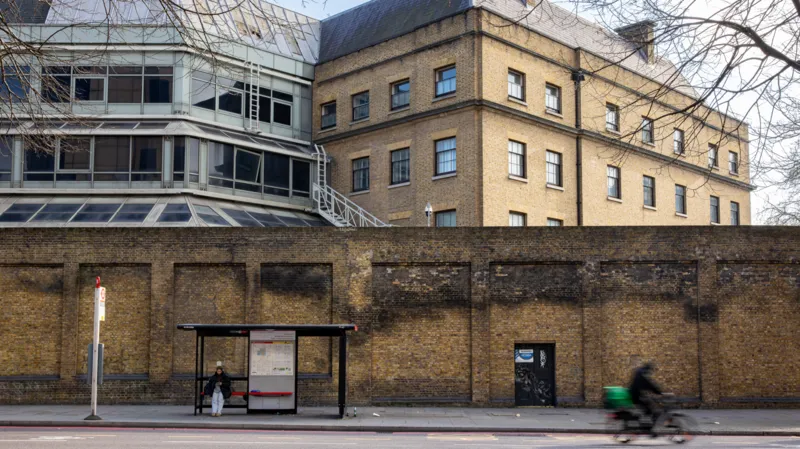
A group of Labour members of parliament has urged the British government to reject China’s proposal to build a large new embassy complex in London, citing security risks and concerns over the treatment of dissidents. The intervention comes just days before ministers are expected to decide whether the controversial development will be allowed to proceed.
In a letter sent to Steve Reed, nine Labour MPs warned that the proposed embassy site could pose serious national security challenges. They argued that the scale and location of the planned complex would create vulnerabilities that could be exploited for intelligence gathering and surveillance activities, particularly given the tense state of relations between London and Beijing.
The lawmakers also raised concerns about the potential impact on members of the Chinese diaspora and political activists living in the UK. They said the embassy could be used to increase pressure and intimidation against dissidents, human rights campaigners and critics of the Chinese government who reside in Britain. According to the MPs, this risk should be a central consideration in the government’s decision making process.
China has sought approval to build what would be one of its largest diplomatic missions in Europe, reflecting the importance Beijing places on its relationship with the UK. Supporters of the project argue that a modern embassy is a normal feature of diplomatic relations and that China, like any major power, has the right to adequate facilities for its diplomatic staff. They also say rejecting the plan could further strain already fragile bilateral ties.
However, critics across the political spectrum have expressed unease about the proposal. The issue has been debated in the context of wider concerns over foreign interference, espionage and the influence of authoritarian states. The MPs’ letter reflects growing pressure on the government to take a firmer stance toward Beijing, particularly on security and human rights issues.
Planning responsibility for the project sits with the Department for Environment, Food and Rural Affairs, which oversees the final decision on the development. While planning matters are usually handled at a technical level, the embassy proposal has become highly politicised, drawing in senior figures and prompting rare public interventions by lawmakers.
Security experts have warned that large diplomatic compounds can present unique challenges, especially when located near sensitive infrastructure or densely populated areas. They note that embassies are protected by diplomatic immunity, limiting the ability of host countries to monitor activities within their grounds. In the case of China, these concerns are amplified by allegations of overseas surveillance and pressure campaigns targeting critics abroad.
China has consistently denied accusations of intimidation or interference overseas, insisting that its diplomatic missions operate within international law. Beijing has also accused Western governments of politicising normal diplomatic activities and fostering mistrust. Chinese officials argue that opposition to the embassy is driven by prejudice rather than evidence.
The timing of the MPs’ letter adds urgency to the debate. With a decision expected soon, ministers face a balancing act between upholding planning rules, safeguarding national security and managing relations with a major global power. The Labour MPs have urged the government to err on the side of caution, saying the long term risks outweigh any diplomatic benefits.
The outcome of the decision will be closely watched both in London and Beijing. For the UK, it will signal how far security concerns now shape policy toward China. For critics of the project, the embassy has become a test case of whether democratic governments are willing to confront uncomfortable questions about foreign influence within their own capitals.