
News
US Sends Hundreds More Federal Agents to Minneapolis After Outcry Over ICE Fatal Shooting

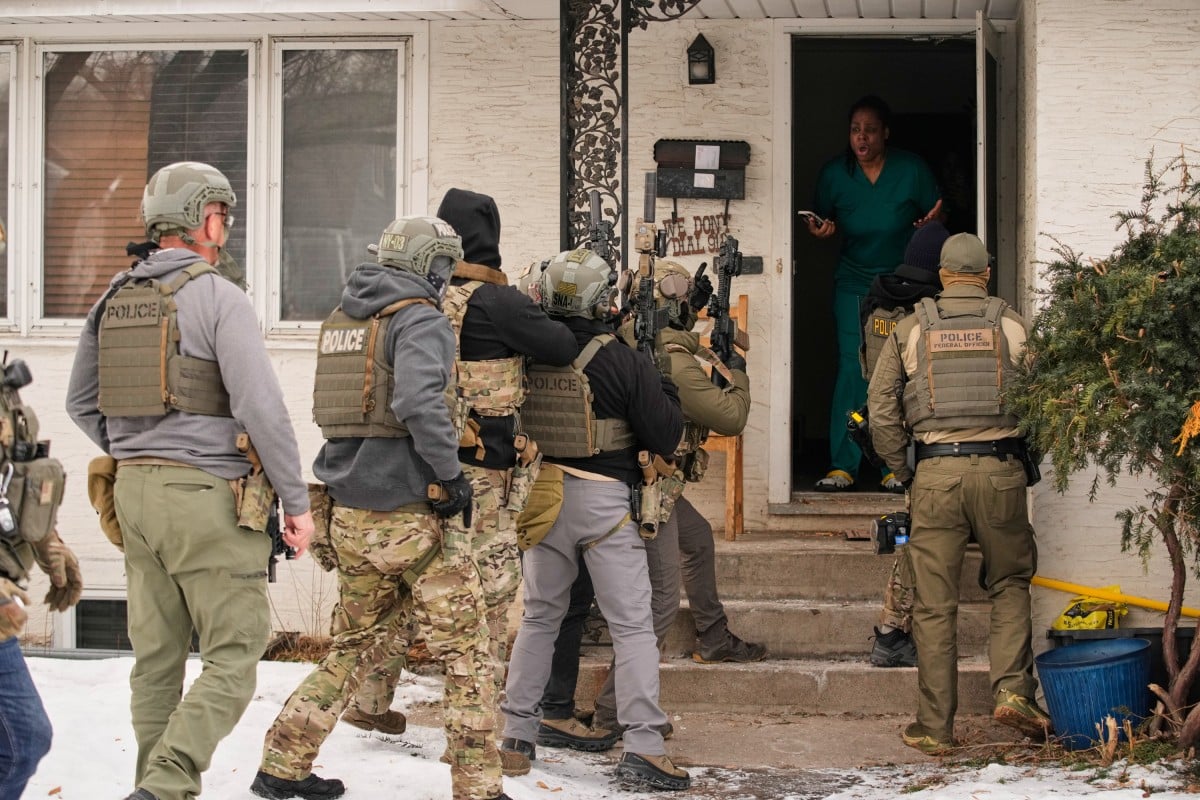
The United States is deploying hundreds more federal agents to Minneapolis as tensions escalate following the fatal shooting of a woman by an immigration officer, even as local leaders and residents demand that federal forces leave the city. The move was confirmed on Sunday by the head of the Department of Homeland Security, who said the surge is meant to support ongoing immigration enforcement efforts amid widespread protests and criticism.
The deployment comes after Renee Nicole Good, a 37-year-old woman, was fatally shot by an agent from Immigration and Customs Enforcement (ICE) during an enforcement operation earlier this week. Federal officials, including Homeland Security Secretary Kristi Noem, have defended the agent’s actions, describing the incident as a case of self-defense and characterising Good’s behaviour as threatening. Noem said the additional personnel are necessary so that ICE and Border Patrol officers can continue their work “safely”.
Despite this, state and city officials have sharply criticised the federal presence. Minneapolis Mayor Jacob Frey and Minnesota Governor Tim Walz, both Democrats, have repeatedly called for the withdrawal of ICE agents, arguing that the operation has made the city less safe, heightened fear among local communities and undermined trust in law enforcement. Thousands of protesters have taken to the streets in Minneapolis and other cities, with many calling for accountability over Good’s death and broader changes to immigration enforcement policies.
The influx of agents adds to what federal authorities have described as the largest immigration enforcement operation ever conducted in Minnesota. Approximately 2,000 agents were already on the ground as part of ongoing efforts targeting suspected immigration violations. Federal figures state that more than 1,500 arrests have been made in recent weeks, though specific details about these detentions have not been fully disclosed.
Protests have not been limited to Minneapolis. Demonstrations have been reported nationwide as activists condemn the killing and the continued deployment of federal agents, with some rallies focusing on broader criticisms of immigration policy and law enforcement tactics. In Minneapolis, thousands marched over the weekend, and activists have organised multiple “ICE out” events in cities across the United States.
Local reactions have included not only street protests but also political pushback. Officials have accused the federal government of overreach and have questioned the justification for sending more agents despite strong local opposition. The federal narrative that the shooting was justified has been challenged by video footage shared publicly and by state leaders who dispute the circumstances under which Good was shot.
The situation remains highly volatile, with federal authorities maintaining that the additional agents will help ensure the safety of law enforcement personnel during immigration operations, while local leaders and community members continue to call for deescalation and transparency. As the debate unfolds, questions about federal-local cooperation, civilian oversight and the future of immigration enforcement are likely to stay at the forefront of public discussion.



