News
Hamas Says It Will Step Aside From Gaza Governance Under New Palestinian Leadership Plan

Hamas said it will dissolve its current governing structure in the Gaza Strip once a new Palestinian technocratic body assumes administrative control, signalling a potential shift in how the territory is run amid renewed diplomatic efforts to reshape post conflict governance. The group made the statement on Sunday but offered no clear timeline for when the transition would take place.
The announcement follows provisions outlined in a US brokered peace framework that calls for Gaza to be administered by a non partisan Palestinian leadership committee. The proposed body would be made up of technocrats rather than political figures, with a mandate focused on reconstruction, public services and stabilisation rather than factional politics.
Hamas has governed Gaza since 2007, after seizing control from rival Palestinian factions. Since then, it has run civil administration, security and public services in the enclave, while facing international isolation, repeated conflicts with Israel and severe economic constraints. Any move to dissolve its governing role would represent the most significant change to Gaza’s political structure in nearly two decades.
In its statement, Hamas said it would comply with the handover once the new leadership committee is formally established and able to operate effectively. However, the group did not clarify whether it would fully withdraw from all administrative influence or how security responsibilities would be managed during the transition. These unanswered questions have fuelled scepticism among analysts and regional observers.
The proposed technocratic body is intended to operate under the umbrella of broader Palestinian authority while avoiding internal factional rivalries. Supporters of the plan argue that a neutral administration is essential for rebuilding Gaza, restoring basic services and securing international funding. Donor countries have repeatedly said that large scale reconstruction assistance would require a credible, unified and non militant governing framework.
US officials involved in the peace initiative have framed the arrangement as a pragmatic step rather than a final political settlement. The goal, they say, is to stabilise Gaza and prevent future cycles of violence while creating conditions for longer term political dialogue. Washington has not publicly commented on Hamas’s latest statement, and it remains unclear how the plan would be enforced if deadlines are missed.
Palestinian political dynamics add another layer of complexity. Rival factions have long disagreed over governance, legitimacy and control of security forces. Previous attempts at reconciliation have collapsed amid mutual distrust and competing interests. Some Palestinian officials have cautiously welcomed the idea of technocratic management, while warning that real authority must be clearly defined to avoid power vacuums.
Regional analysts note that Hamas’s wording leaves room for interpretation. By tying its withdrawal to the actual takeover by a new body, the group retains leverage over the timing and conditions of the transition. This has led some observers to suggest the statement is intended to reassure international mediators without committing to immediate change.
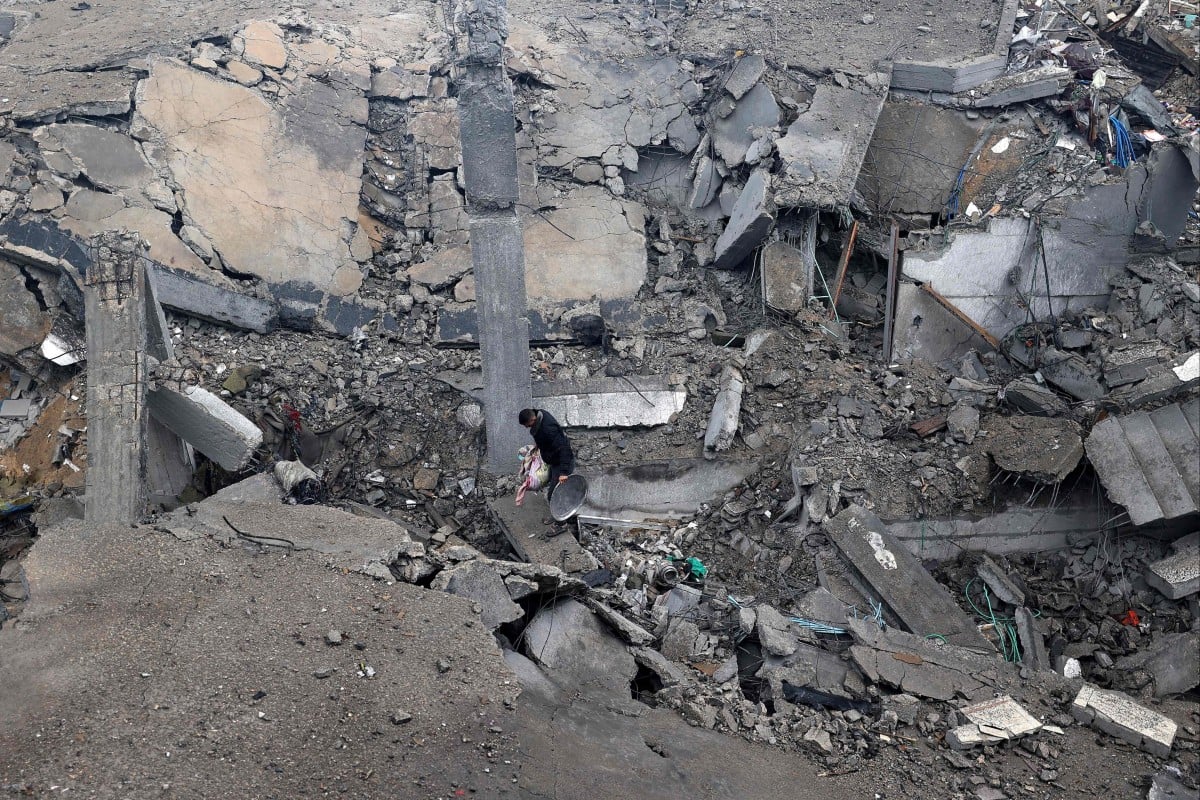
Conditions on the ground in Gaza further complicate the picture. Infrastructure damage, humanitarian pressures and security concerns mean that any new administration would face immense challenges from day one. Establishing effective governance would require coordination with multiple actors, including regional states and international agencies.
For now, Hamas’s pledge marks a notable rhetorical shift but not yet a concrete transfer of power. Whether it leads to a genuine restructuring of Gaza’s governance will depend on the formation, authority and acceptance of the proposed Palestinian leadership body, as well as the willingness of all parties to move from statements to implementation.