
Tech
A red pixel in the snow how AI helped solve the mystery of a missing mountaineer

When time works against mountain rescue
Searching for missing climbers in high altitude terrain is often a race against time, weather, and geography. Vast expanses of snow and rock can take rescue teams weeks to comb through, and in many cases the outcome is determined by how quickly a viable search area can be narrowed down. In recent years, artificial intelligence has begun to change that equation. One case in northern Italy illustrates how a single anomaly detected by AI can make the difference between uncertainty and resolution.
A disappearance in the Italian Alps
In September 2024, concern grew when Nicola Ivaldo, an experienced Italian mountaineer and orthopaedic surgeon, failed to appear at work on a Monday morning. Friends and colleagues raised the alarm after repeated attempts to contact him were unsuccessful. Ivaldo, 66, was known for solo climbs, but on this occasion he had not shared his planned route with anyone, leaving rescuers with almost no information to guide their search.
The only clue left behind
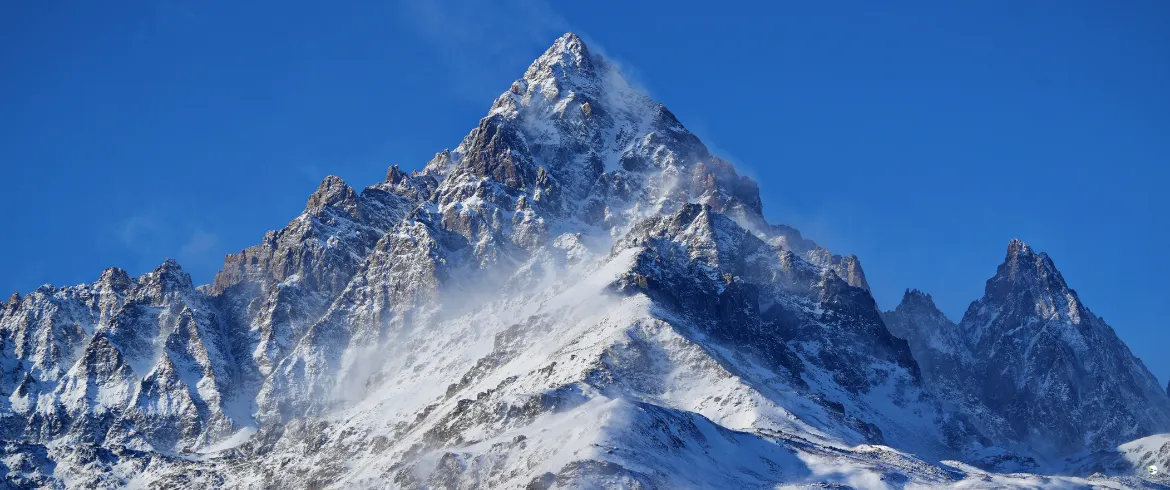
Rescue teams soon located Ivaldo’s car parked in the small village of Castello di Pontechianale, in the Valle Varaita of the Piemonte region. From there, the possibilities widened dramatically. Based on terrain and common climbing routes, rescuers believed he had likely headed toward either Monviso, the highest peak in the Cottian Alps at 3,841 metres, or its neighbouring summit Visolotto, which rises to 3,348 metres. Mobile phone data offered only limited help, placing his last signal somewhere in that general area without sufficient precision.
Weather and terrain complicate the search
As days passed, weather conditions worsened. Fresh snowfall reduced visibility and increased avalanche risk, forcing rescuers to balance urgency with safety. Traditional methods such as helicopter flyovers, ground patrols, and manual scanning of ridgelines were slow and increasingly dangerous. The sheer scale of the search zone meant that even a well coordinated effort could miss critical details hidden beneath snow and shadow.
How artificial intelligence entered the operation
Faced with these challenges, rescue coordinators turned to artificial intelligence to analyse high resolution aerial and satellite imagery of the region. AI systems trained to detect irregular shapes and colour variations were tasked with scanning thousands of images far faster than human teams could manage. Instead of looking for a recognisable human form, the algorithms searched for anomalies that did not match the surrounding natural patterns.
The red pixel that changed everything
Within hours, the system flagged a tiny irregularity in the snow, a single red pixel standing out against a vast white background. To a human observer, it might have been dismissed as noise or a shadow. But AI identified it as statistically unusual. When rescuers reviewed the location, they realised the red spot corresponded to equipment or clothing inconsistent with the environment. That pinpoint allowed teams to focus their efforts on a specific area rather than an entire mountain range.
From data to discovery
Rescue teams were dispatched to the coordinates highlighted by the AI analysis. Despite difficult conditions, they were able to reach the site and confirm that it was connected to Ivaldo’s disappearance. The discovery brought clarity to a case that might otherwise have remained unresolved for months. While the outcome underscored the risks of solo mountaineering, it also demonstrated how technology can dramatically shorten search times.
What this means for future rescues
The case has become a reference point for mountain rescue organisations across Europe. AI does not replace human expertise or physical rescue operations, but it reshapes how those resources are deployed. By narrowing search zones quickly, technology reduces exposure to danger for rescuers and increases the chances of finding missing individuals before conditions deteriorate further.
A quiet revolution in search and rescue
As climate change and outdoor recreation increase the frequency and complexity of rescue operations, tools that enhance speed and precision are becoming essential. The story of a single red pixel in the snow highlights a broader shift. Artificial intelligence is moving from experimental promise to practical application, quietly transforming how lives may be saved in some of the world’s most unforgiving environments.



