Tech
Chinese robot makers push toward real world deployment as CES 2026 shifts focus

CES 2026 marks a turning point for robotics
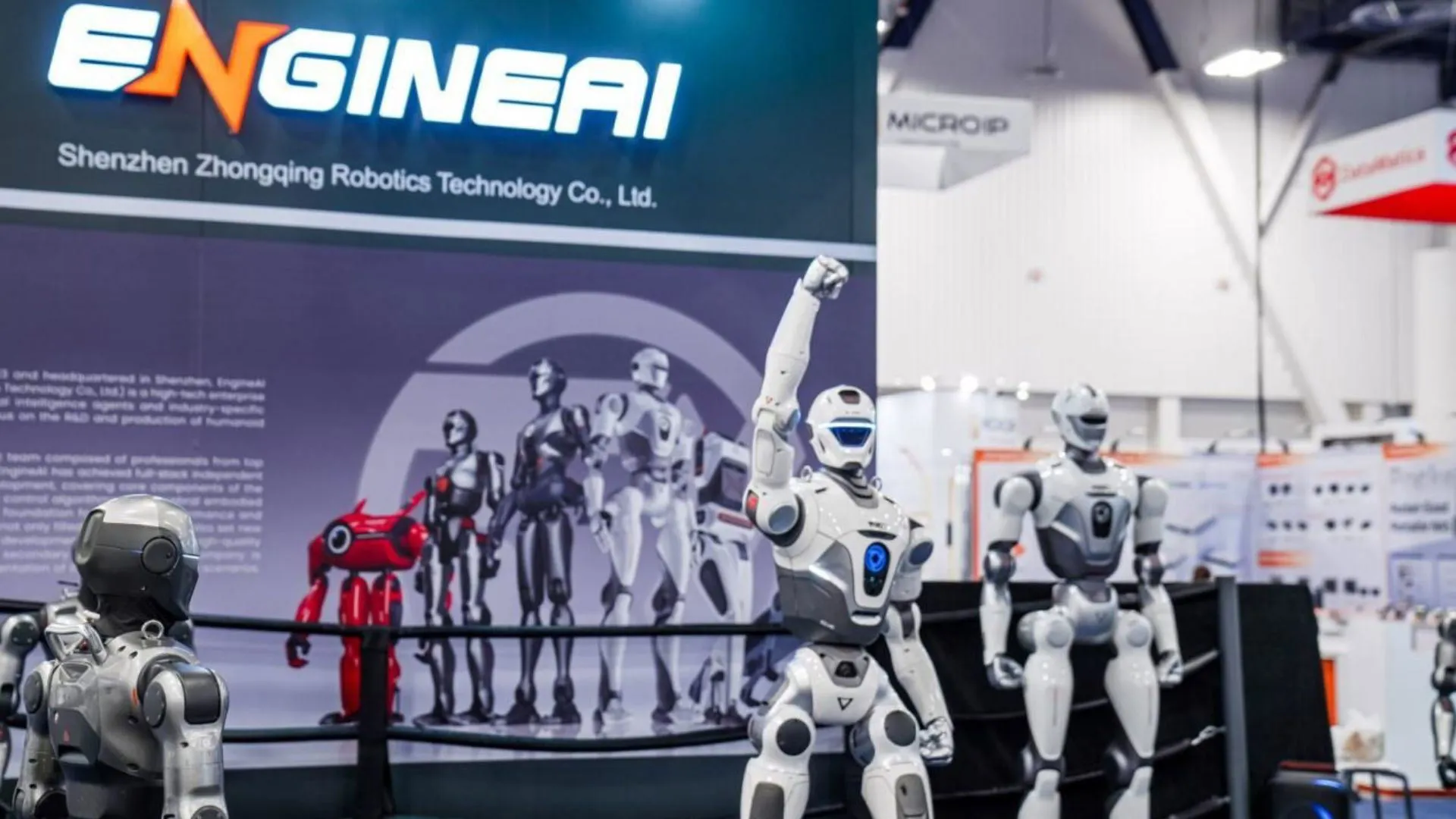
Robots of all shapes and sizes emerged as one of the most prominent technologies at the 2026 Consumer Electronics Show, reflecting a decisive shift in how the industry views artificial intelligence and automation. Unlike previous years, when futuristic concepts and experimental demos dominated exhibition halls, this year’s event placed a clear emphasis on practical deployment. The message from robot makers was consistent. AI powered machines are no longer prototypes designed to impress, but tools ready to operate in real world environments.
Held annually in Las Vegas, the Consumer Electronics Show has long served as a barometer for technology trends. In 2026, it highlighted how robotics has moved from speculative promise toward functional reality, with Chinese manufacturers playing a particularly visible role in that transition.
Chinese firms showcase applied intelligence
Chinese robot makers used CES to demonstrate systems designed for factories, warehouses, hospitals, retail spaces, and even homes. Rather than focusing on humanoid form alone, exhibitors showcased delivery robots, inspection units, cleaning machines, and collaborative industrial arms. These systems emphasized reliability, cost efficiency, and adaptability, qualities essential for large scale adoption.
A key theme across exhibits was integration. Robots were shown working alongside existing infrastructure rather than replacing it, using AI to navigate unpredictable environments, respond to human presence, and operate continuously with minimal supervision. This approach reflects lessons learned from earlier deployment challenges, where impressive demonstrations often failed to translate into sustainable commercial use.
From concept to deployment
In previous CES editions, robotics displays were often dominated by proof of concept machines that struggled to move beyond limited pilots. At CES 2026, the narrative changed. Chinese manufacturers stressed that many of their robots are already being used by clients in logistics, manufacturing, and public services. Demonstrations focused on real operating data, maintenance cycles, and return on investment rather than speculative capabilities.
This shift mirrors broader trends in China’s technology sector, where pressure to commercialise innovation has intensified. Rather than competing solely on cutting edge research, companies are now prioritising deployment at scale. Robotics, once seen as a long term ambition, is increasingly treated as an immediate productivity tool.
AI as the enabling layer
Artificial intelligence was the unifying element behind this year’s robotics push. Advances in computer vision, natural language processing, and autonomous navigation have lowered barriers that once limited robots to controlled environments. At CES, robots demonstrated the ability to recognise objects, interpret voice commands, and adjust behaviour based on context.
Chinese companies emphasised that AI models are now lighter, faster, and cheaper to deploy, making robots viable for small and medium sized businesses. This matters in a global market where cost sensitivity often determines whether automation is adopted or ignored. By combining hardware manufacturing strengths with software optimisation, Chinese firms are positioning themselves as competitive providers of end to end robotic solutions.
Implications for global competition
The prominence of Chinese robot makers at CES highlights intensifying global competition in applied AI and automation. Western firms have traditionally led in robotics research, but Chinese companies are closing gaps by focusing on manufacturing scale and rapid iteration. Their presence at CES signals confidence that their products can compete internationally, not just on price but on performance and reliability.
This dynamic also raises strategic questions. As robots become embedded in critical sectors such as logistics, healthcare, and infrastructure maintenance, countries are increasingly attentive to supply chains and technological dependence. CES 2026 made clear that robotics is no longer a niche market, but a core component of future economic competitiveness.
Consumer expectations begin to shift
Beyond industrial use, CES 2026 hinted at how consumer expectations are changing. Home robots, while still limited in function, showed incremental improvements in usefulness rather than novelty. Cleaning, security monitoring, and basic assistance tasks were framed as extensions of smart home ecosystems rather than standalone gadgets.
For consumers, this suggests a gradual normalisation of robots as everyday tools rather than futuristic curiosities. The focus on utility over spectacle may reduce hype, but it also builds trust, a crucial factor for adoption.
A pragmatic future for robotics
The tone of CES 2026 suggested that the robotics industry has entered a more pragmatic phase. Success is now measured by deployment numbers, operational uptime, and customer satisfaction rather than applause on the show floor. Chinese robot makers, by emphasising real world use, have aligned themselves closely with this shift.
As artificial intelligence continues to mature, the line between software and hardware innovation is blurring. Robots are becoming platforms rather than products, updated and improved through data and learning. CES 2026 offered a glimpse of that future, one where robots quietly integrate into daily life, driven less by spectacle and more by necessity.