
Business
Bluefin tuna sets new record at Tokyo auction as tradition and spectacle collide

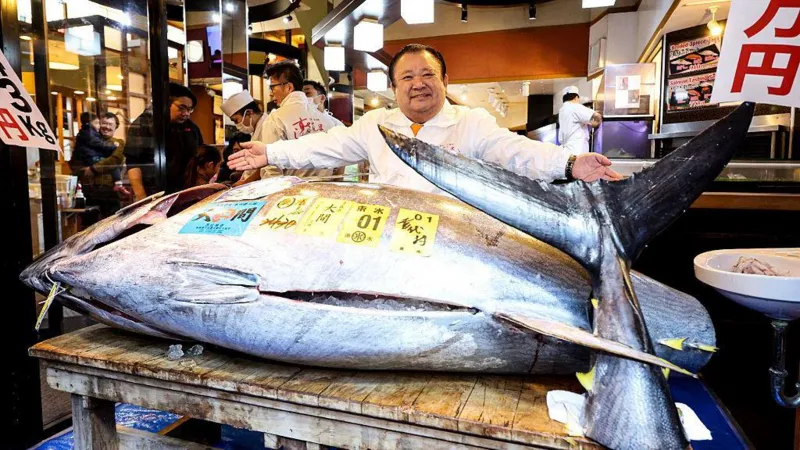
A dramatic start to the year at Toyosu
Tokyo’s famous Toyosu fish market opened the year with a moment of spectacle as a massive bluefin tuna sold for a record breaking price at the first auction of the year. The 243 kilogram fish fetched an extraordinary 510.3 million yen, equivalent to around $3.2 million, immediately capturing global attention. The early morning sale, watched closely by traders and media, reinforced the auction’s reputation as both a commercial event and a cultural ritual that symbolises good fortune for the year ahead.
The buyer behind the headline figure
The winning bid came from Kiyomura Corp, the operator of the well known Sushi Zanmai restaurant chain. Its president, Kiyoshi Kimura, is a familiar presence at the annual New Year auction and has earned the nickname the Tuna King for his willingness to pay eye catching sums for premium fish. Kimura described the first tuna of the year as a symbol of good luck, a belief that has become deeply woven into the narrative surrounding the event.
Why New Year tuna auctions matter
The first tuna auction of the year carries significance far beyond the fish itself. In Japan, it represents optimism, renewal, and prosperity. Buyers often bid aggressively not purely for commercial reasons but for the publicity and prestige that comes with winning. For restaurant operators, securing the top tuna offers a powerful marketing opportunity, signalling quality, success, and confidence to customers both at home and abroad.
A tradition shaped by scarcity and status
Bluefin tuna is prized for its rich flavour and texture, making it one of the most valuable seafood products in the world. At the same time, concerns over overfishing and sustainability have added complexity to the trade. Record breaking prices highlight both the demand for premium cuts and the scarcity of top quality fish. While most tuna auctions do not reach such heights, the New Year event often defies normal market logic, driven by symbolism as much as supply and demand.
The role of Sushi Zanmai in the spectacle
Sushi Zanmai has become synonymous with headline grabbing bids at the Tokyo auction. By repeatedly securing the top fish, the chain reinforces its brand as a destination for premium sushi accessible to the public. The company often uses the winning tuna to serve customers at standard prices, turning an expensive purchase into a promotional gesture rather than a profit driven transaction. This strategy has helped cement its place in the cultural theatre of the auction.
Global attention and economic context
The record sale comes at a time when Japan’s food and hospitality sectors are navigating shifting consumer patterns and rising costs. High profile events like the tuna auction generate positive attention and tourism interest, supporting Tokyo’s image as a global culinary capital. International coverage of the sale also reflects the enduring fascination with Japanese food culture and the rituals that surround it.
Sustainability questions remain
While the auction celebrates tradition, it also raises questions about the future of bluefin tuna. Conservation efforts in recent years have aimed to stabilise stocks through quotas and monitoring. Supporters argue that regulated fishing and high value markets can encourage responsible practices, while critics worry that record prices may fuel continued pressure on vulnerable species. The debate underscores the tension between cultural heritage and environmental responsibility.
More than just a fish
The sale of a single tuna for millions of dollars is not an everyday occurrence, but it serves as a powerful symbol. It reflects how food, tradition, branding, and economics intersect in modern Japan. For some, it is a celebration of craftsmanship and optimism. For others, it is a reminder of the challenges facing global seafood markets.
As the year begins, the record breaking tuna at Toyosu once again shows how a centuries old practice continues to resonate in a globalised world, blending ritual, commerce, and spectacle in a way few other markets can.



