Business
A future beyond force why global governance must catch up with a fractured world

The early signal of a troubling year
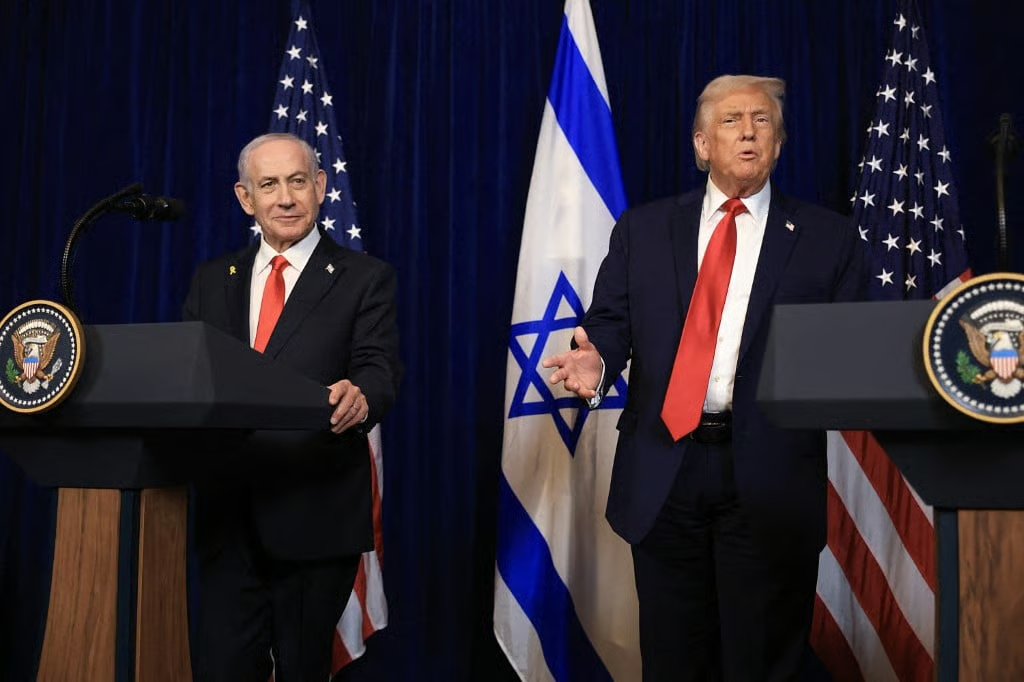
The year 2026 barely found its footing before delivering another blow to the idea that global affairs are governed by restraint, dialogue, and shared rules. The rapid return of unilateral action has underscored how fragile post war norms have become. After a short festive pause following years defined by tariffs, sanctions, and trade disputes, the world now appears to be sliding further into a phase marked by military assertiveness, open coercion, and the normalization of regime change as a policy tool.
The erosion of post war multilateralism
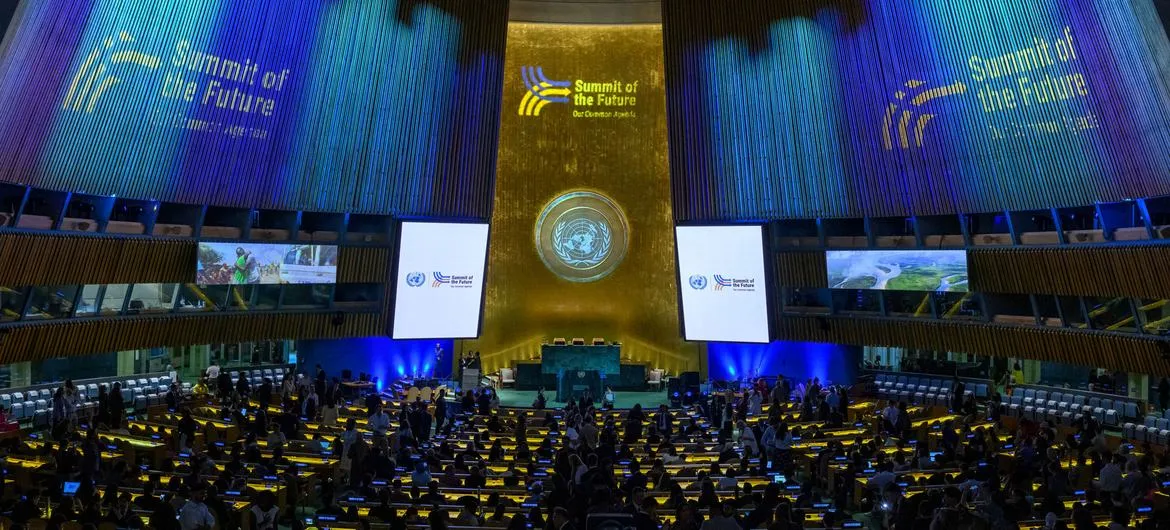
Since the end of World War Two, global stability has rested on the belief that rules matter more than raw power. Institutions such as the United Nations were created to prevent exactly the kind of unilateral behavior that now dominates headlines. Yet the steady sidelining of multilateral mechanisms suggests that many states no longer see collective governance as effective or binding. When major powers act first and justify later, the authority of shared institutions weakens further, creating a cycle of erosion that is difficult to reverse.
Why might is right no longer works
History shows that dominance enforced through power alone rarely produces lasting stability. Military victories may redraw borders or topple governments, but they also generate resentment, resistance, and long term insecurity. In a globalized world where economic supply chains, digital systems, and climate risks are deeply interconnected, coercion creates spillover effects that no country can fully control. The idea that strength alone can guarantee national interest is increasingly outdated in a world where vulnerability is shared.
Unilateralism in a connected age
What makes the current moment especially risky is the mismatch between unilateral decision making and global interdependence. A single military action can disrupt energy markets, trigger migration flows, and destabilize regions far beyond its immediate target. Similarly, the use of sanctions or trade restrictions as political tools often harms civilians and allies as much as intended adversaries. When these measures are taken without coordination or legitimacy, they undermine trust and encourage retaliation rather than cooperation.
The absence of diplomatic restraint
Diplomatic restraint once functioned as an unwritten code among major powers. Even during periods of tension, there was an understanding that escalation carried unacceptable risks. Today, that restraint appears to be fading. Public threats, symbolic shows of force, and transactional diplomacy have replaced patient negotiation. This shift not only increases the likelihood of miscalculation but also reduces space for neutral mediation, leaving conflicts to harden rather than resolve.
Rethinking global governance for the present era
The answer is not nostalgia for a perfect multilateral past, but a serious effort to modernize global governance. Institutions designed in the mid twentieth century struggle to reflect today’s power distribution, technological realities, and societal expectations. A renewed global governance initiative would need to address representation, enforcement, and credibility. It must give emerging economies a real voice, establish clearer limits on unilateral action, and create mechanisms that respond faster to crises without sacrificing legitimacy.
Cooperation as strategic necessity
Cooperation is no longer a moral preference but a strategic necessity. Challenges such as climate change, artificial intelligence, pandemics, and financial instability cannot be solved by any single state, regardless of its power. A governance framework that prioritizes collective problem solving over zero sum competition is essential for managing these risks. Without it, the world risks drifting into a pattern of constant disruption, where crises overlap and compound.
Choosing the direction of the future
The opening days of 2026 have offered a stark reminder of how quickly norms can unravel. The choice now is whether to accept a world governed by force and fragmentation, or to invest in rebuilding and updating the systems that encourage restraint and cooperation. A bright future depends on rejecting the notion that might is right and embracing governance that reflects shared responsibility.
The question is not whether global governance needs reform, but whether political will exists to pursue it before instability becomes the default condition of international life.