
News
How to stay safe during severe storms and cope with power cuts

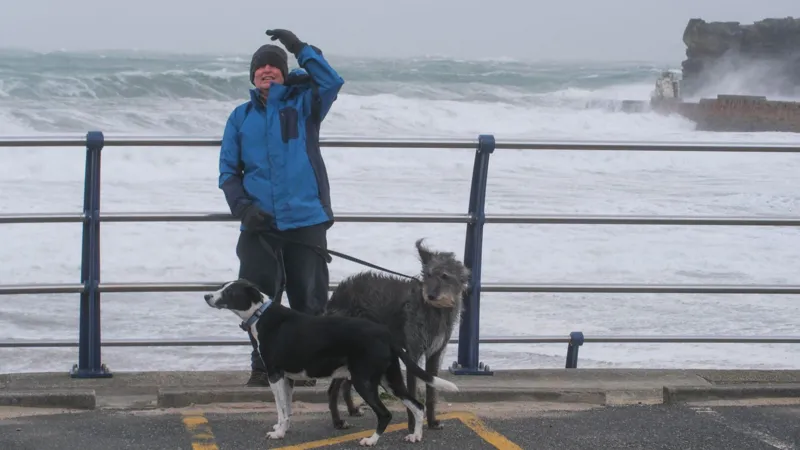
Severe weather has once again highlighted how disruptive storms can be, with tens of thousands of homes left without electricity after Storm Goretti brought powerful winds, snow and ice across large parts of the UK. With further weather warnings in place, knowing how to stay safe during a storm and what to do if the power goes out can make a significant difference.
Strong winds are one of the biggest dangers during storms. People are advised to avoid unnecessary travel, especially during peak warning periods. Flying debris, falling trees and damaged structures pose serious risks, particularly in exposed areas. If you must go outside, keep well clear of trees, scaffolding and power lines, and avoid coastal areas where large waves and storm surges can occur.
Inside the home, it is important to secure loose items such as garden furniture, bins and decorations before the worst conditions arrive. Windows and doors should be kept closed, and it is sensible to move vehicles away from trees or walls if possible. Staying informed through updates from the UK Met Office can help you plan around the most dangerous periods.
When heavy snow or ice is forecast, slips and falls become a major concern. Wear footwear with good grip, walk slowly and use handrails where available. If you are responsible for clearing snow or ice, do so carefully and avoid overexertion, particularly if you have health conditions.
Power cuts are a common consequence of storms, especially when high winds damage lines or substations. If the electricity goes off, switch off or unplug appliances to prevent damage when power returns. Keep one light on so you know when supply has been restored.
Torches are safer than candles and should be your first choice for lighting. If candles are used, never leave them unattended and keep them well away from curtains or flammable materials. Make sure you have spare batteries, a charged power bank for mobile phones and warm blankets to help maintain body heat.
Food safety is another key issue. Keep fridge and freezer doors closed as much as possible to maintain cold temperatures. A full freezer can keep food safe for up to 48 hours if unopened. If in doubt about the safety of food after a prolonged outage, it is better to throw it away.
Heating can also be affected by power cuts. If you rely on electric heating, try to keep to one room to conserve warmth. Wear layers and use blankets rather than portable fuel heaters indoors, which can pose serious fire and carbon monoxide risks.
Check on neighbours, particularly older people or those with health conditions, as they may need assistance. Community support can be crucial during extended outages, especially in rural areas where restoration may take longer.
If you experience a power cut, report it to your local electricity network operator so crews are aware of the issue. Avoid touching fallen power lines and keep others away, as they may still be live even if the area appears dark.
Finally, prepare in advance where possible. A basic emergency kit with water, non perishable food, a torch, batteries and essential medications can reduce stress if the weather worsens unexpectedly.
Storms like Goretti are a reminder that extreme weather can arrive quickly and disrupt daily life. Taking practical precautions and staying informed can help keep you safe until conditions improve and normal services are restored.



