
News
UK defence plans face £28bn funding gap as war readiness ambitions raise questions

The British government is under growing pressure over claims that plans to make the country’s armed forces war ready will require tens of billions of pounds more than currently allocated, exposing a potential gap between strategic ambition and available funding.
According to reports cited in the British press, the Ministry of Defence believes it will need an additional £28 billion over the next four years to meet the costs of its projected defence programme. The government has so far declined to deny the figures, fuelling debate over whether existing defence budgets are sufficient to support Britain’s evolving security commitments.
The issue has emerged as the government reassesses military priorities amid heightened global instability and sustained conflict in Europe and the Middle East. Officials have repeatedly stressed the need for stronger readiness, improved stockpiles and modernised capabilities, but critics argue that funding levels have not kept pace with these goals.
At the centre of the discussion is the delayed defence investment plan, which was originally expected to be completed in autumn last year. The plan has now been pushed back, with reports suggesting it may not be finalised until spring. Prime Minister Keir Starmer is reported to have ordered a rewrite of the proposals, indicating unease within government about the scope, cost and sequencing of defence commitments.
The Ministry of Defence has not publicly confirmed the £28bn figure, but defence analysts say the estimate reflects rising costs across multiple areas. These include replenishing ammunition stocks, upgrading ageing equipment, expanding cyber and space capabilities and improving conditions for service personnel.
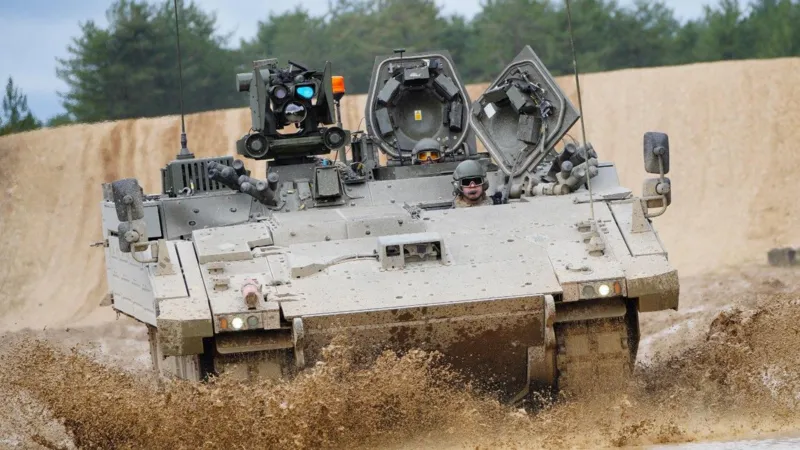
Inflation and supply chain pressures have also driven up procurement costs. Large defence projects, such as naval vessels, aircraft and armoured vehicles, have become significantly more expensive, making it harder for the military to deliver planned capabilities within existing budgets.
The funding question has political as well as strategic implications. The government has pledged to maintain fiscal discipline while also committing to higher defence spending as a share of national income. Balancing these promises has become increasingly difficult as demands on public finances grow.
Opposition figures and some defence experts warn that underfunding could leave Britain with hollow forces, where headline commitments exceed actual capability. They argue that credibility with allies depends not just on spending targets but on whether forces are properly equipped and ready to deploy at scale.
Supporters of the government’s approach counter that the defence review is still under way and that it is sensible to reassess priorities before committing additional funds. They say a clearer strategy could help ensure that any extra spending delivers real improvements rather than being absorbed by inefficiencies.
The delay to the investment plan has also raised concerns within the armed forces. Senior military figures have previously warned that uncertainty over funding makes long term planning difficult and can affect morale, recruitment and retention.
Britain’s defence posture is closely watched by allies, particularly within NATO, where expectations around burden sharing and readiness have intensified. As the security environment becomes more volatile, questions about the UK’s ability to sustain high intensity operations have taken on greater urgency.
Whether the government ultimately fills the reported £28bn gap remains unclear. What is evident is that the debate has exposed a growing tension between the ambition to make Britain’s forces war ready and the financial realities of delivering that promise. The outcome of the revised defence plan will be a key test of how the government intends to align strategy, capability and funding in the years ahead.



