News
Widespread power cuts as snow and ice warnings blanket most of the UK

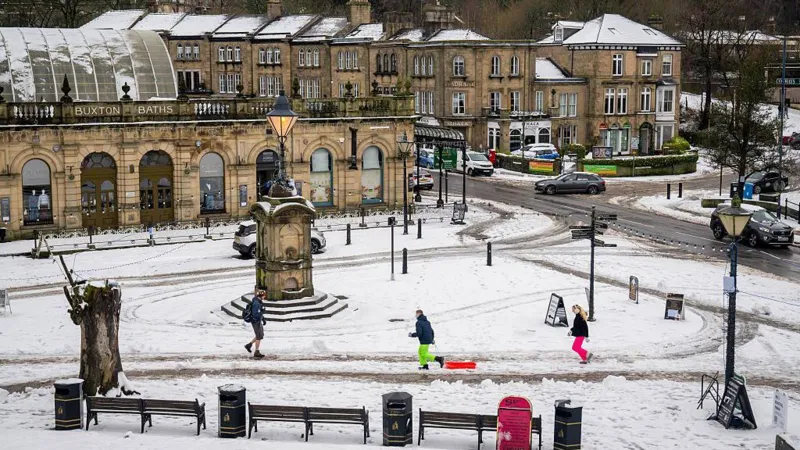
Tens of thousands of people across the United Kingdom remain without electricity after Storm Goretti swept through the country, bringing heavy snow, freezing rain and strong winds that disrupted transport networks and damaged power infrastructure.
Energy providers said crews have been working around the clock to restore supply after falling trees, ice laden cables and high winds caused widespread outages, particularly in rural and exposed areas. The worst affected regions include parts of Scotland, northern England, the Midlands and Yorkshire, where snow accumulation and icy conditions made access difficult for repair teams.
The extreme weather prompted the UK Met Office to issue yellow warnings for snow and ice covering most of the country through Saturday afternoon. Additional warnings remain in force for Sunday across Scotland, northern England, the Midlands and Yorkshire, signalling that hazardous conditions are likely to persist.
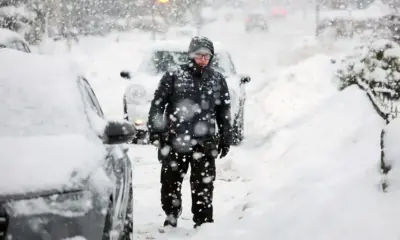
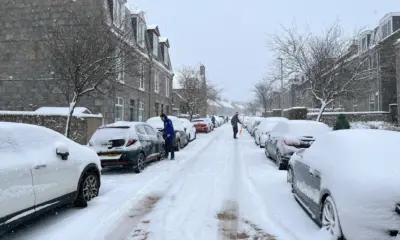
Storm Goretti delivered a complex mix of weather systems. Heavy snowfall blanketed higher ground, while freezing rain created dangerous ice layers on roads and pavements. In coastal and upland areas, strong winds compounded the impact by bringing down power lines and trees already weakened by saturated ground.
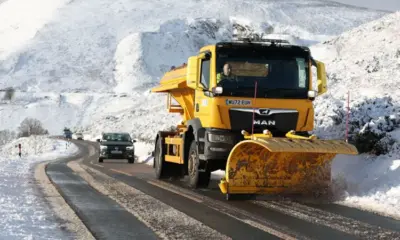
Transport disruption has been widespread. Rail operators reported delays and cancellations due to frozen points and snow covered tracks, while road authorities urged drivers to avoid non essential travel. Several local councils closed schools as a precaution, citing safety concerns for pupils and staff.
Power companies said that while most urban areas were restored relatively quickly, remote communities have faced longer outages. Engineers described challenging conditions, including deep snow, blocked roads and ongoing weather risks that slowed repair efforts. Temporary generators have been deployed in some locations to support vulnerable residents.
Emergency services have issued safety advice, urging people to check on elderly neighbours and ensure they have adequate heating. Health officials warned that icy conditions increase the risk of falls, while prolonged cold can worsen respiratory and cardiovascular conditions.
Local authorities have activated cold weather response plans, opening warming centres and coordinating support for those without power or heating. Community groups and volunteers have also stepped in, delivering hot meals and supplies to isolated households.
Forecasters say the unsettled weather pattern is expected to continue into the weekend, with further snow showers possible in northern and central areas. Although conditions may ease slightly in the south, freezing temperatures overnight could lead to refreezing and renewed ice hazards.
Meteorologists stressed that yellow warnings indicate the potential for disruption rather than certainty, but urged the public to remain cautious. Even small amounts of snow or ice can have significant impacts when combined with strong winds and freezing temperatures.
The storm has reignited debate about the resilience of the UK’s power infrastructure in the face of increasingly volatile weather. Climate experts note that while winter storms are not unusual, more frequent extremes are placing additional strain on ageing systems.
Government officials said they are monitoring the situation closely and remain in contact with local authorities and energy providers. They urged residents to stay informed through official weather updates and to take practical steps to stay safe during the cold spell.
As crews continue restoration work, the focus remains on reaching the hardest hit communities before further weather systems arrive. With warnings still in place across much of the country, authorities say the coming days will be critical in determining how quickly normal services can fully resume.