Business
How Tariff Disruption Will Keep Reshaping the Global Economy in 2026

Tariffs move from campaign slogan to economic force
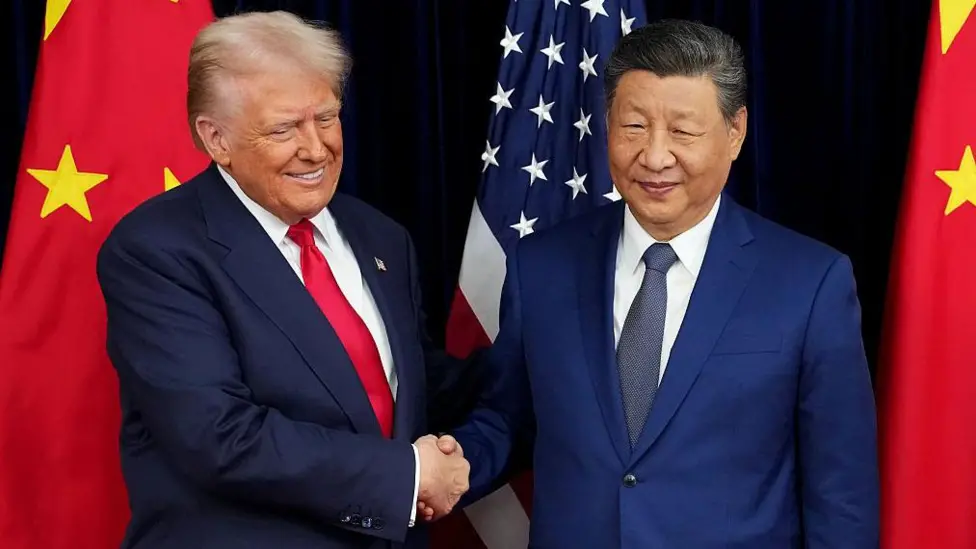
Tariffs have once again become a defining feature of global economic debate. Since returning to office, Donald Trump has repeatedly framed tariffs as a tool to restore domestic manufacturing boost wages and protect national interests. While supporters view them as corrective measures against unfair trade, critics argue they distort markets and raise costs. What is increasingly clear is that tariffs are no longer a temporary policy experiment. They have become a structural force shaping trade investment and growth patterns heading into 2026.
Why the global economy is still adjusting
The world economy is still absorbing the effects of tariff measures introduced during the first year of Trump’s second term. Supply chains do not realign overnight. Companies take years to relocate production renegotiate contracts or diversify sourcing. Even when tariff levels are lower than initially threatened their psychological impact on business planning is significant. Firms delay investment hedge against policy risk and prioritize resilience over efficiency. These shifts alter trade flows in ways that persist long after specific tariffs are imposed.
Slower growth becomes the trade off
According to International Monetary Fund, tariff related disruption is a key reason global growth is expected to slow to 3.1 percent in 2026. This represents a downgrade from earlier projections and reflects weaker trade momentum rather than a collapse in demand. Tariffs act like friction in the global system. They do not stop commerce entirely but they reduce speed increase costs and lower overall output. Even modest trade barriers can have outsized effects in a highly interconnected economy.
Winners and losers across regions
Tariff driven change does not affect all economies equally. Some countries benefit as companies seek alternative manufacturing hubs to avoid higher duties. Others suffer as exports become less competitive or supply chains fragment. Advanced economies with large domestic markets may absorb shocks more easily while export dependent regions face sharper adjustments. This uneven impact is contributing to a more fragmented global economy where regional trade blocs matter more than global integration.
Corporate strategy adapts to policy uncertainty
For multinational companies the tariff environment has reshaped strategy. Cost minimization has given way to risk management. Firms are spreading production across multiple countries building redundancy into logistics and holding higher inventories. These adjustments raise operating costs which are often passed on to consumers. Over time this contributes to persistent inflationary pressure and changes consumption patterns especially in trade exposed sectors.
Tariffs and geopolitics become intertwined
Trade policy is increasingly linked to geopolitics rather than pure economics. Tariffs are used as leverage in negotiations over security technology and influence. This trend blurs the line between economic competition and strategic rivalry. As major powers prioritize self sufficiency and supply chain control global cooperation becomes harder. The result is a less predictable trading system that rewards political alignment as much as economic efficiency.
What 2026 is likely to bring
Looking ahead tariff disruption is unlikely to fade in 2026. Even if no major new measures are introduced existing ones will continue to shape behavior. Businesses governments and financial markets are adjusting to a world where trade policy can shift rapidly with political cycles. The long term effect is a global economy that grows more slowly but is more regionally anchored and politically influenced.
A permanent shift in the global landscape
Tariffs have moved from being a tactical tool to a defining feature of the economic environment. Whether they deliver the promised domestic gains remains contested. What is not in doubt is their role in refashioning how the global economy functions. As 2026 approaches the challenge for policymakers and businesses alike is learning to operate effectively in a world where trade is no longer taken for granted.