Business
Unions Accuse McDonald’s of Failing to Protect Young Workers From Workplace Harassment

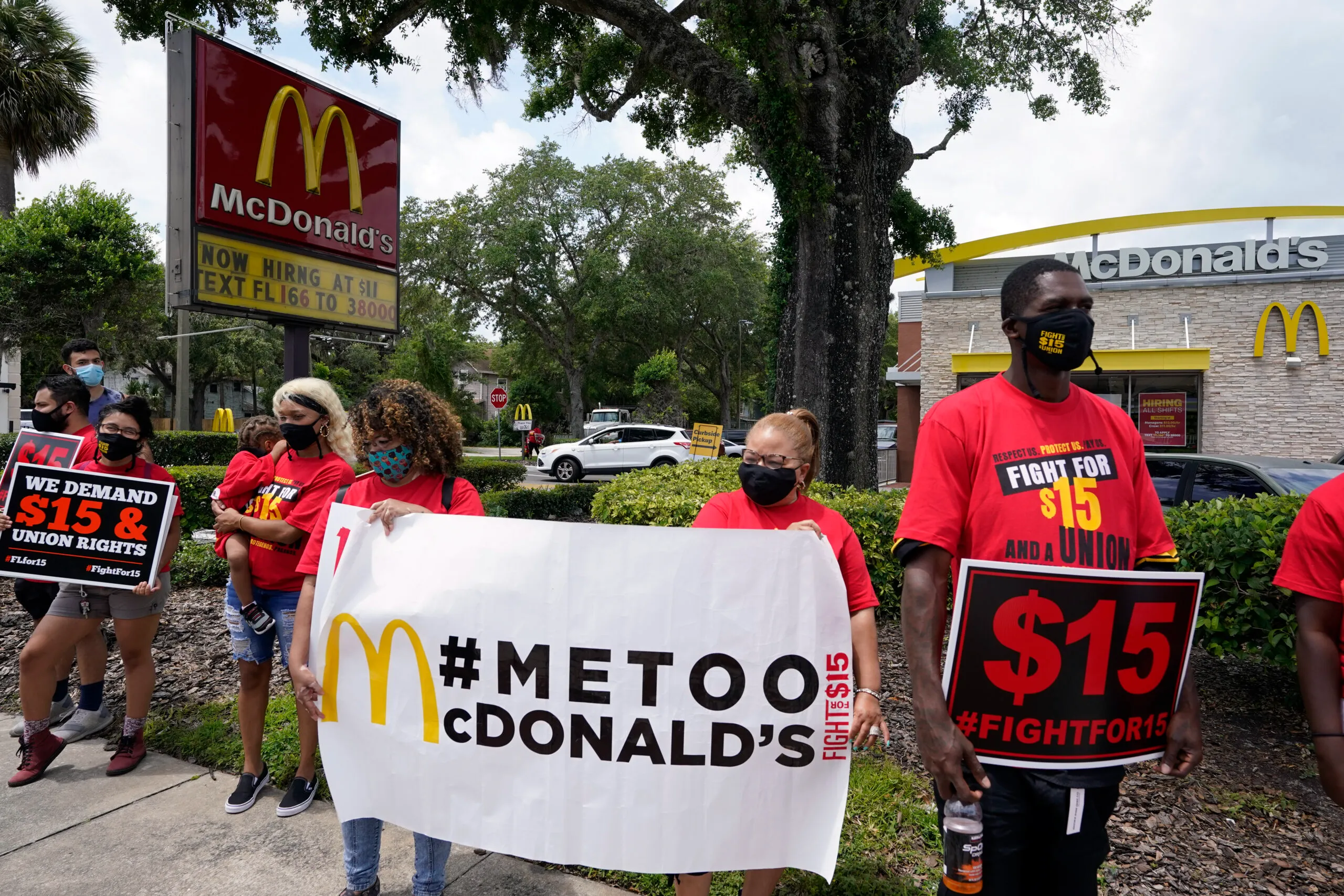
Serious allegations raise concerns over staff safety
A coalition of trade unions has accused McDonald’s of repeatedly failing to protect workers from sexual harassment across its UK restaurants and franchises. According to the unions, the alleged victims are predominantly teenage and young adult employees, many of whom are in their first jobs and lack the confidence or experience to challenge inappropriate behaviour in the workplace. The accusations claim that the company has breached international labour standards by not taking sufficient action to prevent or respond to complaints.
Why young workers are especially vulnerable
Fast food outlets employ a high proportion of teenagers and students, often on part time or zero hours contracts. These workers may depend heavily on managers for shifts references and continued employment. Unions argue that this imbalance of power creates an environment where harassment can go unreported. Fear of retaliation embarrassment or job loss may discourage young staff from speaking up, particularly when clear reporting systems are absent or poorly enforced.
The role of franchises complicates accountability
One of the key issues highlighted by unions is the structure of McDonald’s operations in the UK. While the brand is globally managed many restaurants operate as franchises. This can blur responsibility for workplace standards and enforcement. Unions claim that this fragmented structure allows repeated problems to persist without consistent oversight. Critics argue that a global brand should still ensure uniform labour protections regardless of ownership models.
Alleged failures in handling complaints
According to union statements existing internal procedures have not been sufficient to protect workers or resolve complaints effectively. Some cases reportedly involved delayed responses inadequate investigations or lack of meaningful consequences. When young workers perceive that complaints lead nowhere trust in management erodes. This can normalise harmful behaviour and create a culture of silence that extends beyond individual incidents.
International labour standards under scrutiny
The unions argue that the situation goes beyond isolated workplace disputes and represents a systemic failure to meet international labour norms. These standards emphasise safe working environments protection from harassment and effective grievance mechanisms. By raising the issue publicly unions are seeking to increase pressure on both the company and regulators to intervene more decisively.
Wider implications for the hospitality sector
The allegations against McDonald’s also raise broader questions about worker protection in the hospitality and fast food industries. High staff turnover young workforces and intense operational pressures can allow misconduct to go unnoticed. Industry observers note that addressing harassment requires not only policies but consistent training independent reporting channels and cultural change at every level of management.
Company reputation and public trust at stake
For a globally recognised brand accusations of failing to protect teenage workers carry significant reputational risk. Public expectations around corporate responsibility have shifted and companies are increasingly judged on how they treat their most vulnerable employees. How McDonald’s responds to these allegations may influence trust among customers staff and regulators alike.
A call for stronger safeguards
Unions are calling for clearer accountability stronger enforcement mechanisms and independent oversight to ensure complaints are handled properly. They argue that young workers deserve workplaces free from fear and harassment regardless of industry or contract type. As the issue gains attention it may prompt renewed scrutiny of labour practices across the fast food sector and beyond.