Business
Government Moves to Ease Business Rate Pressure on England’s Pubs


A partial reversal after mounting pressure
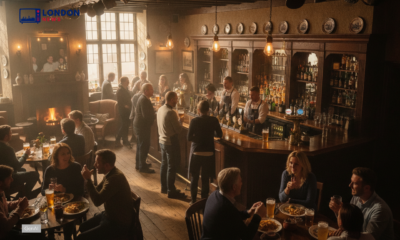
The government is preparing to soften a planned rise in business rates for pubs across England, signalling a partial climbdown after sustained pressure from landlords and industry groups. An announcement is expected within days confirming changes to how pub business rates are calculated, leading to smaller increases than initially planned. For many pub owners, the move offers limited relief but also highlights how close the sector has come to breaking point after years of financial strain.
Why business rates hit pubs especially hard
Business rates are based on the rateable value of premises, which has risen sharply for many pubs following recent revaluations. Unlike some other businesses, pubs operate from large physical spaces with high fixed costs and limited flexibility. Rising energy prices staffing shortages and shifting consumer habits have already compressed margins. When higher business rates are added, many pubs face costs that cannot easily be passed on to customers without risking further declines in footfall.
Treasury acknowledgment of sector hardship
Officials at HM Treasury have acknowledged that the original rate increases failed to account for the fragile state of the pub industry. While business rates are designed to reflect property value rather than profitability, critics argue this approach is outdated for hospitality. Treasury recognition of these challenges suggests an awareness that unchecked increases could accelerate pub closures, particularly in rural areas and small communities where pubs often serve as social hubs.
Industry backlash forced political attention
The government’s shift did not happen in isolation. Landlords and trade bodies coordinated a highly visible protest campaign, with more than 1,000 pubs banning members of Labour Party from entering their premises. While symbolic, the action drew national attention and underscored the depth of anger within the sector. It also highlighted how pubs have become politically sensitive spaces, closely tied to local economies and voter sentiment.
What the changes are expected to do
While full details are yet to be confirmed, the revised calculation method is expected to smooth out increases rather than eliminate them entirely. This means pub owners may still face higher bills but at a more manageable pace. Industry representatives argue this is only a temporary fix. They continue to call for broader reform of the business rates system, including greater consideration of turnover and profitability rather than property value alone.
Limited relief in a fragile market
For many pubs, the announcement will be welcomed but not celebrated. The sector remains under pressure from reduced disposable income among consumers and competition from cheaper at home drinking. A slower rise in business rates may prevent immediate closures, but it does not address deeper structural issues facing hospitality. Owners are increasingly cautious about investment, expansion, or even long term survival.
The wider implications for policy
The decision to water down the rate rise reflects a broader challenge for government economic policy. Balancing public revenue needs with the survival of small businesses is becoming more difficult in a slow growth environment. Pubs are a visible example of this tension. They generate employment tourism and community value but struggle under tax structures designed for a different era.
A warning sign rather than a resolution
This episode serves as a warning that policy missteps can quickly provoke organised resistance when industries feel unheard. While the government’s adjustment may defuse immediate anger, it leaves unresolved questions about the future of business taxation. For England’s pubs, the reprieve buys time, not certainty, in an industry still fighting to stay afloat.