News
UK Consumer Sentiment Remains Mixed as Spending Divide Widens, Says Tesco Boss

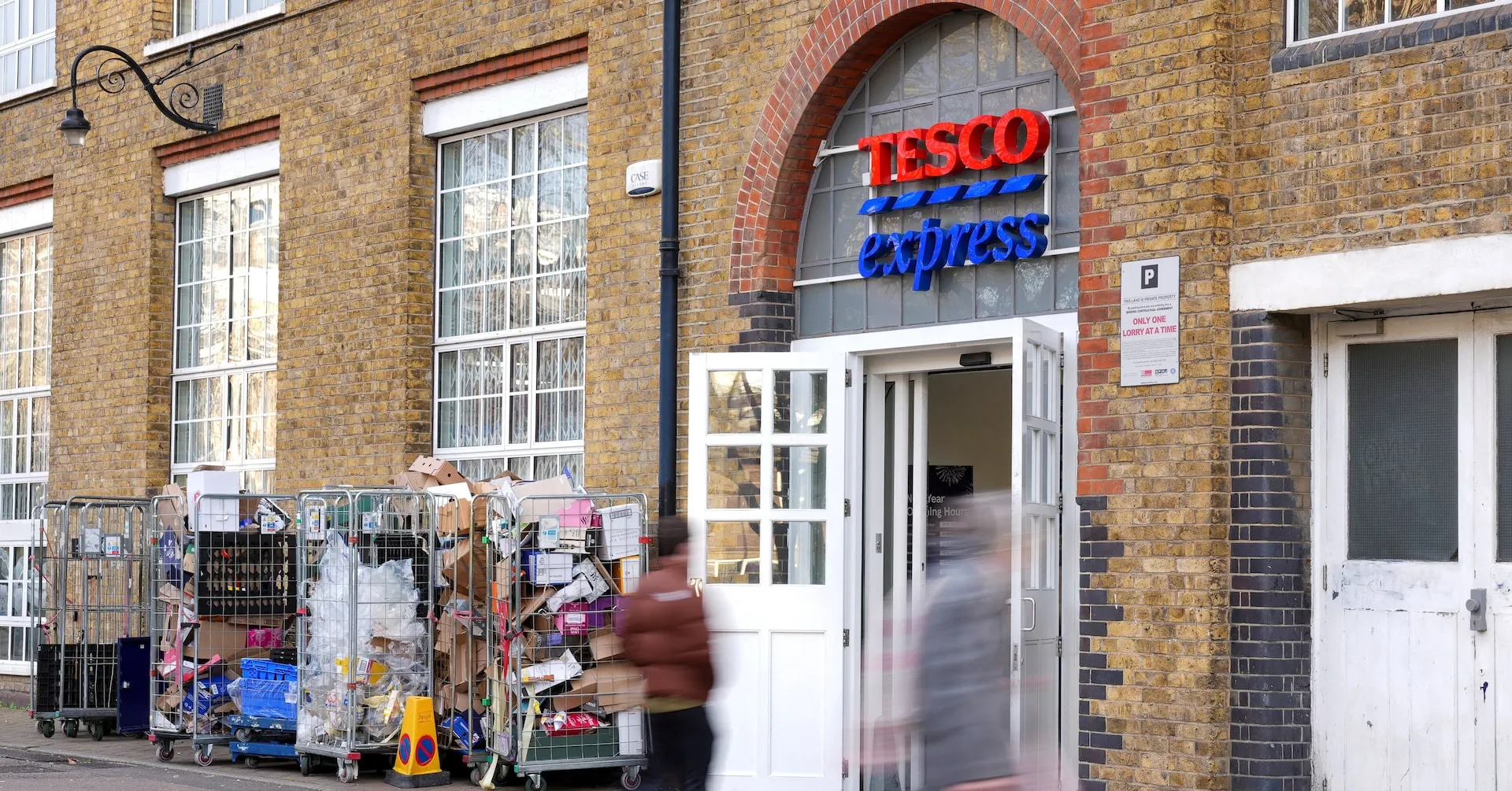
British consumer sentiment remains mixed, with a clear divide between households that still have money to spend and those under continued financial strain, according to the chief executive of Tesco.
Tesco boss Ken Murphy said shoppers’ behaviour shows a widening gap across income groups, with some customers feeling confident enough to spend while others remain highly cautious. Speaking as the supermarket released its latest trading update, he said the picture across the UK is far from uniform.
Murphy said parts of the customer base continue to prioritise value and essential spending, carefully managing budgets and limiting non essential purchases. At the same time, another segment of shoppers appears more comfortable, showing a willingness to spend on premium food ranges and seasonal treats. This contrast, he said, underlines how uneven the economic recovery feels on the ground.
Tesco’s figures suggest that food spending has remained relatively resilient, particularly around key periods such as Christmas. Many customers were prepared to spend more on meals and gatherings, reflecting the importance of shared experiences even in uncertain times. However, spending outside core groceries, including clothing and general merchandise, has been more subdued.
Murphy said inflation easing has provided some relief, but it has not translated into a broad based return of confidence. Higher mortgage costs, rents and household bills continue to weigh heavily on many families, limiting their ability to increase discretionary spending. For these customers, price sensitivity remains acute.
The Tesco chief said shoppers are still actively seeking promotions and relying on loyalty discounts. Own brand products continue to perform strongly as customers look for ways to stretch their budgets. This behaviour, he added, shows that while inflation has slowed, its impact on household finances has not disappeared.
Retail analysts say Tesco’s position gives it a broad view of consumer behaviour across the country. As the UK’s largest supermarket, shifts in its sales patterns are often seen as a reliable indicator of wider economic sentiment. The mixed picture described by Murphy echoes comments from other retailers who have warned that confidence remains fragile.
Those with higher incomes or fewer housing costs appear more insulated from financial pressures, allowing them to maintain or even increase spending in certain categories. In contrast, lower income households and those facing higher borrowing costs are continuing to make difficult trade offs, prioritising essentials over treats.
Murphy said this divide is shaping how Tesco plans for the year ahead. The company expects value to remain a central theme, with continued investment in keeping prices competitive. At the same time, it will maintain a broad product range to cater for customers who are still willing to spend more.
Looking ahead, Tesco is cautious about the outlook for 2026. Murphy said consumer confidence could remain uneven unless there is a more meaningful improvement in household finances. While wage growth has helped some families, it has not fully offset higher living costs for many others.
Economists say the mixed sentiment reflects the reality of the UK economy after several turbulent years. Rather than a single shared experience, households are responding based on their individual circumstances, leading to divergent spending patterns that are likely to persist.
For retailers, this environment presents challenges as well as opportunities. Those able to serve both value focused shoppers and more confident spenders may be better placed to navigate the uncertainty. Tesco believes its scale and range give it that flexibility, but Murphy acknowledged that the road ahead remains unpredictable.