News
Greggs Hit by Weaker Demand as Cautious Consumers Rein in Spending

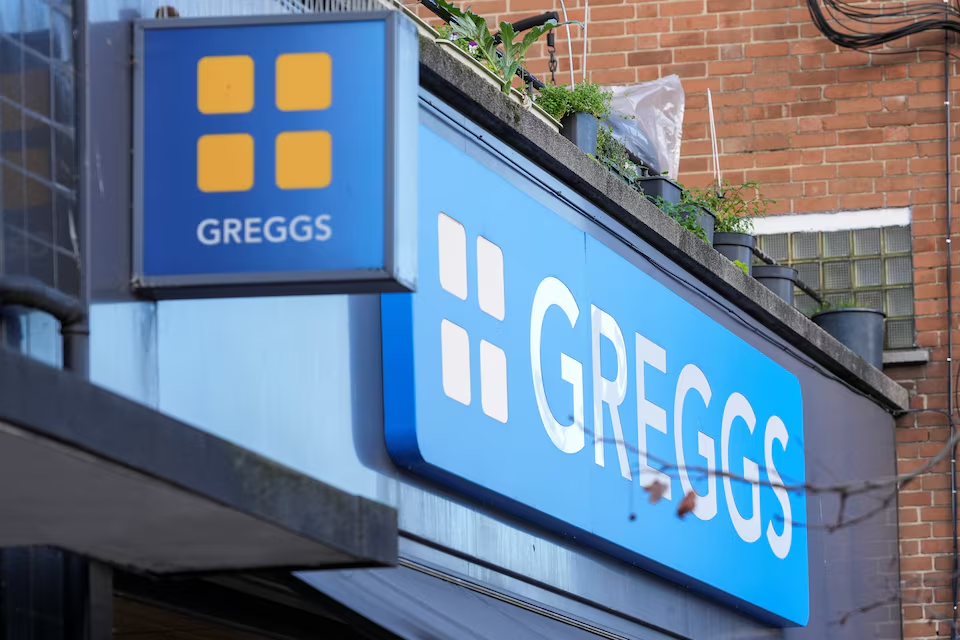
The UK’s largest bakery chain Greggs has reported softer trading as subdued consumer confidence continues to weigh on discretionary spending, underlining the pressures facing high street food retailers despite easing inflation.
Greggs said recent sales growth had slowed as customers became more cautious with everyday purchases, particularly outside peak breakfast and lunchtime periods. While footfall remains relatively resilient, the company noted that shoppers are increasingly value conscious, making fewer impulse buys and carefully managing how often they eat out.
The update reflects a broader trend across the UK retail and hospitality sector. Even as headline inflation has come down from recent highs, households continue to feel squeezed by elevated housing costs, utility bills and interest rates. For many consumers, that has translated into tighter control over non essential spending, including takeaway food and snacks.
Greggs has benefited in recent years from its reputation as an affordable option during the cost of living crisis. Its sausage rolls, bakes and coffee offerings have often been seen as cheaper alternatives to cafes and fast food chains. However, the company acknowledged that even value led businesses are not immune when confidence weakens.
Executives said customers are still visiting shops, but spending per visit has become more restrained. Some shoppers are opting for simpler items rather than full meal deals, while others are reducing the frequency of visits altogether. This shift has been particularly noticeable in the afternoon and early evening, traditionally important trading periods for the chain.
The company also highlighted ongoing cost pressures. Wage increases, higher ingredient costs and investment in new shops continue to weigh on margins. While Greggs has taken steps to manage expenses and improve efficiency, it faces limits on how much of those costs it can absorb without adjusting prices, a move that risks further dampening demand.
Analysts say Greggs’ update is significant because the chain has often been viewed as a bellwether for everyday consumer behaviour. If a brand positioned around value is seeing slower growth, it suggests caution remains deeply embedded in household decision making.
Despite the softer outlook, Greggs said it remains confident in its long term strategy. The company continues to expand its store network, invest in digital ordering and delivery partnerships, and develop its evening food range. Management believes these initiatives will help capture demand when consumer sentiment eventually improves.
However, the near term environment looks challenging. Retail experts warn that confidence is unlikely to recover quickly in 2026, particularly if borrowing costs stay high and economic growth remains modest. In that context, food on the go retailers may face ongoing pressure as consumers prioritise essentials and reduce treat spending.
Greggs’ experience mirrors warnings from other UK retailers that Christmas and early year trading have not delivered a strong rebound in confidence. While shoppers are still spending on necessities, they are doing so with greater caution and less willingness to indulge.
For now, Greggs appears to be navigating the slowdown from a position of relative strength, but the latest update is a reminder that even popular and affordable brands are feeling the effects of a consumer that remains wary, selective and far from ready to spend freely again.