News
Former Premier League Referee David Coote Avoids Jail After Conviction Over Sexual Video Case

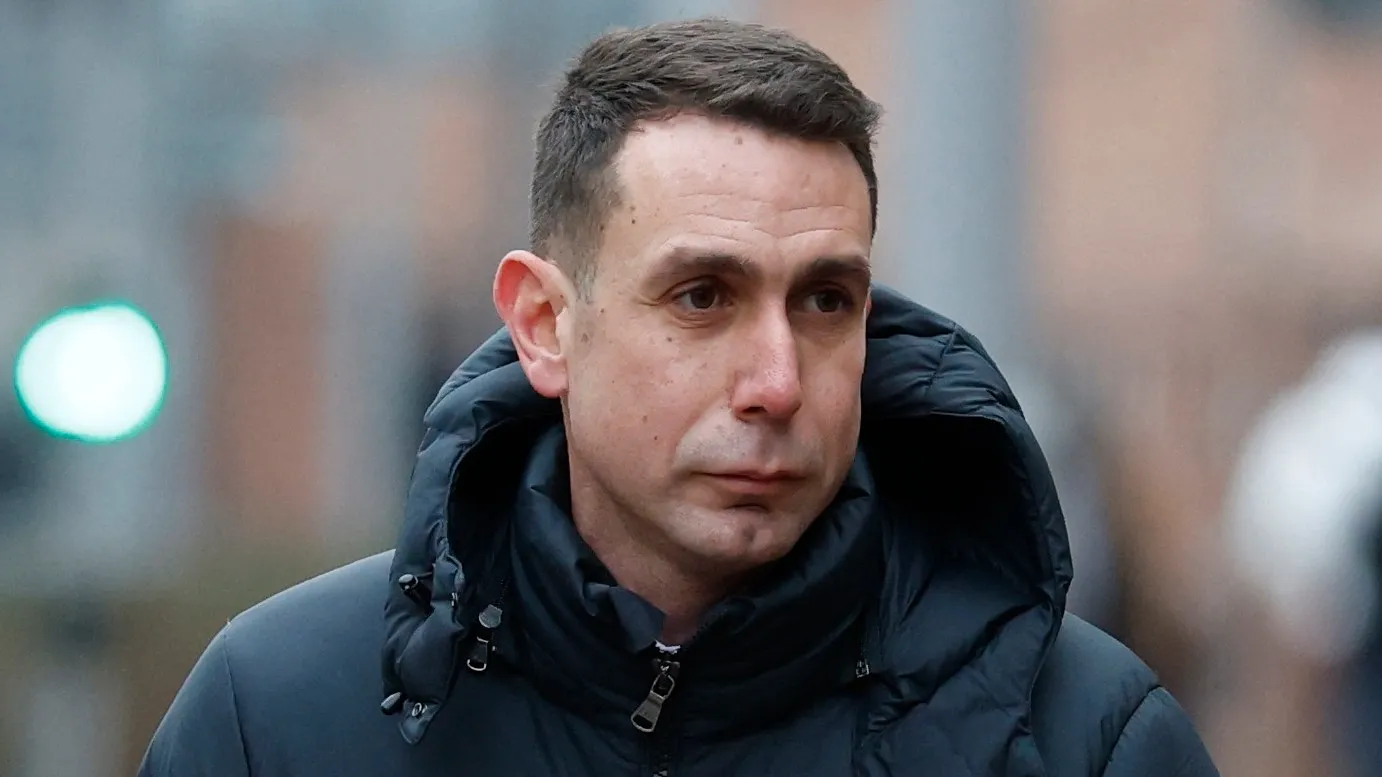
Former Premier League referee David Coote has avoided a prison sentence after being convicted over the possession of a sexual video involving a schoolboy, with a judge telling him he had suffered a “spectacular fall from grace”.
Coote was sentenced at Nottingham Crown Court, where the court heard how his actions marked a dramatic and deeply troubling end to a career that once placed him among the most trusted officials in English football. The judge said Coote had abused his position as a respected public figure and had brought the profession into disrepute.
During the hearing, the court was told that the offence came to light after police uncovered the video during an investigation. Prosecutors said the material involved a school aged boy, making the offence particularly serious. The judge emphasised that the harm caused by such material extends beyond the immediate case, contributing to the wider exploitation of children.
Despite the gravity of the offence, the judge stopped short of imposing a custodial sentence. Instead, Coote was handed a suspended sentence along with strict conditions, including being placed on the sex offenders register and being subject to monitoring and restrictions on his activities. The court noted mitigating factors, including Coote’s previous good character and the severe personal and professional consequences he has already faced.
Addressing Coote directly, the judge said his downfall was stark. From officiating at the highest level of English football, including matches in the Premier League, he had lost his career, reputation and standing in the community. The judge said this loss did not excuse the offence but was relevant when considering the sentence.
Coote, who officiated top flight matches for several seasons, was regarded as a reliable official before his career collapsed following the criminal investigation. He was suspended from refereeing duties and later removed from professional lists, effectively ending his involvement in elite football.
The case has reignited debate about safeguarding and accountability within sport. While there is no suggestion that Coote’s offence was connected to his work as a referee, commentators say the case underlines how public trust can be shattered when those in prominent roles commit serious crimes.
Football authorities have previously said that referees, like players and coaches, are expected to uphold the highest standards of conduct both on and off the field. Coote’s conviction ensures he will never return to professional officiating.
Outside court, there was renewed focus on the need to protect children and to ensure that offences involving sexual material are treated with appropriate seriousness. Victim support groups stressed that even non contact offences can have lasting consequences and contribute to wider harm.
The judge concluded by warning Coote that any further offending would almost certainly result in immediate imprisonment. For now, the sentence allows him to remain in the community under strict supervision, but his career in football is over.