News
Russian Shadow Fleet Tanker Sails Through Channel Under False Name as China Condemns US Ship Seizures

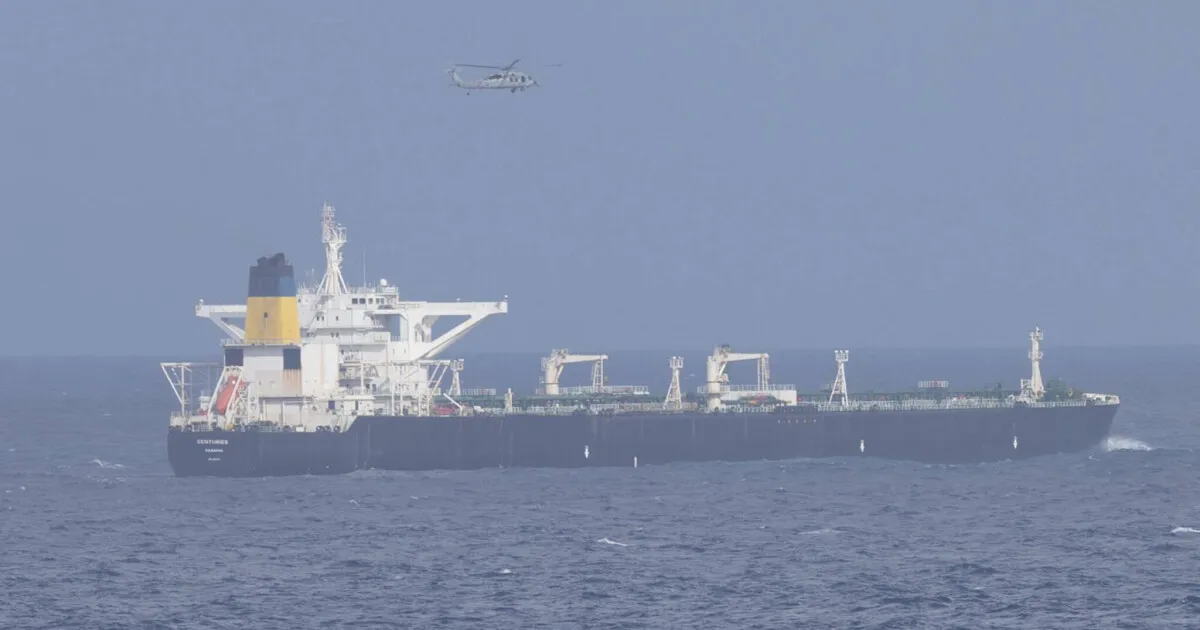
A tanker believed to be part of Russia’s so called shadow fleet has been detected sailing through the English Channel under a false name, adding to growing tensions over maritime enforcement, sanctions and the control of global energy flows. The development comes as China sharply criticised the United States for seizing foreign vessels and as US President Donald Trump suggested Washington could oversee Venezuela’s oil sector for years to come.
Maritime tracking data and shipping analysts say the tanker, linked to Russia’s sanctions evasion network, appears to have altered its identity while transiting one of the world’s busiest and most closely monitored waterways. Such practices are commonly used by vessels moving sanctioned oil, allowing operators to obscure ownership, cargo origin and destination. Western governments have warned that Russia’s shadow fleet has expanded significantly since the start of the Ukraine war, relying on older ships, opaque ownership structures and deceptive tracking methods.
The presence of a suspected shadow fleet vessel in the Channel has raised fresh concerns among European officials about environmental risk and sanctions enforcement. Many of the tankers involved are ageing and poorly insured, increasing the danger of accidents in narrow or congested sea lanes. Authorities have stepped up monitoring but face legal limits on intervention when ships are flagged by third countries and claim to be operating lawfully.
The episode unfolded against a backdrop of escalating maritime disputes. China accused the United States of violating international law after US forces seized multiple oil tankers linked to Venezuelan crude exports. Chinese officials said the actions amounted to unlawful interference in global shipping and warned that unilateral enforcement measures undermine the international maritime order.
Beijing’s criticism reflects broader unease over Washington’s increasingly assertive approach to energy security. US officials have defended the seizures as necessary to enforce sanctions and prevent what they describe as illicit oil trading. The actions are part of a wider effort to exert control over Venezuelan oil sales following political changes in Caracas.
Trump has reinforced that message, saying the United States could remain involved in overseeing Venezuela’s oil sector indefinitely. He framed the move as a way to stabilise production, manage revenues and support economic recovery, while critics argue it represents an unprecedented assertion of control over another country’s natural resources.
For China, which has lent Venezuela billions of dollars through oil backed loans, US dominance over Venezuelan exports threatens both financial interests and broader strategic influence in Latin America. Analysts say Beijing is increasingly vocal because maritime enforcement actions now directly affect its energy security and overseas investments.
The convergence of these issues highlights how shipping lanes have become front lines in global power competition. From the English Channel to the Caribbean, tankers are no longer just commercial assets but instruments of geopolitical leverage. Shadow fleets, ship seizures and contested legal authority are reshaping norms that once governed maritime trade.
Russia’s use of disguised vessels, China’s diplomatic protests and US enforcement operations all point to a more fragmented and confrontational environment at sea. International law, built on flag state responsibility and freedom of navigation, is being tested by sanctions regimes and rival interpretations of legality.
European officials worry that the growing number of deceptive or high risk tankers passing through strategic waterways increases the chance of accidents with serious environmental consequences. At the same time, governments are under pressure to tighten enforcement without triggering diplomatic escalation.
As tensions rise, the movement of a single tanker under a false name has become emblematic of a wider struggle over who controls global energy flows and who sets the rules. With the United States, China and Russia all asserting competing claims, maritime trade is increasingly shaped not just by markets, but by power.