News
Protests Erupt Across US Cities After Woman Killed by Immigration Agent in Minneapolis

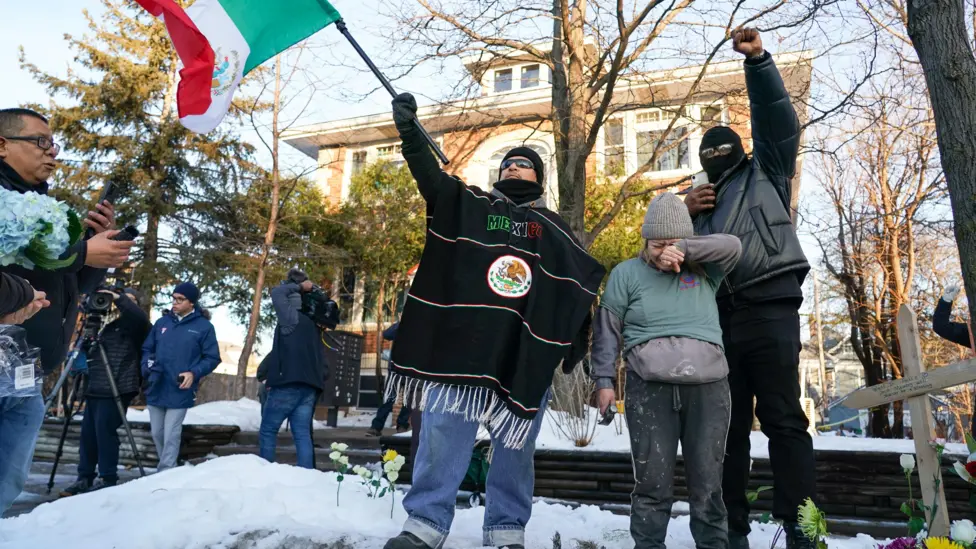
Protests have broken out in several cities across the United States following the fatal shooting of a woman by a federal immigration officer in Minneapolis, an incident that has intensified debate over immigration enforcement tactics and the use of force by federal agents.
The woman, identified by authorities as Renee Nicole Good, was shot dead during an encounter with officers from Immigration and Customs Enforcement in the city of Minneapolis. Federal officials said the 37 year old attempted to run over immigration agents with her vehicle, prompting an officer to open fire in what they described as an act of self defence.
Local leaders have challenged that account. The mayor of Minneapolis said the agent involved had acted recklessly and questioned whether lethal force was justified. Other city officials said initial information suggested Good had been caring for neighbours and was not posing a threat at the time she was shot, adding that she was hit at close range. These conflicting narratives have fuelled anger and calls for an independent investigation.
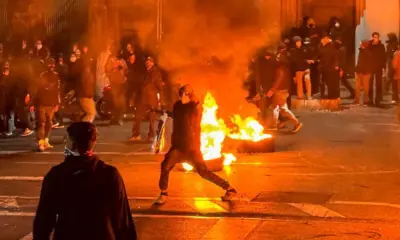
Demonstrations were held in Minneapolis and other US cities, with protesters demanding accountability and greater oversight of federal immigration operations. Many participants carried signs condemning what they described as excessive force and warning that aggressive enforcement tactics are putting civilian lives at risk. Organisers said the protests were not only about one incident but about broader concerns over how immigration laws are being enforced.
The shooting comes amid a significant expansion of federal immigration operations under US President Donald Trump’s administration. Hundreds of ICE agents have been deployed to Minneapolis as part of a wider crackdown on illegal immigration. Federal officials say the increased presence is necessary to enforce the law and address public safety concerns, but critics argue it has heightened tension in communities and increased the likelihood of violent confrontations.
Community leaders in Minnesota said the scale of the deployment has unsettled residents, particularly in neighbourhoods with large immigrant populations. They warned that fear of enforcement actions can discourage people from reporting crimes, seeking medical help or cooperating with local authorities, undermining public safety rather than improving it.
Civil rights groups have called for transparency in the investigation into Good’s death. They argue that when federal agents operate within cities, there must be clear accountability mechanisms and cooperation with local oversight bodies. Some groups have also renewed demands to limit the role of federal immigration agents in local policing matters.
Federal authorities have said the incident is under review and that the officer involved has been placed on administrative leave, a standard procedure following a fatal shooting. They reiterated that agents are trained to use lethal force only when they believe their lives are in immediate danger.
The case has added to a growing list of flashpoints surrounding immigration enforcement in the United States. In recent years, similar incidents have sparked protests and legal challenges, reflecting deep divisions over how immigration policy is implemented on the ground.
As investigations continue, the death of Renee Nicole Good has become a rallying point for critics of current enforcement strategies. For supporters of stricter immigration control, the incident underscores the dangers faced by agents in the field. For opponents, it highlights what they see as the human cost of an increasingly militarised approach to immigration.