Tech
Research challenges expectations around weight loss injections

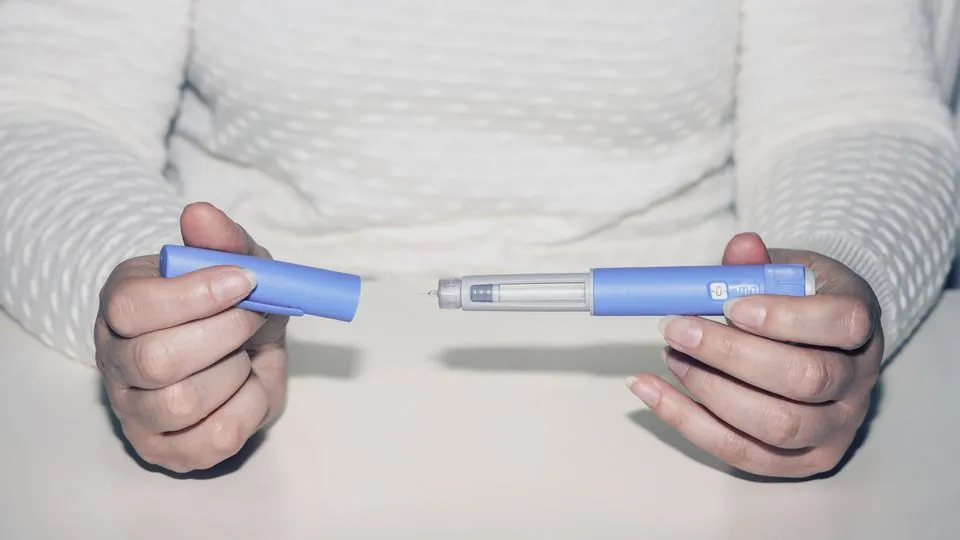
New research suggests that popular weight loss injections such as Mounjaro and Wegovy may need to be taken indefinitely to maintain their benefits. The findings challenge the widespread belief that these medications can be used temporarily to lose weight and then stopped without consequences. Instead, scientists say the drugs appear to manage obesity as a chronic condition rather than curing it.
How the injections work in the body
Both Mounjaro and Wegovy work by altering hormonal signals related to appetite, fullness, and blood sugar regulation. They reduce hunger, slow digestion, and help people feel satisfied with smaller portions. While these effects can lead to significant weight loss, research indicates that once the medication is discontinued, appetite hormones often return to previous levels. As a result, many users begin to regain weight, sometimes rapidly.
Evidence pointing toward long term use
Studies tracking patients after stopping the injections have found that a substantial proportion regain much of the weight they initially lost. Researchers say this rebound effect is not a failure of willpower but a biological response. The body appears to defend its previous weight, pushing appetite and metabolism back toward earlier patterns once the drug is removed. This has led scientists to compare obesity treatment with therapies for conditions like high blood pressure, where medication is often ongoing.
A growing number of users in the UK
Almost two million adults in Britain are estimated to have used weight loss injections in the past year. The overwhelming majority are paying privately, as access through the NHS remains limited and tightly controlled. Private prescriptions can cost hundreds of pounds per month, raising serious questions about affordability if lifelong treatment becomes the norm rather than the exception.
Financial and social implications
If weight loss injections are required indefinitely, the financial burden on individuals could be substantial. Long term private use may be out of reach for many, potentially widening health inequalities. Those who can afford continued treatment may maintain weight loss and associated health benefits, while others may be forced to stop and face weight regain. Public health experts warn that this could create a two tier system in obesity care.
Safety and uncertainty over lifelong treatment
While short and medium term studies suggest the injections are generally safe, data on decades long use is still limited. Some patients experience side effects such as nausea, fatigue, or digestive issues, which may become harder to tolerate over time. Researchers emphasize the need for long term monitoring to understand potential risks, especially if the drugs are taken for many years rather than months.
Shifting how obesity is understood
The findings contribute to a broader shift in how obesity is viewed by the medical community. Rather than being seen purely as a lifestyle issue, it is increasingly treated as a chronic, relapsing condition influenced by genetics, biology, and environment. From this perspective, ongoing medication is not a failure but a management strategy, similar to insulin for diabetes or inhalers for asthma.
What this means for patients considering treatment
For people thinking about starting weight loss injections, the research highlights the importance of informed decision making. Doctors are increasingly advising patients to consider whether they are prepared for long term use and ongoing costs. Lifestyle changes such as diet and physical activity remain important, but evidence suggests they may not fully replace the effects of medication once treatment stops.
A policy debate likely to intensify
As demand grows and evidence evolves, pressure is likely to mount on policymakers to decide whether wider public funding is justified. The question facing health systems is not just whether the drugs work, but whether long term access is sustainable and equitable. The research makes clear that weight loss injections are powerful tools, but they may represent a lifelong commitment rather than a temporary solution.