News
Japanese Nuclear Worker Loses Phone With Sensitive Security Data While in China

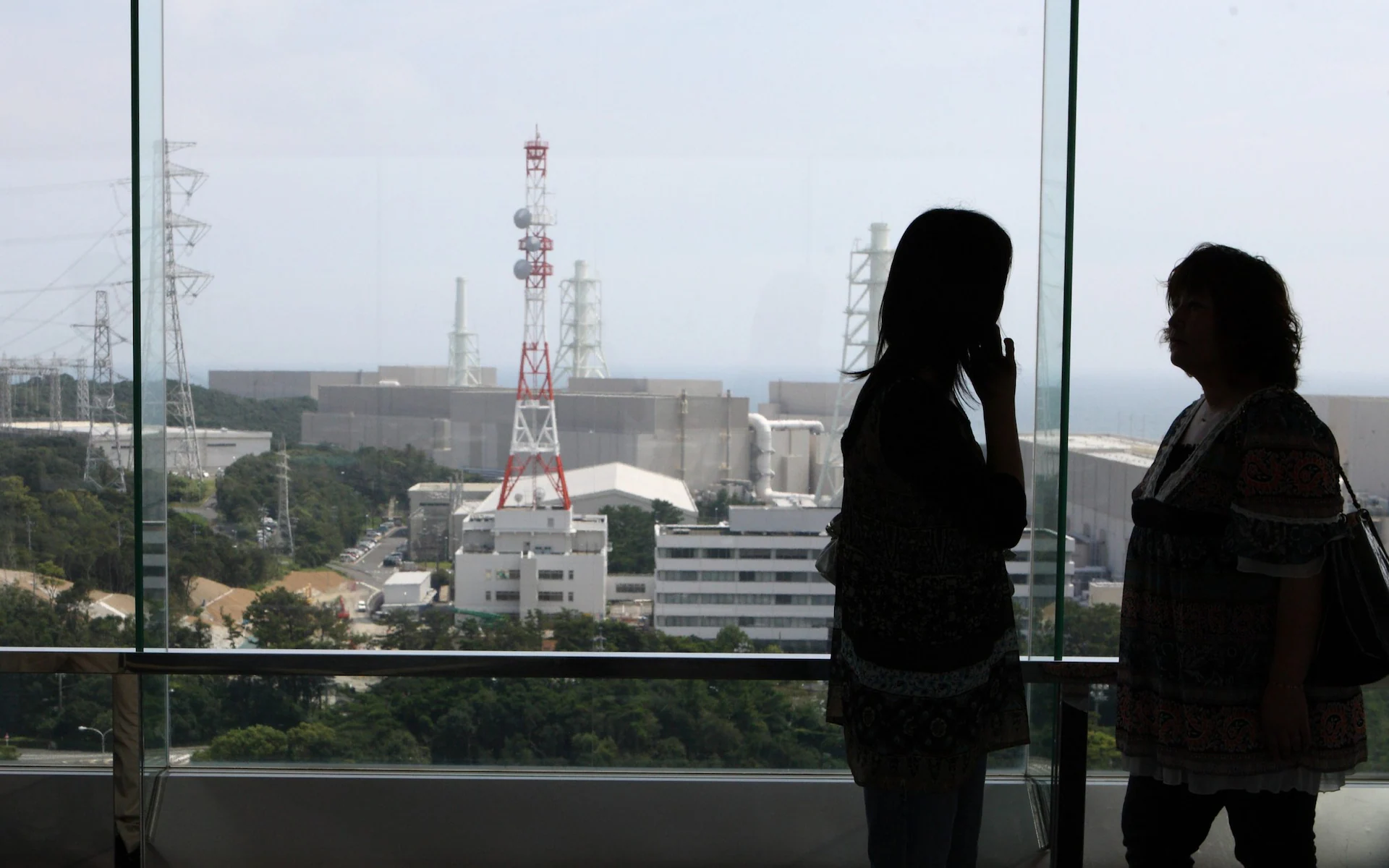
Japanese authorities are investigating a serious security lapse after a nuclear industry worker lost a mobile phone in China that contained highly sensitive information related to the protection of atomic materials. The incident has raised concerns about data handling practices and the potential risks to personnel involved in safeguarding nuclear facilities.
According to officials, the device belonged to an employee working in Japan’s nuclear sector and included contact details of staff responsible for protecting nuclear materials from theft, sabotage and terrorism. While the phone did not reportedly contain classified technical data about nuclear facilities themselves, the personal information it held is considered highly sensitive due to the nature of the work carried out by those listed.
The loss occurred during the worker’s stay in China, though authorities have not disclosed the exact location or circumstances in which the phone went missing. It remains unclear whether the device has been recovered or whether its contents were accessed by third parties. Japanese officials said an internal review is under way to assess potential risks and determine whether additional protective measures are required.
The incident has prompted scrutiny of information security protocols within Japan’s nuclear industry. Workers involved in nuclear material protection are subject to strict confidentiality rules, as their identities and contact details could be exploited by criminal or extremist groups seeking to target sensitive sites or personnel.
Japan’s nuclear safety framework has been under intense public and political scrutiny for years, particularly after the Fukushima disaster. While this incident is not linked to plant operations or radiation safety, experts say it underscores how human error and digital vulnerabilities can create security exposure even outside formal facilities.
Officials stressed that there is currently no indication that nuclear materials have been compromised or that staff are facing immediate threats. However, they acknowledged that the loss of such information overseas presents a unique challenge, as authorities have limited visibility into how lost devices may be handled or examined in another jurisdiction.
Security analysts say mobile devices represent a growing weak point in sensitive industries. Smartphones often store contact lists, emails and internal messaging data that can reveal organisational structures and operational roles. Even without classified files, metadata alone can be valuable to hostile actors.
The case has also drawn attention to the risks associated with international travel by personnel linked to critical infrastructure. Many organisations require staff to use specially configured devices when travelling abroad, or to avoid carrying sensitive information altogether. It is not yet known whether such measures were in place in this instance.
Japan’s government has said it is coordinating with the relevant employer to review training and compliance procedures. The aim is to ensure that employees fully understand the risks associated with carrying work related data on personal or standard issue devices, particularly when travelling overseas.
While China has not commented on the incident, the loss of the phone there adds a layer of diplomatic sensitivity given ongoing regional tensions and concerns about espionage. Japanese officials have avoided speculation, saying the focus remains on internal accountability and risk mitigation.
The episode serves as a reminder that security threats do not always come from sophisticated cyber attacks or physical breaches. Simple lapses, such as a misplaced phone, can carry serious implications when sensitive roles and information are involved.
As the investigation continues, authorities are expected to reinforce guidance on data minimisation, device security and travel protocols for workers involved in critical national infrastructure. The goal, officials say, is to prevent similar incidents and ensure that the protection of nuclear materials is not undermined by avoidable digital risks.