News
Venezuela’s Interim Leader Removes Head of Presidential Guard After Maduro Seizure

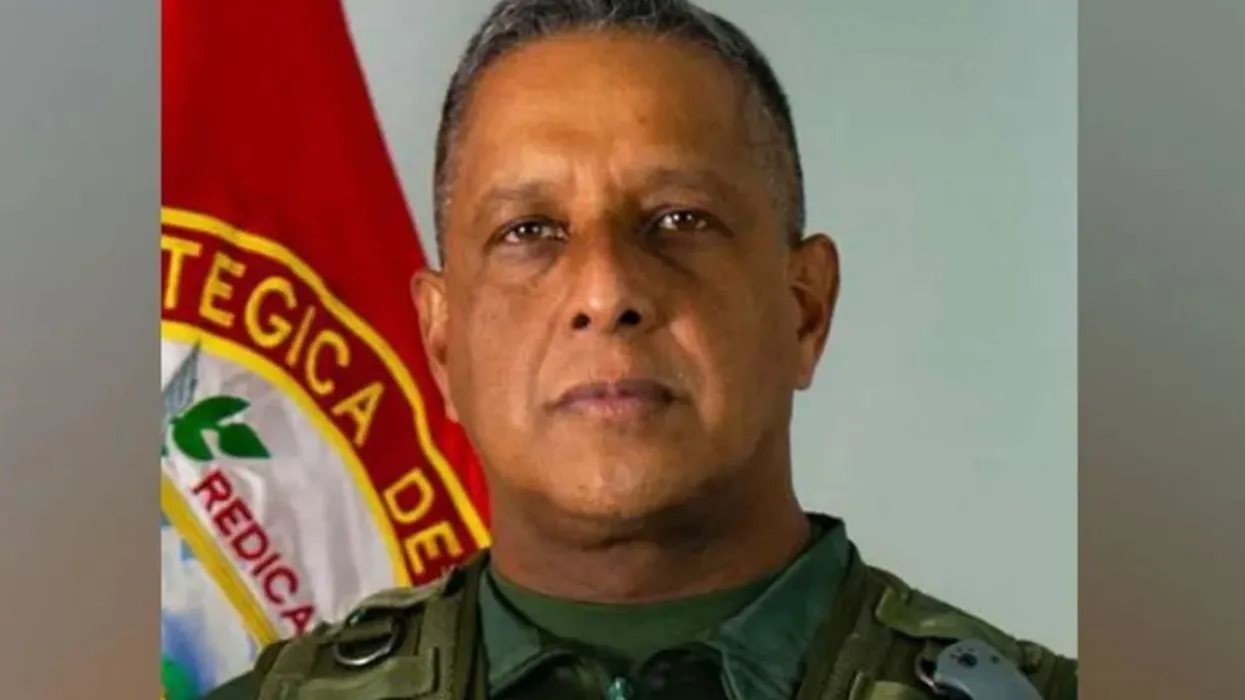
Venezuela’s interim leadership has dismissed the general in charge of the country’s presidential honour guard, a move that underscores the rapid reshaping of power structures following the dramatic seizure of Nicolás Maduro by US forces in Caracas.
General Javier Marcano Tábata, who commanded the presidential honour guard responsible for protecting the head of state, was removed from his post just days after Maduro was taken to the United States to face narco terrorism charges. The dismissal was announced without a detailed explanation, but it comes amid heightened scrutiny of security failures surrounding the operation that led to Maduro’s capture.
The presidential honour guard is an elite military unit tasked with safeguarding the president and key government sites. Its role places it at the heart of state power, making any leadership change politically sensitive. Analysts say the sacking of its commander signals an effort by the interim authorities to reassert control over the security apparatus and distance themselves from figures associated with the previous administration.
Maduro’s seizure marked an unprecedented moment in Venezuela’s modern history. The US led operation, carried out in the capital, resulted in dozens of deaths, according to unofficial estimates, though authorities have not released a full casualty breakdown. Members of the presidential honour guard are believed to be among those killed during clashes linked to the raid.
The interim government has so far been cautious in its public messaging, focusing on restoring order and preventing internal fractures. Removing the head of the honour guard may be intended to reassure both domestic and international audiences that the leadership is addressing vulnerabilities exposed by the operation.
Security analysts note that presidential guards are often deeply loyal to the leaders they protect, sometimes forming parallel power centres within the military. In Venezuela, where politics and the armed forces have been closely intertwined for decades, such units have played a critical role in maintaining regime stability. The dismissal of Marcano Tábata could therefore have wider implications for military cohesion.
Supporters of the interim leadership argue that accountability is necessary after such a significant breach. They contend that a failure to prevent the seizure of the former president raises serious questions about command effectiveness and intelligence coordination. Critics, however, warn that rapid purges within the security forces could provoke resentment or destabilise already fragile institutions.
The move also reflects broader uncertainty within the ranks. With Maduro gone, loyalties are being tested, and officers once closely aligned with the former leadership may now find their positions precarious. Some observers believe the interim authorities are acting quickly to prevent any counter moves or internal dissent.
Public reaction has been mixed. Some Venezuelans view the sacking as a necessary step toward reform and accountability. Others fear it may signal the start of a wider crackdown that could deepen fear and instability at a time when the country is already under strain.
Internationally, the development will be closely watched. Foreign governments and organisations are assessing whether the interim leadership can maintain control, avoid internal conflict and steer the country toward a clearer political transition.
For now, the removal of the general in charge of the presidential honour guard highlights how Venezuela’s power structures are being rapidly rewritten in the wake of Maduro’s seizure. Whether these changes lead to greater stability or further turbulence remains uncertain.