Latest News
‘Fear in the Streets’ as Venezuelans Weigh Hope and Uncertainty After Maduro’s Seizure

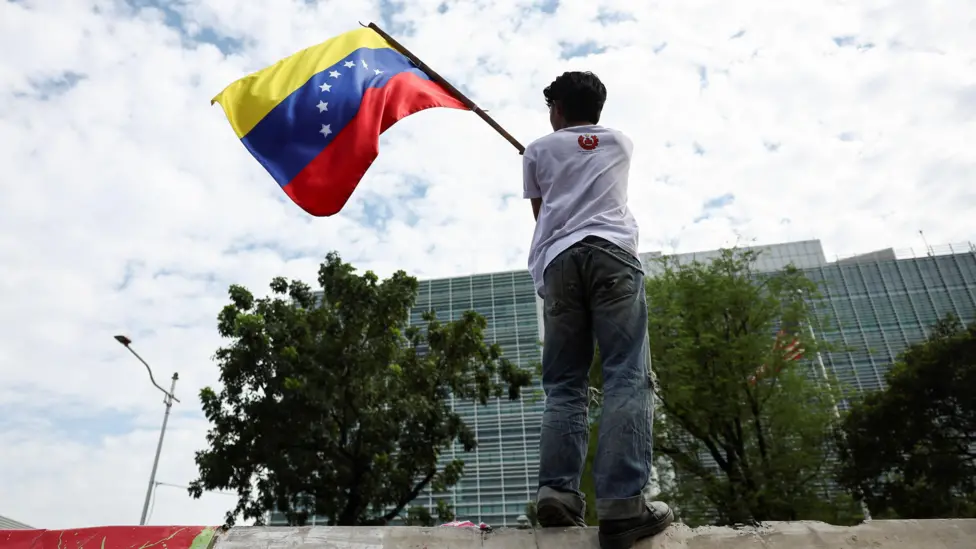
In the days following the seizure of Nicolás Maduro, a tense calm has settled over Venezuela, with many citizens unsure whether the dramatic turn of events will lead to lasting change or renewed instability. Across cities and towns, hope and anxiety exist side by side, shaping daily behaviour in subtle but telling ways.
In Caracas, celebrations have been muted. Marcelo, a university student, says many people welcomed Maduro’s removal but are reluctant to express that sentiment openly. He explained that allies of the former government still hold positions of power, creating fear of retaliation. While he believes most Venezuelans are relieved, he said caution now defines public life, with emotions carefully hidden behind closed doors.
Marcelo’s hesitation reflects a broader mood. Interviews conducted by international media suggest that many opponents of Maduro’s rule are avoiding public gatherings, protests or visible celebrations. Several residents who spoke about recent events asked to remain anonymous, citing concerns for their personal safety and that of their families.
Years of political repression have shaped these instincts. Under Maduro’s leadership, security forces and intelligence services were widely accused of monitoring dissent, detaining critics and suppressing demonstrations. Even with Maduro no longer in control, many Venezuelans fear that loyalists embedded in institutions could still exert influence.
At the same time, uncertainty dominates conversations about the future. Some residents hope the seizure will open a path toward democratic reform, economic stabilisation and the return of millions who fled the country. Others worry that a power vacuum or internal struggles could trigger further violence or deepen chaos.
Economic hardship remains a daily reality. Inflation, low wages and unreliable public services continue to affect nearly every household. For many Venezuelans, political change matters most if it leads to tangible improvements in food availability, healthcare and employment. Without clear signs of economic relief, optimism risks fading quickly.
There is also confusion over who now truly holds authority. While announcements have been made at the national level, local governance often depends on entrenched networks that do not change overnight. Residents say this ambiguity fuels fear, as rules and loyalties appear fluid and unpredictable.
In working class neighbourhoods, people report an increased security presence, though it remains unclear whether forces are acting under new command structures or operating independently. Some interpret this as reassurance, while others see it as a reminder that coercive power has not disappeared.
Social media has become both an outlet and a risk. Messages celebrating Maduro’s fall circulate widely, but many users limit visibility or avoid posting altogether. Screenshots and forwarded messages have replaced street demonstrations as safer ways to share opinions.
Analysts note that Venezuela has experienced moments of apparent political turning points before, only for expectations to be dashed. This history explains why joy is restrained and trust scarce. The population has learned to wait for actions rather than promises.
For now, daily life continues under a cloud of uncertainty. Shops open, buses run and students attend classes, but conversations are hushed and careful. Fear has not vanished, even as hope quietly grows.