
Entertainment
How an indie film about trauma became South Korea’s movie of the year

An unexpected breakout from the indie margins
Until recently, Yoon Ga-eun was largely unknown outside independent film circles in South Korea. That changed dramatically when her latest film, The World of Love, began attracting extraordinary attention from critics and audiences alike. What started as a modest indie release evolved into a cultural talking point, eventually being described by Korean media as the movie of the year.
Speaking in Seoul late last year, Yoon admitted the response still felt unreal. Rather than excitement alone, she described a mixture of gratitude and fear, a reflection of how suddenly her work had entered the national spotlight. For a filmmaker accustomed to small audiences and limited distribution, the scale of recognition marked a profound shift.
A story that looks beyond the crime
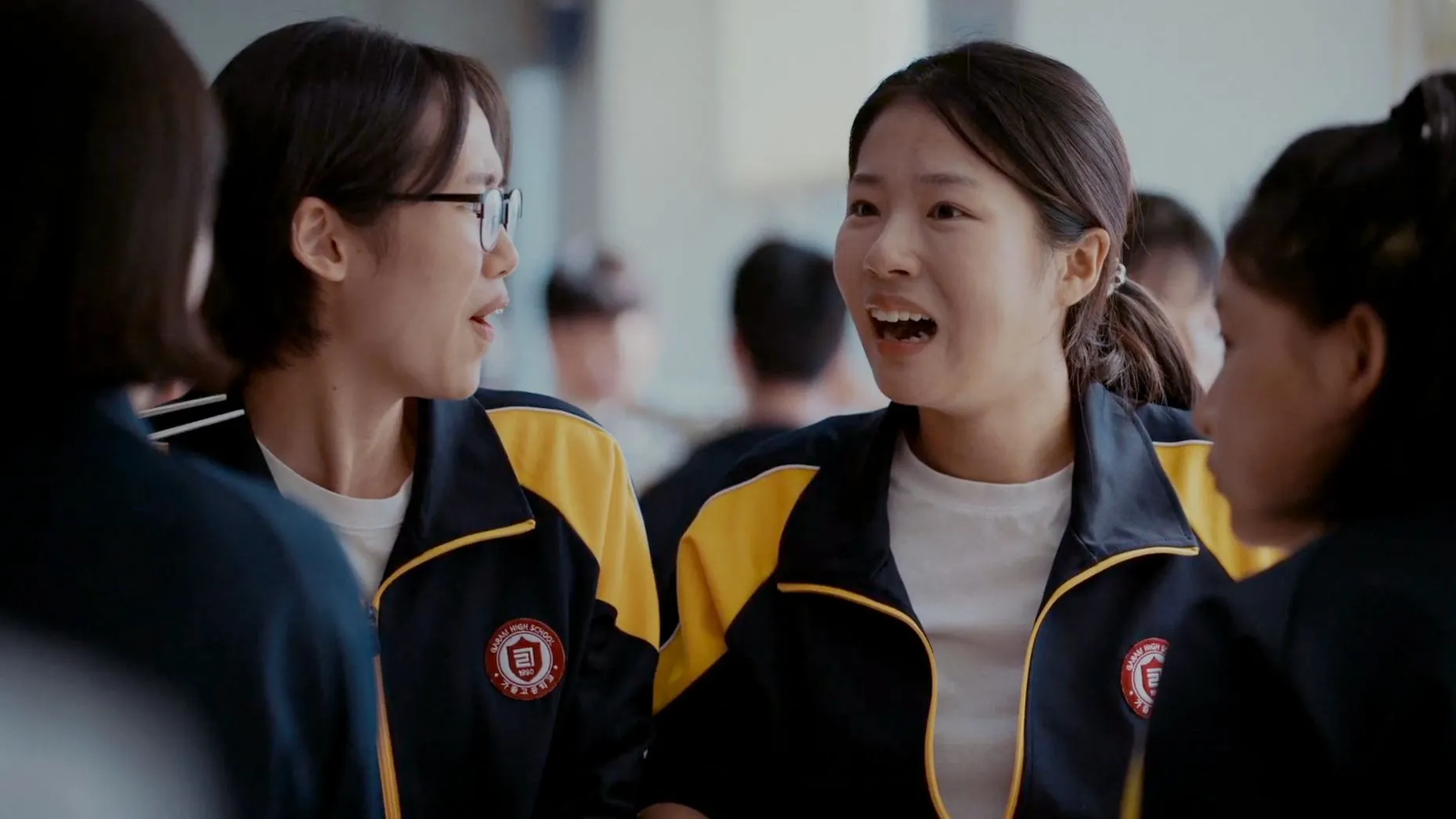
At the heart of The World of Love is Joo in, a high school student who survived sexual violence. Unlike many films that centre on the crime itself, Yoon deliberately avoids recreating the traumatic event. Instead, the film focuses on what comes after. Viewers follow Joo in through school corridors, family dinners, tentative romance, and friendships that shift under the weight of unspoken pain.
This choice is central to why the film resonated so deeply. Trauma is not presented as a single defining moment, but as something that quietly reshapes everyday life. Conflict and joy exist side by side, reflecting a reality many survivors recognise. By resisting sensationalism, the film allows empathy to develop naturally, inviting audiences to sit with Joo in moments of normalcy as well as struggle.
Why the film struck a national nerve
South Korean audiences are no strangers to serious cinema, but The World of Love arrived at a moment when conversations about trauma, consent, and emotional recovery are becoming more visible. Rather than offering clear resolutions or dramatic confrontations, the film trusts viewers to engage with ambiguity. Healing is shown as uneven and ongoing, not as a tidy narrative arc.
Critics have pointed to the film’s restraint as its greatest strength. The camera lingers on small gestures and quiet expressions, allowing emotion to surface without instruction. For many viewers, this approach felt honest in a way that more overtly dramatic portrayals often do not.
The power of empathy over spectacle
Yoon Ga eun’s direction reflects a broader philosophy about storytelling. By centring empathy rather than shock, she challenges assumptions about how stories of violence should be told. The absence of graphic detail does not lessen the seriousness of the subject. Instead, it shifts attention to the long term impact on identity, relationships, and self worth.
This perspective has earned praise not only from critics but also from educators and advocacy groups, who see the film as a tool for understanding trauma without retraumatising audiences. It demonstrates how cinema can address painful realities while still offering space for reflection and care.
A milestone for independent Korean cinema
The success of The World of Love is also significant for South Korea’s independent film scene. Competing against big budget productions and global franchises, an intimate, character driven story rising to national prominence sends a powerful signal. It suggests there is still strong appetite for films that prioritise emotional truth over spectacle.
For Yoon, the recognition brings both opportunity and pressure. Her candid admission of feeling scared speaks to the weight of expectation now attached to her work. Yet it also underscores the film’s authenticity. The same sensitivity that shaped The World of Love is likely what allowed it to connect so widely.
Why the film will endure
Calling The World of Love the movie of the year reflects more than box office success or critical acclaim. It acknowledges a film that captured something quietly profound about contemporary life and resilience. By focusing on living after trauma rather than the trauma itself, Yoon Ga eun has created a story that lingers long after the credits roll, one that many viewers see not just as a film, but as an act of understanding.



