Entertainment
How Geese became Gen Z’s defining American rock band

A band that nearly never happened
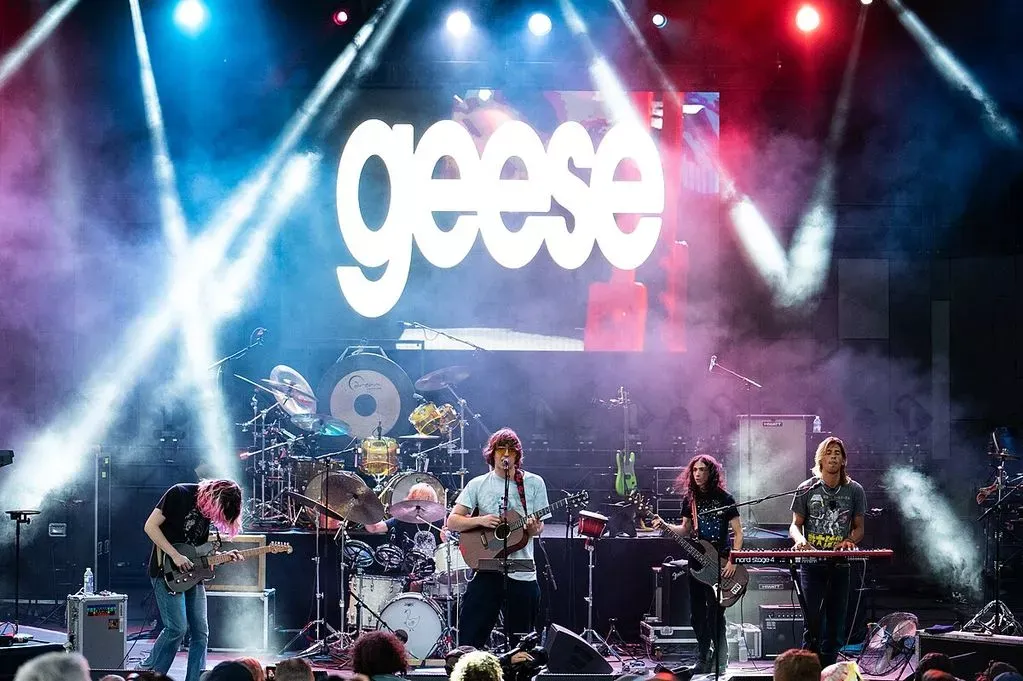
Geese are often described as Gen Z’s first great American rock band, a label that speaks as much to timing as it does to talent. The Brooklyn based group formed while still in high school, playing together more out of friendship than ambition. Like many teenage bands, they fully expected to drift apart once college arrived. Music was meaningful, but it was not yet a career plan. That changed quickly when a handful of early demos began circulating online, drawing unexpected attention from record labels.
What followed was a sudden and surreal shift. During the first Covid lockdown in April 2020, while much of the world stood still, Geese found themselves fielding a wave of video calls from industry executives. Frontman Cameron Winter later reflected that it was probably the best month imaginable under the circumstances. Instead of breaking up, the band committed to each other, choosing to see where the momentum might lead.
Growing fast without losing identity
Since 2021, Geese have released three albums at a pace that would challenge even established artists. Rather than sounding rushed or unfocused, each release has shown a band sharpening its instincts. Their music blends sharp guitar lines, unpredictable structures, and a restless energy that feels rooted in classic American rock while refusing to be nostalgic. The band’s youth is audible, but so is their discipline, a balance that has helped them stand out in a crowded indie landscape.
What makes Geese compelling is not just technical ability, but personality. Their songs often feel volatile and slightly unhinged, veering between melody and chaos. This unpredictability has resonated with younger listeners who are drawn to music that feels alive rather than overproduced. At the same time, older audiences hear echoes of past rock traditions, creating a rare cross generational appeal.
The album that changed everything
While Geese had already built a solid reputation, it was their 2025 album Getting Killed that pushed them into wider recognition. The record received attention across the BBC spectrum, from Radio 1 listeners to long time 6 Music supporters. Its raw intensity and refusal to play safe marked a turning point, positioning Geese as more than an exciting young band.
The album was born out of a series of experimental jam sessions in Los Angeles, recorded in just ten days with producer Kenneth Blume, better known as Kenny Beats. Rather than meticulously planning each track, the band leaned into spontaneity, capturing performances that feel urgent and sometimes confrontational. The result is a record that sounds both carefully crafted and on the verge of collapse, a combination that has drawn critical praise.
Why Geese resonate with Gen Z
Geese’s rise reflects broader shifts in how younger audiences engage with rock music. For a generation raised on streaming algorithms and genre blending, rigid definitions matter less than authenticity. Geese do not present a polished image or chase trends. Their appeal lies in honesty, intensity, and a sense that the music could go anywhere at any moment.
Their story also mirrors the uncertainty faced by many young people coming of age during global disruption. Forming a band in high school, nearly breaking up, then finding success during lockdowns gives their journey a narrative that feels deeply contemporary. Listeners hear that tension in the music, a push and pull between control and collapse.
A future that feels wide open
Calling Geese Gen Z’s first great American rock band is as much a statement of possibility as achievement. They have not been around long enough to define an era, but they have shown the ambition and unpredictability needed to try. If their early years are any indication, Geese are less interested in fitting neatly into rock history than in bending it to their own restless vision.