Business
Older drivers to undergo regular eye tests under proposed UK road safety reforms


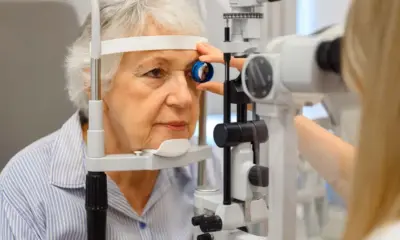
Drivers aged 70 and above are set to face mandatory vision checks every three years under proposed changes to driving laws in Britain. The measures form part of a wider road safety strategy due to be published by the government, reflecting growing concern about the risks posed by age related declines in eyesight and reaction times. The proposal would mark a significant shift from the current system, where older drivers are required to self certify that they meet vision standards when renewing their licence.
According to official figures, nearly one in four car drivers killed on UK roads in 2024 were aged 70 or older. While age alone is not considered a cause of unsafe driving, policymakers argue that regular eye tests could help identify problems earlier and reduce the likelihood of serious accidents involving older motorists.
Why eyesight has become a focus
Vision plays a critical role in safe driving, affecting everything from reading road signs to reacting to sudden hazards. As people age, eyesight can deteriorate gradually, sometimes without the individual fully noticing the extent of the change. Conditions such as cataracts, glaucoma, and macular degeneration are more common in later life and can significantly impair driving ability if left uncorrected.
Under current rules set by the Driver and Vehicle Licensing Agency, drivers must be able to read a standard number plate from 20 metres away. However, enforcement largely relies on self reporting, which critics say places too much responsibility on individuals rather than on regular, objective testing.
Part of a broader road safety strategy
The proposed eye test requirement is only one element of a broader package of road safety reforms. The government is also considering lowering the legal drink driving limit in England to match the stricter threshold already in place in Scotland. Another proposal would see penalty points introduced for drivers who fail to wear seatbelts, a move aimed at improving compliance and reducing serious injuries in collisions.
Together, these measures signal a tougher stance on road safety, with ministers arguing that incremental changes across multiple areas can collectively save lives. The strategy reflects mounting pressure on policymakers to address road deaths, which have remained stubbornly high in certain age groups despite advances in vehicle safety technology.
Balancing safety and independence
One of the most sensitive aspects of the proposed reforms is their impact on older people’s independence. For many, driving is closely linked to quality of life, particularly in rural areas where public transport options are limited. Campaigners for older motorists have warned that new testing requirements must be implemented carefully to avoid unfairly penalising capable drivers.
Supporters of the changes counter that regular eye tests are relatively simple, non invasive, and already common in other areas of healthcare. They argue that ensuring drivers can see clearly is a reasonable expectation and ultimately protects both older motorists and other road users.
What happens next
The proposals will be outlined in full when the government publishes its road safety strategy. If approved, legislation would be required before the new rules come into force. This would likely involve consultation with medical professionals, road safety groups, and representatives of older drivers to refine how the tests are administered.
As Britain’s population continues to age, the debate over how to balance personal freedom with public safety is likely to intensify. Regular vision checks may become an increasingly accepted part of driving later in life, reflecting changing attitudes toward ageing and road safety.