News
At least 29 reported killed as protests spread across Iran

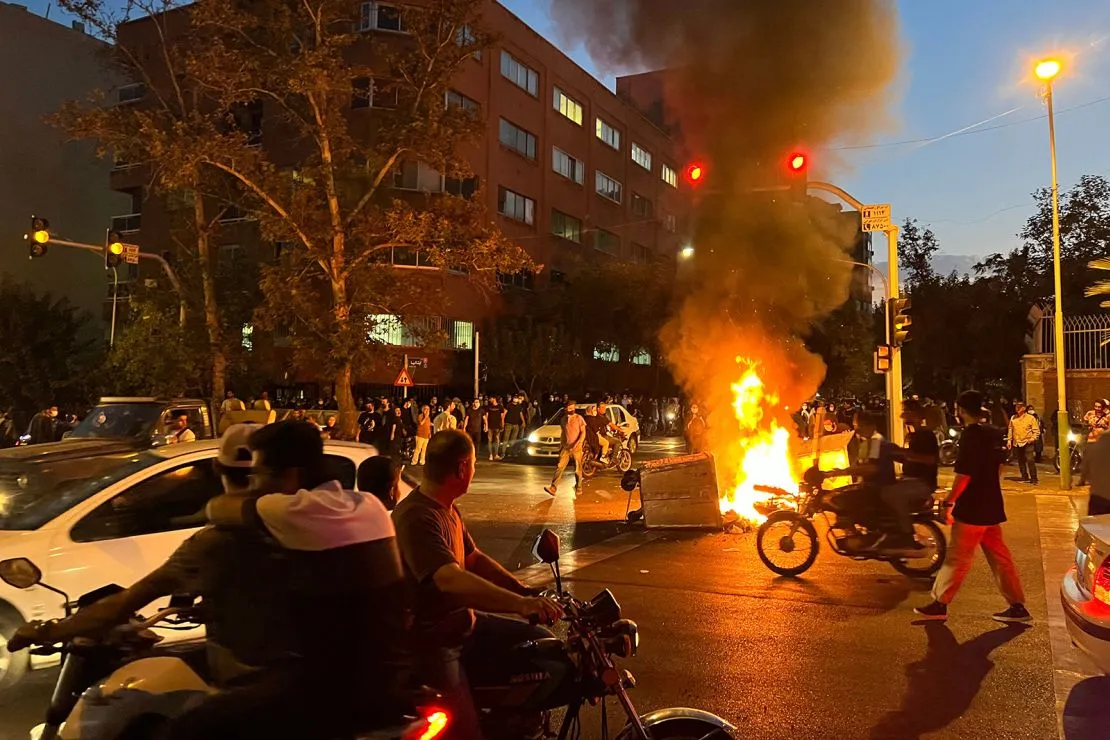
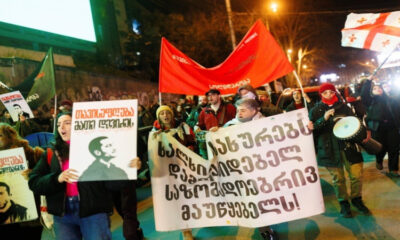
At least 29 people have been killed during the past ten days of protests across Iran, according to figures released by a human rights monitoring group, as unrest driven by economic hardship continues to spread nationwide. The toll highlights the growing intensity of demonstrations that have erupted in cities and towns across much of the country, placing increasing pressure on Iranian authorities.
The foreign based Human Rights Activists News Agency said that among the confirmed deaths were two individuals affiliated with Iranian security forces. The group added that at least 64 protesters had been injured and around 1,200 people arrested since demonstrations began. Iranian authorities have not issued an official death toll or provided comprehensive figures on arrests and injuries.
The protests were sparked by worsening economic conditions, including rising prices, currency instability and growing unemployment. Demonstrators in multiple locations have voiced frustration over the cost of living and what they see as the government’s inability to address everyday economic pressures. Slogans and videos shared on social media suggest that anger has extended beyond economic grievances to broader dissatisfaction with governance.
According to HRANA, unrest has now been recorded in 27 of Iran’s 31 provinces, indicating an unusually wide geographic spread. Protests have taken place in major cities as well as smaller towns, making it more difficult for authorities to contain demonstrations through localised security measures. Observers say the scale of participation reflects deep rooted economic stress affecting large segments of the population.
Iranian officials have acknowledged unrest in some areas but have framed the protests as limited in scope, blaming foreign actors and social media for inflaming tensions. State media has focused on damage to property and clashes involving security forces, while offering little detail about casualties among protesters. The absence of official figures has left human rights groups and independent observers as the primary sources of information.
Security forces have responded with a visible presence on streets, including riot police and paramilitary units. Witnesses describe checkpoints, internet disruptions and the use of force to disperse crowds in some areas. Authorities have repeatedly warned that illegal gatherings will not be tolerated, emphasising the need to maintain public order.
The current unrest comes against a backdrop of prolonged economic strain caused by sanctions, inflation and reduced purchasing power. Many Iranians say wages have failed to keep pace with rising prices for basic goods such as food, fuel and housing. Economists warn that without meaningful relief, public frustration is likely to persist.
Human rights organisations have urged Iranian authorities to exercise restraint and allow peaceful expression of dissent. They have also called for transparency regarding arrests and fatalities, stressing the importance of accountability. Families of those detained or killed have reported difficulties obtaining information, adding to tensions and uncertainty.
International reaction has been cautious, with some governments expressing concern over the loss of life while avoiding direct confrontation. Analysts say Tehran is likely to remain sensitive to external criticism, viewing it as interference in domestic affairs.
As protests enter their second week, the situation remains volatile. Much will depend on whether authorities move to address economic grievances or continue to rely primarily on security measures. For many Iranians, the demonstrations reflect not a single trigger but accumulated frustration over years of economic hardship and limited prospects for improvement.