Latest News
More ice and snow warnings issued after weather forces closure of over 1,000 UK schools

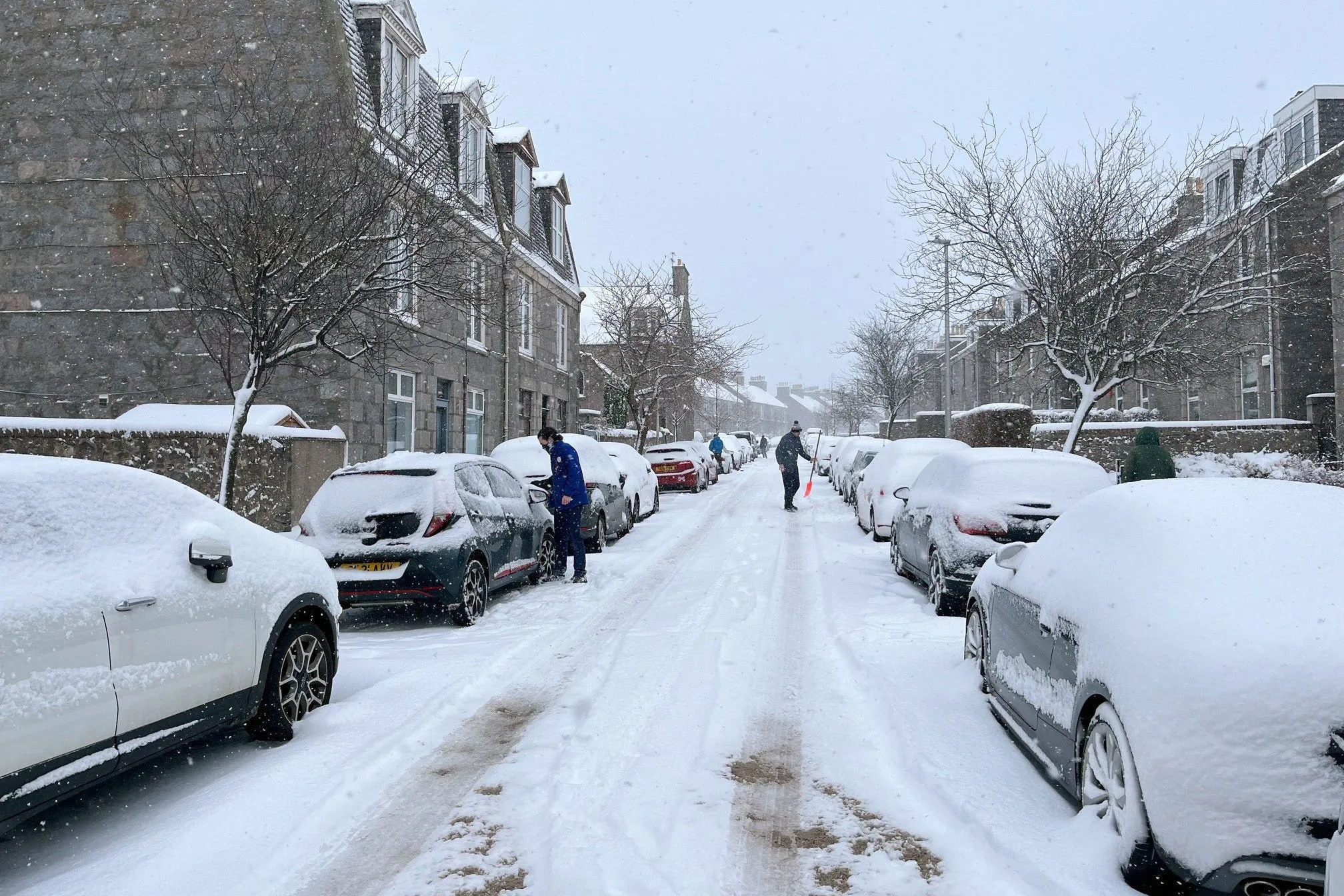
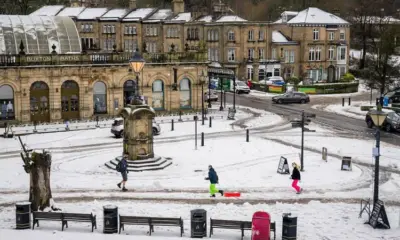
Fresh ice and snow warnings have been issued across parts of the United Kingdom after severe winter weather forced more than 1,000 schools to close, disrupting travel, public services and daily life for millions. Forecasters warn that conditions remain hazardous, with freezing temperatures expected to persist and further snowfall possible in several regions.
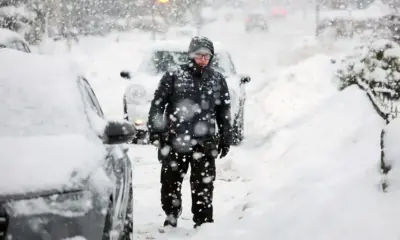
The Met Office said icy surfaces and snow accumulation pose ongoing risks, particularly during early morning and overnight hours. Yellow warnings remain in place for large parts of England, Wales and Scotland, with some areas experiencing temperatures well below seasonal averages. Motorists have been urged to avoid unnecessary travel, while pedestrians have been advised to take extra care on untreated pavements.
Local authorities confirmed that school closures were concentrated in rural and high altitude areas, where gritting has been less effective and access routes remain dangerous. Head teachers said decisions were made to protect pupils and staff, especially where school transport services could not operate safely. In some cases, schools that remained open reported very low attendance due to travel difficulties.
Transport networks have also been affected. Several rail services reported delays and cancellations due to frozen points and ice on tracks, while road conditions deteriorated rapidly in areas hit by overnight snowfall. Emergency services said they responded to a rise in weather related incidents, including road accidents and slips and falls.
Health officials have warned that icy conditions increase the risk of injury, particularly for older people and those with mobility issues. Hospitals in some regions reported higher numbers of patients with fractures and sprains. Authorities have encouraged communities to check on vulnerable neighbours and ensure access to heating and essential supplies.
The cold spell has also placed pressure on energy systems. With households relying more heavily on heating, energy providers have urged consumers to use power responsibly and to check boilers and insulation. Charities supporting the homeless have expanded emergency shelter provision, as overnight temperatures dropped to levels considered dangerous for those sleeping rough.
Meteorologists say the current conditions are being driven by a cold air mass moving across the UK, combined with lingering moisture that is freezing on contact with surfaces. While the most disruptive snowfall may ease in some areas, forecasters warn that thawing during the day followed by refreezing at night could prolong icy conditions for several days.
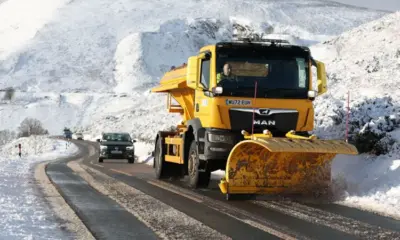
Government officials said they are monitoring the situation closely and working with local councils to ensure roads are treated and essential services maintained. Parents have been advised to check school websites and local authority updates before travelling, as closures may change at short notice.
The weather disruption has reignited debate about preparedness for winter extremes, particularly as climate patterns become more volatile. While the UK is accustomed to cold spells, critics argue that repeated closures and transport problems highlight weaknesses in local resilience planning.
For now, officials say caution remains essential. With more ice and snow warnings in force, communities are being urged to stay informed, allow extra time for journeys and prioritise safety until conditions improve.