News
Denmark warns forceful US move on Greenland would spell end of Nato

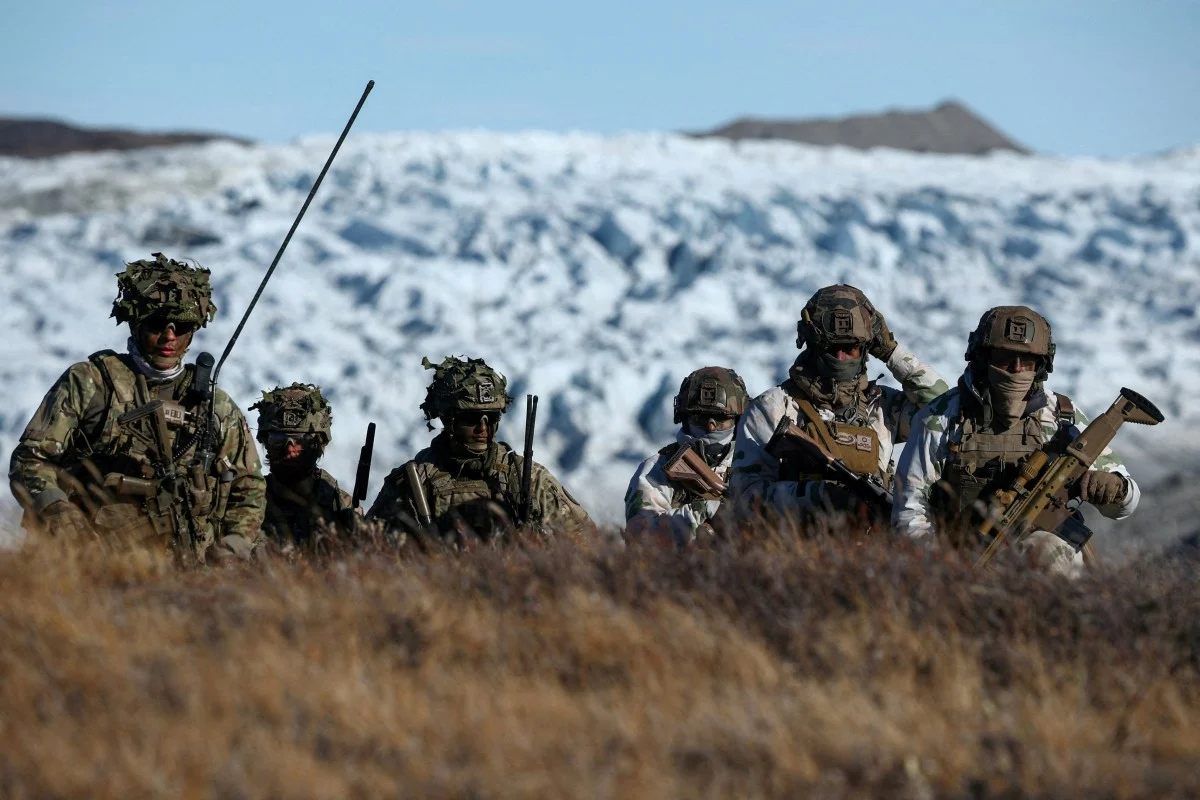
Denmark has issued a stark warning that any attempt by the United States to take control of Greenland by military force would effectively mark the end of the transatlantic alliance, underscoring growing unease in Europe over rhetoric surrounding strategic territories. The comments reflect rising sensitivity around Arctic security as geopolitical competition intensifies in the region.
Denmark’s prime minister Mette Frederiksen said that a military attack on Greenland would be unacceptable and incompatible with the principles underpinning Nato. She stressed that such an action would not only violate international law but would fundamentally undermine trust between allies. According to Frederiksen, the alliance is built on mutual defence and respect for sovereignty, and any deviation from those values would have irreversible consequences.
Greenland, an autonomous territory within the Kingdom of Denmark, has long held strategic importance due to its location in the Arctic and its proximity to North America. The island is already home to a major US military presence, including an air base critical to missile warning and space surveillance. While cooperation between Copenhagen and Washington on defence matters has historically been close, recent statements have reignited debate about the future balance of power in the Arctic.
The Greenlandic leadership has sought to calm tensions. Greenland’s prime minister Múte Bourup Egede urged citizens and international observers not to panic, emphasising that Greenland is not for sale and that its future must be decided by its own people. He reiterated that Greenland values its partnerships but will not accept decisions imposed without consent.
Analysts say Denmark’s unusually strong language reflects concern that even hypothetical discussions of force could destabilise alliances at a time when unity is critical. Nato, which includes both Denmark and the United States among its members, has been central to European security for decades. Any fracture within the alliance, particularly involving a founding member, would send shockwaves across global security structures.
The Arctic has become an increasingly contested space as climate change opens new shipping routes and access to natural resources. This has drawn greater attention from major powers, including the United States, Russia and China. Denmark argues that managing these challenges requires cooperation within existing frameworks rather than unilateral action.
From Copenhagen’s perspective, Greenland’s status is not merely a bilateral issue but one that touches the credibility of the wider alliance system. Frederiksen said that allies cannot expect solidarity in times of crisis if they disregard the sovereignty of fellow members. Her remarks were widely interpreted as a message aimed at reaffirming red lines rather than escalating confrontation.
In Washington, officials have not indicated any intention to pursue a forceful approach, but the discussion has highlighted how sensitive Arctic geopolitics have become. Diplomats note that misunderstandings or provocative language can carry outsized consequences in an era of heightened mistrust.
For Greenland, the episode has reinforced calls for greater international recognition of its political voice. Local leaders see the debate as a reminder that their territory is often discussed in strategic terms without sufficient attention to the wishes of its population.
As Arctic competition grows, Denmark and Greenland are pushing for dialogue and respect for existing agreements. Their message is clear that any move away from those principles would not only destabilise the region but could also strike at the heart of Nato itself.