Politics
Will 2026 Be the Year Parliament Finally Agrees on How to Repair It

A decision that can no longer be delayed
Britain’s lawmakers are approaching one of the most consequential decisions about the future of the nation’s political heart. Members of Parliament and peers must soon decide whether to temporarily leave the Houses of Parliament so that long overdue restoration work can begin. The scale of the task is vast, involving billions of pounds and years of disruption, but many insiders argue that delay now carries even greater risks.
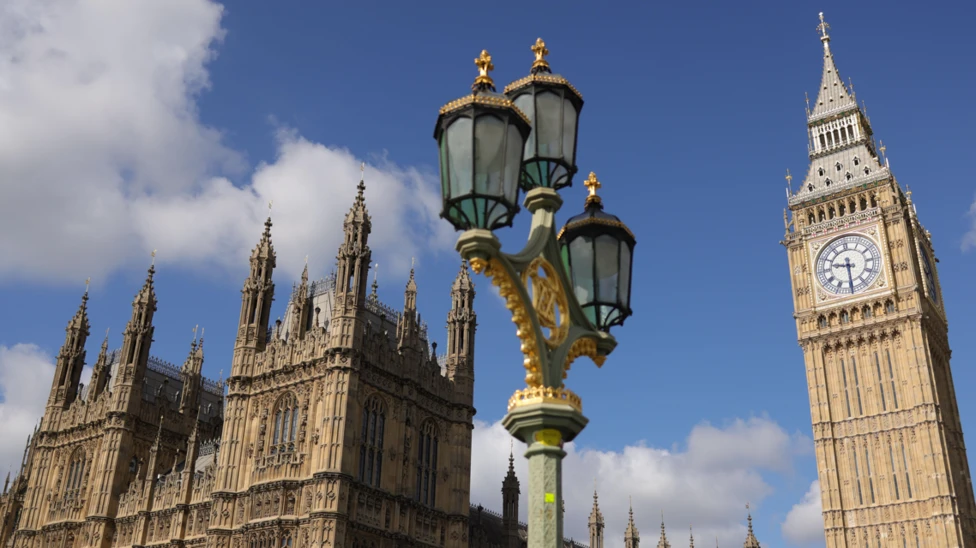
The Palace of Westminster, home to UK Parliament, is a UNESCO World Heritage site and an active workplace for thousands of people. Behind its historic façade, however, lies a building suffering from decaying stonework, outdated wiring and aging plumbing. Experts have repeatedly warned that without decisive action, the likelihood of a serious incident continues to grow.
Warnings from inside the system
Few voices have been as blunt as that of Michael Dobbs, better known as Lord Dobbs. He has described the building as being just waiting for some disaster, a phrase that captures the anxiety shared by many who work there daily. Fire risks, asbestos and water leaks are not hypothetical concerns but recurring issues managed through constant patchwork repairs.
These warnings have circulated for years, yet agreement on a solution has proved elusive. The central question remains whether MPs and peers should decant entirely, allowing faster and safer restoration, or attempt partial repairs while continuing to use the building.
The case for moving out
Supporters of a full temporary move argue that it is the only realistic way to complete the work efficiently. Emptying the building would allow engineers to replace critical systems comprehensively rather than in fragments. It would also reduce long term costs by shortening the overall timeline and avoiding repeated set ups and tear downs.
There is also a safety argument. Conducting major construction work in a building that remains occupied by lawmakers, staff and visitors increases risk and complexity. Proponents say a decisive move out would demonstrate responsibility and respect for both heritage and human safety.
Resistance and political hesitation
Despite the logic, resistance remains strong. Some MPs are uneasy about the optics of leaving such a symbolic building, worrying about public perception at a time of economic pressure. Others fear that a temporary relocation could become semi permanent, eroding the connection between Parliament and its historic home.
Cost is another sticking point. While experts argue that delaying action will ultimately cost more, the headline figures involved in restoration are politically sensitive. Reaching consensus requires MPs and peers to look beyond short term headlines and focus on long term stewardship.
Why 2026 matters
The coming year is seen by many as a tipping point. Years of studies, reports and consultations have narrowed the options, leaving fewer excuses for indecision. Maintenance costs continue to rise, and the risk profile of the building worsens with time.
If agreement is not reached soon, the danger is that Parliament will drift further into crisis management mode, reacting to failures rather than planning strategically. A serious incident could force action under far less controlled circumstances.
More than bricks and mortar
At its core, the debate is about more than repairing a building. It is about how Parliament sees its role as a custodian of national heritage and a functioning modern institution. The decision will signal whether lawmakers can take difficult, long term decisions in the national interest, even when they are inconvenient.
Whether 2026 becomes the year consensus is finally reached remains uncertain. What is clear is that time is running out. The condition of the Houses of Parliament leaves little room for further delay, and the cost of inaction may soon outweigh even the most difficult political compromises.