
Entertainment
The Year Angry Men Dominated Bollywood and What It Signals for India

A sharp turn back to familiar storytelling
For India’s film industry, 2025 marked a decisive shift in tone and priorities. Just a year earlier, women led narratives had reshaped global perceptions of Indian cinema, earning festival acclaim and expanding international audiences. In contrast, the past year saw Bollywood return to a more familiar formula. Violent, male driven action thrillers dominated box office charts and cultural conversations, reclaiming center stage in mainstream cinema.
This change was not subtle. The most commercially successful releases leaned heavily into aggression, nationalistic themes and hypermasculine protagonists. These films did more than entertain. They shaped public discourse, influenced social media debates and reflected broader anxieties within Indian society.
Dhurandhar and the power of one defining hit
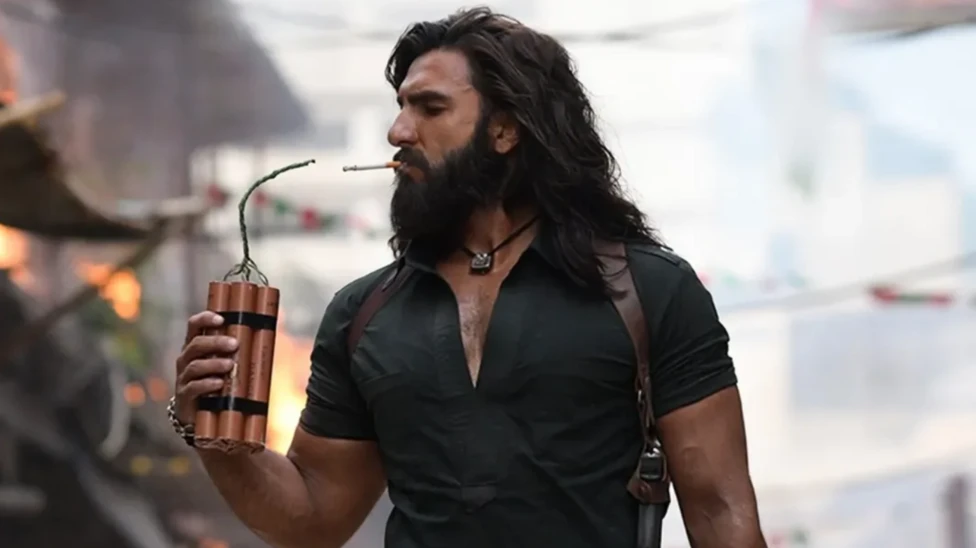
In the final weeks of 2025, Indian social media platforms became saturated with discussion around a single film. Dhurandhar, an espionage thriller set against the backdrop of India Pakistan tensions, emerged as the year’s defining juggernaut. Its success was immediate and overwhelming, drawing massive crowds and sustained online engagement.
The film’s appeal lay in its unapologetic intensity. Graphic violence, shadowy intelligence operations and gangland politics combined to create a cinematic experience that felt raw and confrontational. For many viewers, it captured a sense of national assertiveness. For critics, it raised concerns about the normalization of brutality and simplistic portrayals of power.
Hypermasculinity as cultural currency
Dhurandhar was not an isolated case. It was part of a broader wave of films centered on angry male protagonists who resolve conflict through force. These characters are often portrayed as lone figures standing against corruption, foreign threats or internal decay. Their emotional range is narrow, but their physical dominance is absolute.
Such portrayals resonate with audiences seeking certainty in uncertain times. Economic pressures, geopolitical tensions and social change have created a climate where strength and decisiveness are prized. Cinema, as a mass medium, reflects and reinforces these desires. The dominance of hypermasculine narratives suggests a collective appetite for control and clarity, even if achieved through violence.
The retreat of women led narratives
The success of aggressive action films has come at a cost. Women led stories, which briefly gained prominence and global recognition, struggled to secure similar visibility in 2025. While they did not disappear, they were largely overshadowed by big budget spectacles driven by male stars.
This shift raises questions about sustainability. The earlier surge in women centered cinema suggested an industry capable of evolving and diversifying. The return to familiar formulas may indicate risk aversion rather than creative exhaustion. Studios appear to be betting on proven models in a competitive market, even if it narrows the range of stories being told.
Social media amplification and identity politics
One reason these films gained such traction is their alignment with online discourse. Social media platforms amplified scenes, dialogues and symbols, turning them into memes and ideological touchstones. Fans and critics alike engaged in heated debates, often extending the films’ themes into discussions about national identity, masculinity and power.
This feedback loop between cinema and digital culture intensifies impact. Films are no longer consumed passively. They become rallying points that shape how audiences talk about politics and society, blurring the line between entertainment and ideology.
What this trend means for Indian cinema
The dominance of angry male narratives in 2025 signals a crossroads for Bollywood. On one hand, it demonstrates the industry’s ability to mobilize mass audiences and generate cultural moments. On the other, it risks narrowing creative horizons and sidelining voices that offer alternative perspectives.
Indian cinema has always evolved in cycles, responding to social moods and market forces. Whether the current phase represents a temporary swing or a longer term shift will depend on how filmmakers and audiences respond in the coming years.
Beyond the box office
Ultimately, the question is not whether these films succeed financially, but what they leave behind. Cinema shapes imagination, especially in a country where movies reach across class and region. The stories that dominate screens influence how people see themselves and their society.
The year angry men ruled Bollywood reveals as much about India’s present anxieties as it does about its entertainment industry. Whether the future brings balance or deeper polarization remains an open and urgent question.



