Business
Inside the French University Where Future Spies Are Trained

A classroom unlike any other
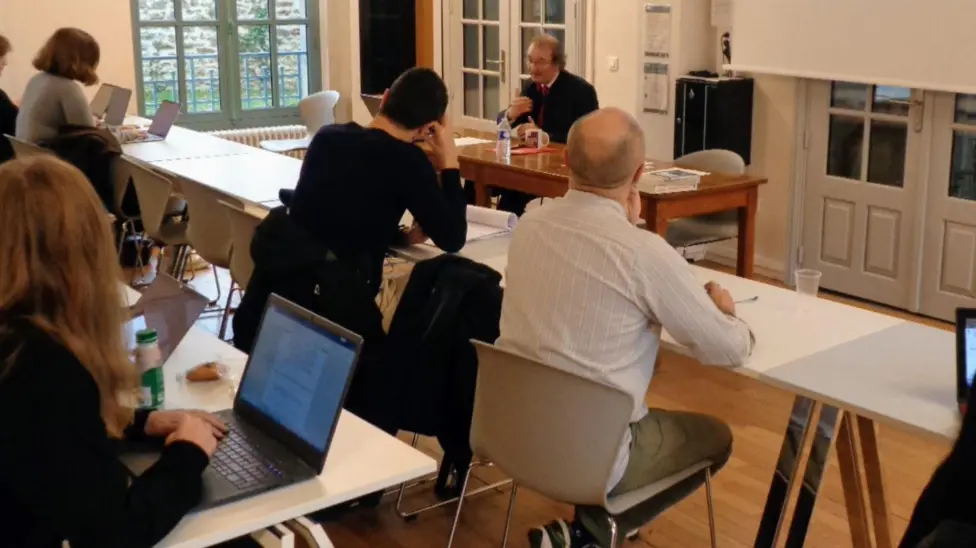
In most universities, professors begin the semester by learning their students’ names, backgrounds and academic goals. At one elite French institution, that simple routine does not apply. Professor Xavier Crettiez openly acknowledges that he often does not know who his students really are. The names they provide may not be real, and their pasts are deliberately obscured. This is not an administrative failure but a core feature of the program. Crettiez helps train France’s intelligence officers.
This unusual academic environment reflects the secrecy required in modern intelligence work. Students attend lectures, write papers and engage in debates like any other graduate cohort, yet their identities are carefully protected. The result is a space that blends higher education with national security in ways rarely seen outside government institutions.
Why spies study at a civilian university
France’s decision to train intelligence agents within a civilian academic setting is deliberate. Intelligence work today is not limited to covert operations. It increasingly involves political analysis, sociology, history, psychology and ethics. Universities provide exposure to critical thinking and debate that traditional intelligence academies often lack.
At the Sciences Po campus in Saint Germain on the outskirts of Paris, future intelligence officers study alongside scholars who analyze power, conflict and social movements. This setting forces them to confront ideas rather than follow orders. According to those familiar with the program, the goal is to produce agents who can interpret complex societies, not just gather information.
Teaching without knowing who is listening
For Professor Crettiez, teaching such students requires a careful balance. He focuses on themes like political violence, radicalization and state power, subjects that directly relate to intelligence work. Yet he avoids asking questions that could expose personal details. Discussions are framed around theory and case studies, allowing students to contribute without revealing operational experience.
Crettiez has said that he rarely knows an agent’s background when they are sent to the course. This anonymity protects both the students and the institution. It also creates a rare academic dynamic where ideas matter more than personal credentials, and authority comes from argument rather than rank.
Secrecy in an open academic culture
Combining secrecy with university life presents challenges. Universities are built on openness, transparency and intellectual exchange. Intelligence agencies operate on confidentiality and compartmentalization. Bringing the two together requires strict rules and mutual trust.
Students enrolled in the program are expected to respect academic standards while maintaining operational discretion. Professors agree to limits on what they can ask or publish. The university, in turn, accepts that parts of its activity will remain invisible to the public. This arrangement reflects a broader shift in how democratic states prepare intelligence professionals.
What this model says about modern intelligence
The existence of such programs highlights how intelligence work has evolved. Spies are no longer trained solely in isolated facilities. They are educated in environments that mirror the societies they study. Understanding politics, culture and public debate has become as important as technical skills.
France’s approach suggests that future intelligence officers must think like analysts and scholars as much as operatives. Whether this model will spread to other countries remains uncertain. What is clear is that the boundary between academia and intelligence is becoming more porous, reshaping both worlds in the process.