News
Protests and US Pressure Leave Iran Facing Its Most Fragile Moment in Years

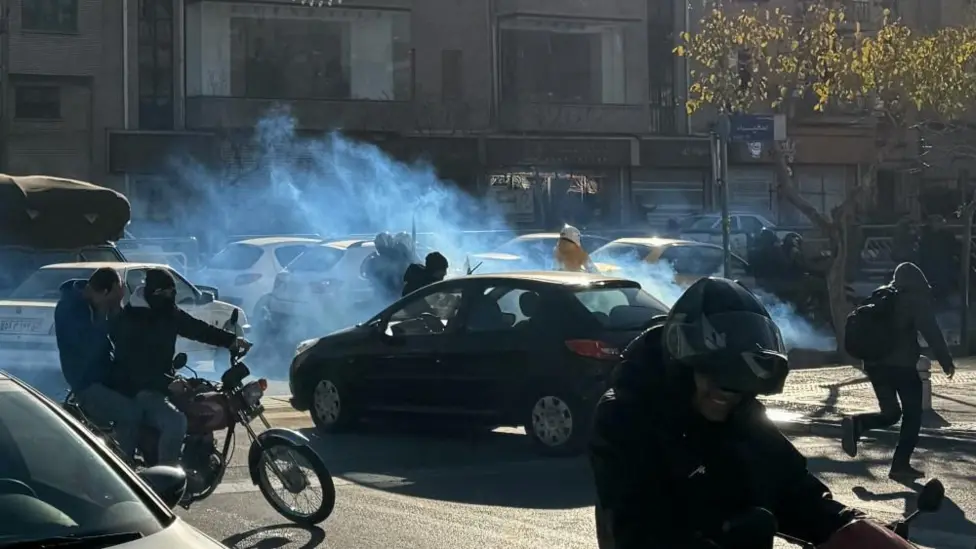
Iran is no stranger to waves of street protests, but the current unrest is unfolding under conditions that many analysts describe as unusually dangerous for the country’s leadership. Now entering its ninth day, the demonstrations have exposed economic frustration, political anger and deep social fatigue at a time when Iran is facing intense external pressure and limited room to manoeuvre.
What has set this episode apart is the speed and intensity of the international response. Just days after protests began, US President Donald Trump issued a direct public warning to Iran’s leaders over the treatment of demonstrators, declaring that the United States was “locked and loaded”. Such language, delivered while unrest is still active on the streets, is highly unusual in modern diplomacy and has raised fears of escalation.
The pressure increased further after a US special forces operation targeting Nicolás Maduro in Venezuela. That action was followed by a second warning from Trump, reinforcing the message that Washington is prepared to act decisively against governments it views as illegitimate or abusive. For Iranian officials, the sequence of events has been deeply unsettling, suggesting a more aggressive US posture at a moment of internal vulnerability.
Analysts say these developments could embolden protesters inside Iran. Demonstrators often draw strength from the perception that the ruling establishment is losing control or international legitimacy. Direct threats from a sitting US president may reinforce the belief among protesters that the authorities are under unprecedented pressure, potentially encouraging wider participation and prolonging unrest.
At the same time, the Iranian government faces serious constraints. Years of sanctions have weakened the economy, inflation remains high and living standards have eroded. The state’s ability to buy social calm through subsidies or public spending is far more limited than during previous protest cycles. Security forces remain powerful, but repeated crackdowns over the years have also fuelled resentment and mistrust.
The leadership in Tehran must also consider the regional and global context. Iran is already managing tensions related to its nuclear programme, regional rivalries and strained relations with the West. Escalating violence against protesters could invite further sanctions or international isolation, while restraint risks being interpreted as weakness. This narrow path leaves little margin for error.
US intervention, even rhetorical, carries risks of its own. While Washington may see public warnings as a way to deter repression, they can also strengthen hardline narratives within Iran that portray protests as foreign inspired. This framing has historically been used to justify tougher security responses and silence internal dissent. Whether the current leadership leans toward caution or confrontation remains unclear.
What is clear is that the timing is critical. The longer demonstrations continue, the more difficult they become to contain without significant political or economic concessions. Unlike short lived protests driven by a single trigger, the current unrest appears rooted in broad dissatisfaction that cuts across social groups and regions.
As Iran enters a second week of demonstrations under the glare of international scrutiny, the situation is finely balanced. External pressure from the United States has added a volatile new dimension to an already tense domestic crisis. Whether this accelerates change or provokes a harsher response will shape not only Iran’s immediate future but also the stability of the wider region.