News
Trump Issues Stark Warning to Venezuela’s New Leader as Maduro Heads to US Court

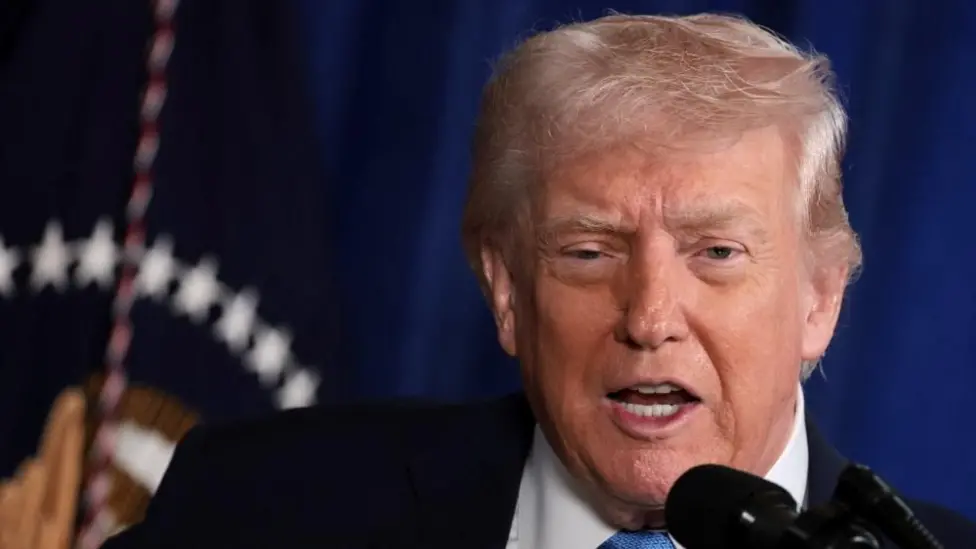
US President Donald Trump has issued a sharp warning to Venezuela’s new leader Delcy Rodríguez, saying she could face consequences even more severe than those imposed on her predecessor if she fails to cooperate with Washington’s demands. The comments underscore the confrontational tone the United States is adopting as Venezuela enters a highly uncertain political phase.
Speaking in an interview with the US magazine The Atlantic, Trump said Rodríguez would “pay a very big price, probably bigger than Maduro” if she did not, in his words, do what is right. While he did not spell out specific actions he expects from her government, his remarks were widely interpreted as a warning against resistance to US oversight and policy direction following the dramatic removal of Venezuela’s former leadership.
Trump’s comments came as Venezuela’s deposed president Nicolás Maduro was due to appear in a federal court in New York on Monday. Maduro faces a range of US charges including narcotics trafficking related offences, accusations he has long denied. His court appearance marks a rare and unprecedented moment in which a former head of state is brought before a US court under such circumstances.
For Washington, the transition in Caracas represents both an opportunity and a risk. Trump has framed the situation as a chance to restore order, combat organised crime and secure Venezuela’s vast oil resources under what he has described as temporary US stewardship. Critics, however, argue that the rhetoric directed at Rodríguez signals an aggressive approach that leaves little room for genuine Venezuelan sovereignty or independent decision making.
Rodríguez, who has served in several senior roles within Venezuela’s political system, has not publicly responded to Trump’s warning. Analysts say her immediate challenge will be to stabilise governance while navigating intense external pressure. Any move perceived as defiance could provoke further sanctions or political retaliation, while full compliance risks domestic backlash from Venezuelans wary of foreign control.
International reaction to Trump’s remarks has been mixed. Some US allies have expressed concern about the language used, warning that explicit threats against a sitting leader could inflame tensions and complicate diplomatic efforts. Others see the warning as consistent with Washington’s long standing hard line stance on Venezuela and its emphasis on deterrence.
Within Venezuela, the situation remains volatile. Maduro’s removal and transfer to the United States has shocked supporters and opponents alike, raising questions about legitimacy, succession and the future direction of the country. While some opposition figures hope the transition could open the door to economic recovery and international re engagement, others fear prolonged instability.
The warning to Rodríguez also reflects a broader message from Trump’s administration that it intends to assert firm control over developments in the Western Hemisphere. By drawing a direct comparison between Rodríguez and Maduro, Trump is signalling that Washington’s patience is limited and that outcomes will be judged primarily on alignment with US expectations.
As Maduro’s legal case begins in New York and Venezuela’s new leadership seeks its footing, the coming weeks are likely to be decisive. Whether Trump’s threats translate into concrete policy actions, or whether space emerges for negotiation, will shape not only Venezuela’s future but also the wider regional balance of power.