Business
Next Considers Cut Price Takeover of Struggling Fashion Brand LK Bennett

Retail consolidation gathers pace in UK fashion sector
UK fashion retailer Next is among several parties considering a potential acquisition of struggling womenswear brand LK Bennett, according to reports. The move would represent another example of consolidation in Britain’s retail sector as stronger players look to acquire distressed but recognisable brands at reduced valuations.
Sources familiar with the matter said discussions are at an early stage and no formal offer has been made. However, interest from a FTSE 100 retailer highlights the perceived residual value in LK Bennett’s brand, despite mounting financial pressure.
LK Bennett faces mounting financial strain
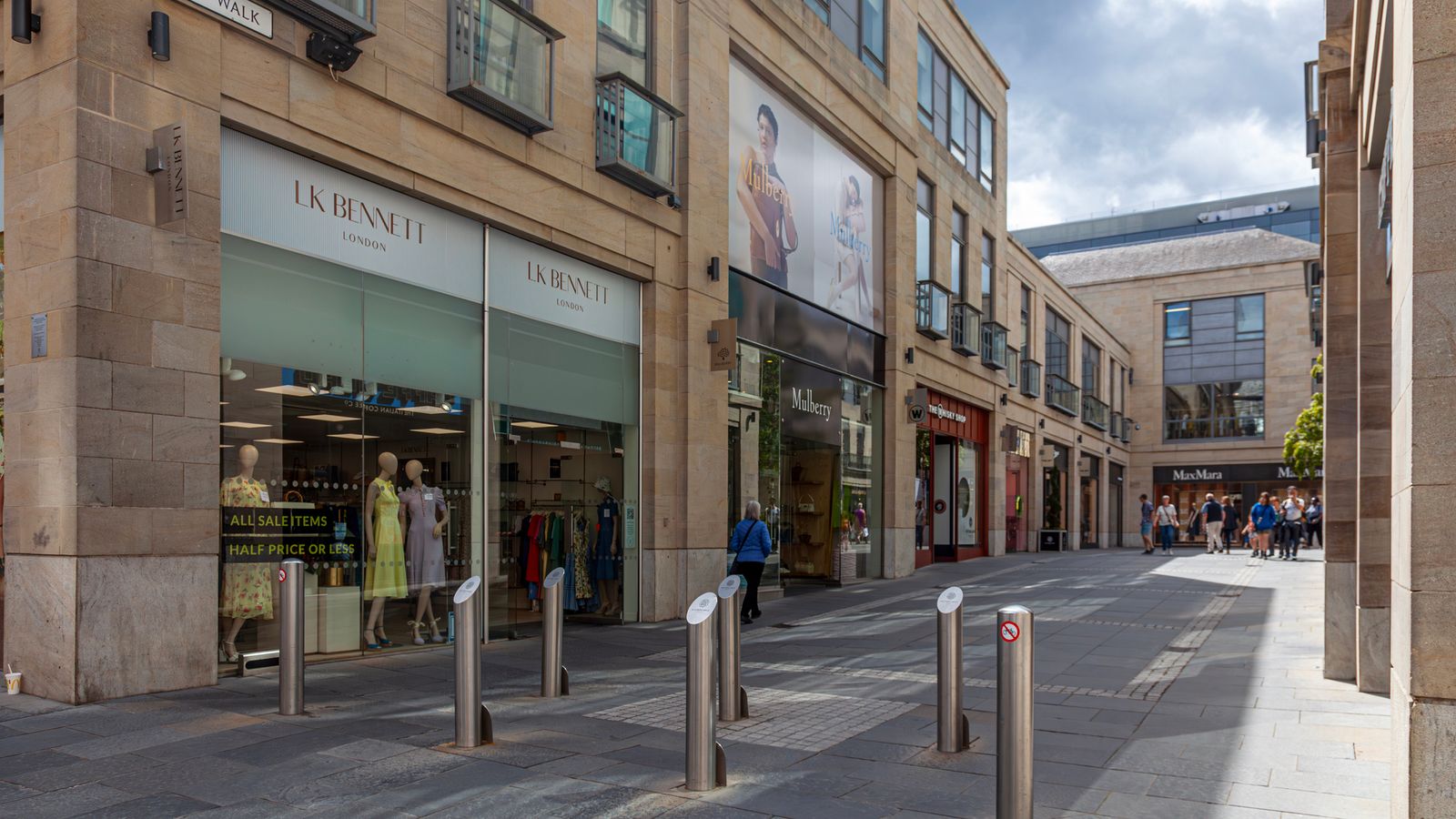
LK Bennett, long associated with polished workwear and occasion fashion, has faced a prolonged period of commercial difficulty. Rising costs, shifting consumer habits, and weaker demand for formal office attire have eroded sales and strained cash flow.
The company has already undergone restructuring efforts in recent years, including store closures and ownership changes. Despite these measures, it is understood to be teetering on the brink of collapse, prompting interest from potential buyers seeking a turnaround opportunity.
The brand is particularly well known for its association with the Catherine Princess of Wales, who has frequently worn LK Bennett designs at public engagements, lending it high profile visibility.
Why Next may be interested
Next has built a reputation for disciplined financial management and an ability to integrate acquired brands into its broader online and logistics platform. In recent years, it has taken minority stakes or operational control in several struggling retailers, often focusing on digital distribution rather than maintaining extensive physical store networks.
Analysts say LK Bennett’s established customer base and premium positioning could complement Next’s existing brand portfolio. By leveraging its supply chain efficiency and online reach, Next could potentially stabilise the business at a lower cost base.
Any deal would likely involve acquiring the brand and intellectual property rather than committing to a large number of stores, reflecting wider trends in UK fashion retail.
Wider pressures across the fashion industry
The potential swoop comes amid sustained pressure across the UK fashion sector. Inflation has squeezed household budgets, making consumers more price sensitive, while rent, wages, and energy costs have risen sharply for retailers.
Mid market and premium brands have been particularly exposed, caught between fast fashion operators offering lower prices and luxury labels targeting wealthier consumers. As a result, several well known names have entered administration or sought buyers over the past two years.
Retail experts say distressed acquisitions have become an attractive way for stronger companies to expand without the costs associated with organic growth.
Market reaction and uncertainty ahead
While there has been no official confirmation from either company, reports of Next’s interest have drawn attention from investors and industry observers. Any transaction would be subject to due diligence and negotiations with creditors, and there is no guarantee a deal will proceed.
If noting interest develops into a formal bid, regulators and suppliers will closely watch how existing obligations are handled, particularly regarding staff and outstanding liabilities.
For LK Bennett, a sale could offer a lifeline that preserves the brand, even if its future form differs significantly from its past.
What this signals for UK retail
The situation illustrates how legacy fashion brands are increasingly reliant on partnerships or takeovers to survive in a transformed retail environment. Scale, logistics, and digital capability now matter as much as design identity.
For Next, another acquisition would reinforce its role as a consolidator within UK retail, using financial strength and operational efficiency to absorb weaker competitors.
For the wider industry, the possible deal underlines a stark reality. Survival is increasingly tied to adaptability, and even iconic names are not immune to market forces reshaping how Britons shop.