Business
US Slashes Proposed Tariffs on Italian Pasta Imports

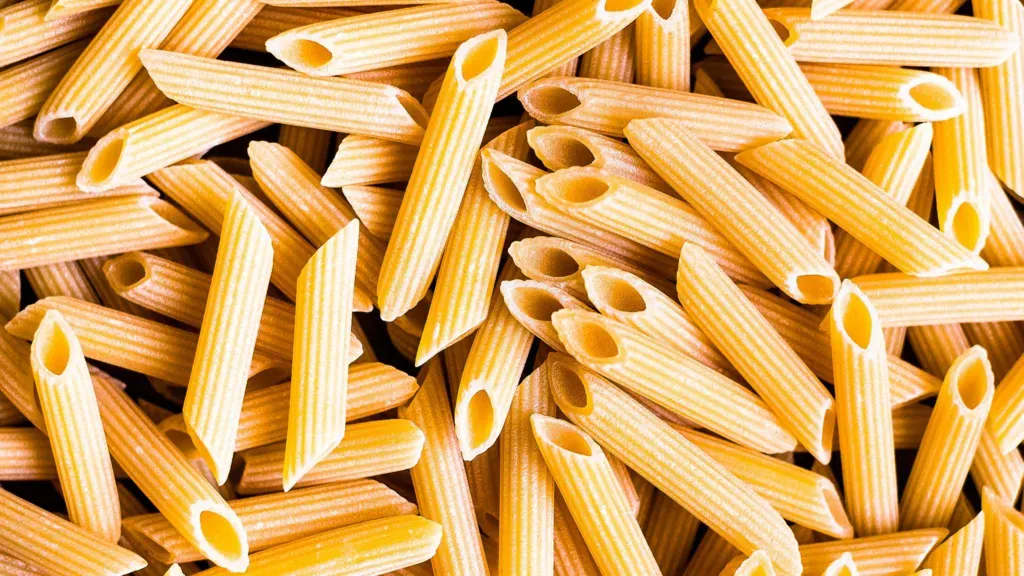
Italian pasta is set to avoid steep US tariffs after American authorities significantly reduced duties that had been threatened against a group of Italian producers. The decision eases fears of sharp price rises for US consumers and signals a partial thaw in a trade dispute that had raised tensions between Washington and Rome.
The proposed tariffs, initially aimed at 13 Italian pasta makers, had alarmed both producers and importers. At their highest proposed level, the duties could have exceeded the value of the pasta itself, making imports commercially unviable. Industry groups warned that such a move would have disrupted supply chains and driven up prices for American households, where Italian pasta remains a staple.
On Thursday, Italy’s foreign ministry confirmed that the proposed tariff rate had been drastically cut back following discussions with US authorities. The move was welcomed in Rome, where officials had been lobbying against what they described as disproportionate and damaging measures. The revised decision is expected to spare Italian exporters from the most severe financial impact while allowing US importers to continue sourcing products without prohibitive costs.
The tariffs were originally proposed under allegations that Italian producers were selling pasta in the US market at unfairly low prices, a practice known as dumping. US officials had argued that this pricing harmed domestic manufacturers and justified duties of almost 92 percent. Such a rate would have effectively shut Italian pasta out of the US market, according to trade analysts.
In its own statement, the US government said the 13 firms had addressed many of its concerns. While details of the concessions were not made public, the acknowledgement suggests that the companies provided additional data or adjusted practices to demonstrate compliance with trade rules. As a result, officials concluded that the originally proposed tariff level was no longer warranted.
For Italian producers, the decision offers relief but not complete certainty. Even reduced tariffs can still affect competitiveness, particularly in a market as price sensitive as food retail. Pasta producers operate on relatively thin margins, and any increase in costs risks being passed on to consumers or absorbed by companies already facing rising energy and transport expenses.
US importers and retailers have also welcomed the scaling back of the measures. Many warned that the original proposal would have limited choice on supermarket shelves and undermined the popularity of Italian brands. Some companies had begun exploring alternative suppliers in anticipation of higher costs, a process that can take time and disrupt established supply relationships.
The episode reflects broader tensions in global trade policy, particularly in sectors where food, national identity, and domestic industry intersect. Pasta is not only an export product for Italy but also a cultural symbol, making the dispute politically sensitive. Italian officials have stressed that their producers operate within international trade rules and that cooperation, rather than confrontation, is the best way forward.
For US consumers, the decision reduces the likelihood of sudden price spikes on imported pasta products. While some cost pressures remain due to inflation and logistics challenges, the threat of extreme tariff driven increases has largely been removed. Analysts say this outcome highlights how trade negotiations can still deliver compromises even amid a more protectionist global environment.
Although the immediate crisis has eased, the case may influence future trade disputes involving agricultural and food products. Both sides are likely to remain cautious, aware that unresolved issues could resurface. For now, however, Italian pasta will continue to reach American kitchens without the burden of punitive tariffs that once loomed large.