Business
China’s BYD Overtakes Tesla as World’s Top EV Seller

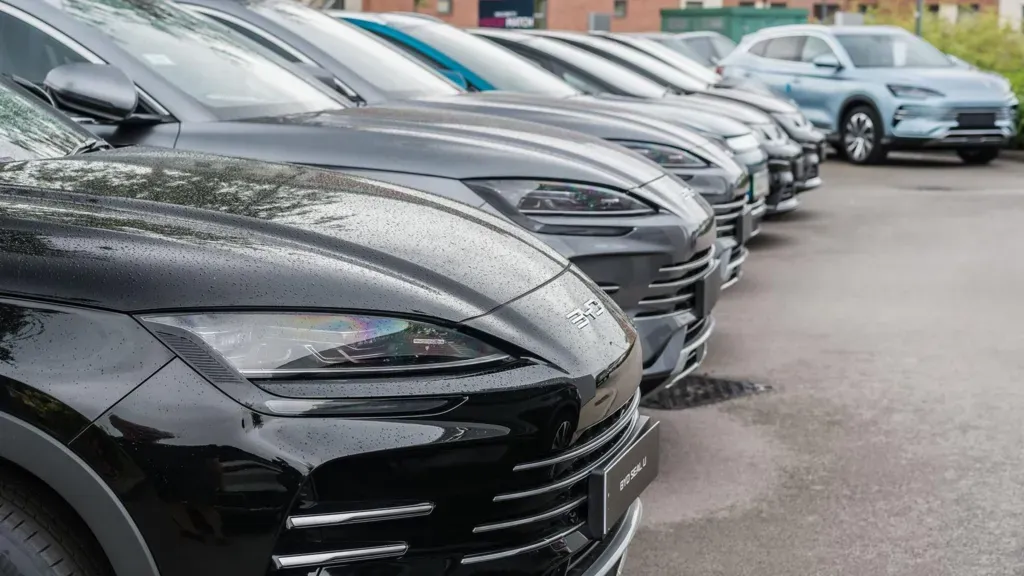
China’s electric vehicle giant BYD has overtaken Tesla to become the world’s biggest seller of electric cars, marking a significant shift in the global EV landscape. The milestone reflects changing consumer demand, intensifying competition, and the growing dominance of Chinese manufacturers in the clean energy transition.
A turning point in global EV sales
BYD confirmed that its sales of battery powered electric vehicles rose by nearly 28 percent in 2025, reaching more than 2.25 million units worldwide. The figures place it ahead of Tesla, which reported global sales of 1.64 million vehicles, a drop of almost nine percent compared with the previous year. This was Tesla’s second consecutive annual decline in deliveries, highlighting mounting challenges for the US carmaker.
The result represents the first time BYD has surpassed Tesla in annual EV sales, a symbolic moment for an industry long associated with Elon Musk’s company as its undisputed global leader. Analysts say the shift underscores how quickly the competitive balance in the EV market is changing.
Tesla faces a difficult year
Tesla’s weaker performance in 2025 followed a period of uncertainty and mixed reactions to its latest vehicle updates. While the company remains one of the most recognisable brands in electric mobility, its product line has been criticised by some consumers and analysts for lacking major refreshes at a time when rivals are rapidly expanding their offerings.
In addition to product concerns, Tesla has faced unease among some investors and customers over Elon Musk’s political activities and public controversies. While Musk remains central to Tesla’s identity, critics argue that distractions at the top have coincided with a slowdown in innovation and a more cautious consumer response in key markets.
Competition has also intensified sharply. Traditional carmakers and new entrants alike have accelerated their EV strategies, squeezing Tesla’s market share in regions where it once enjoyed a clear lead. Price cuts introduced to stimulate demand have helped maintain volume in some markets but have weighed on margins and failed to reverse the overall decline in sales.
BYD’s rise powered by scale and strategy
BYD’s success is rooted in its scale, cost control, and vertically integrated business model. Unlike many rivals, the company manufactures its own batteries, giving it greater control over supply chains and pricing. This advantage has allowed BYD to offer a wide range of vehicles at competitive prices, appealing to both mass market buyers and more premium customers.
The Chinese company has also benefited from strong domestic demand, supported by China’s extensive EV infrastructure and long term policy backing for electric mobility. At the same time, BYD has expanded aggressively overseas, increasing its presence in Europe, Southeast Asia, and Latin America.
Industry observers note that BYD’s ability to adapt models quickly to local markets has helped it gain traction beyond China. Its expanding global footprint suggests that its lead over Tesla may not be temporary, especially if current trends continue.
What this means for the EV industry
BYD overtaking Tesla is more than a headline moment. It signals a broader shift in the global EV market, where Chinese manufacturers are playing an increasingly central role. Their focus on affordability, rapid innovation, and large scale production is reshaping competition and putting pressure on established players.
For Tesla, the challenge now is to regain momentum through new models, technological breakthroughs, or refreshed strategies that reignite demand. The company remains highly influential, but its position as the clear global leader is no longer assured.
As governments worldwide push for faster adoption of electric vehicles, competition is expected to intensify further. The race is no longer just about innovation, but also about cost, scale, and the ability to serve diverse markets. BYD’s rise to the top illustrates how quickly leadership can change in an industry still very much in flux.