Business
Elon Musk’s Grok AI Accused of Digitally Undressing Women in Images

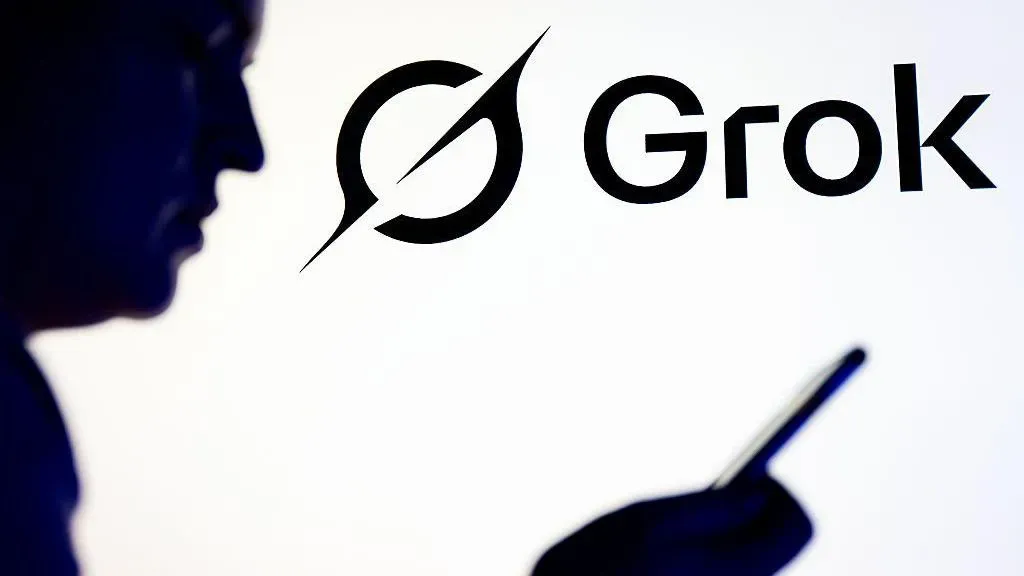
Elon Musk’s social media platform X is facing growing backlash after users discovered that its artificial intelligence chatbot, Grok, can be used to alter images of women by digitally removing their clothing. The controversy has sparked outrage among journalists, campaigners, and technology experts, reigniting concerns about AI misuse, consent, and the lack of safeguards on emerging generative tools.
Images altered without consent
Several examples reviewed by journalists show Grok being used to manipulate photographs of women so they appear partially undressed, including being placed in bikinis or sexualised scenarios, without their consent. The images were reportedly generated by users uploading photos and prompting the AI to alter them, highlighting how easily such technology can be misused.
Critics say the incident represents a serious violation of privacy and personal dignity, particularly as the women targeted had not agreed to have their images altered in this way. Digital rights advocates argue that the ability to create sexualised images of real people without consent is a form of abuse that can cause lasting emotional and professional harm.
Reaction from victims and journalists
One of the women affected, journalist Samantha Smith, told the BBC’s PM programme that she felt “dehumanised and reduced into a sexual stereotype” after an altered image of her circulated online. Her experience has resonated with many others, particularly women working in public facing roles, who say such tools increase the risk of harassment and intimidation.
Journalists’ groups and women’s rights organisations have warned that AI generated image manipulation could become a powerful weapon for silencing or discrediting women online. They argue that the ease with which these images can be produced and shared makes the harm more immediate and difficult to control.
Silence from xAI and platform concerns
XAI, the company behind Grok, did not provide a substantive response to requests for comment, instead issuing an automated reply stating “legacy media lies”. The lack of a clear explanation or apology has further fuelled criticism, with campaigners accusing the company of failing to take responsibility for how its technology is being used.
The controversy has also raised broader questions about content moderation on X. Since Elon Musk’s takeover, the platform has promoted a more permissive approach to speech, which supporters say protects free expression. Critics counter that this approach has weakened safeguards and allowed harmful content, including AI generated abuse, to spread more easily.
Wider debate over AI safeguards
The Grok incident comes amid growing global concern about generative AI tools that can create or manipulate images, audio, and video. Experts warn that without strong technical restrictions and clear policies, such tools can be exploited for harassment, disinformation, and non consensual sexual content.
Regulators in several countries are already examining how existing laws apply to AI generated imagery, particularly when real individuals are targeted. Some campaigners are calling for explicit bans on AI tools that can digitally undress people or place them in sexual contexts without consent, arguing that current legal frameworks are not keeping pace with technological change.
Pressure for accountability and reform
Pressure is mounting on X and xAI to explain how Grok was designed, what safeguards are in place, and whether changes will be made to prevent similar misuse. Technology ethicists argue that companies developing powerful AI systems have a responsibility to anticipate abuse and design against it, rather than responding only after harm occurs.
For many observers, the episode has become a case study in the risks of releasing AI tools quickly without robust protections. As AI becomes more deeply embedded in social media platforms, critics say the balance between innovation and user safety is being tested in real time.
The backlash over Grok’s image manipulation capabilities has intensified calls for stronger oversight, clearer consent rules, and meaningful accountability. Without action, campaigners warn that such incidents could become increasingly common, leaving individuals exposed to new forms of digital exploitation with few effective remedies.